
The difference between U-shaped light steel keel and T-shaped light steel keel
2024-06-04
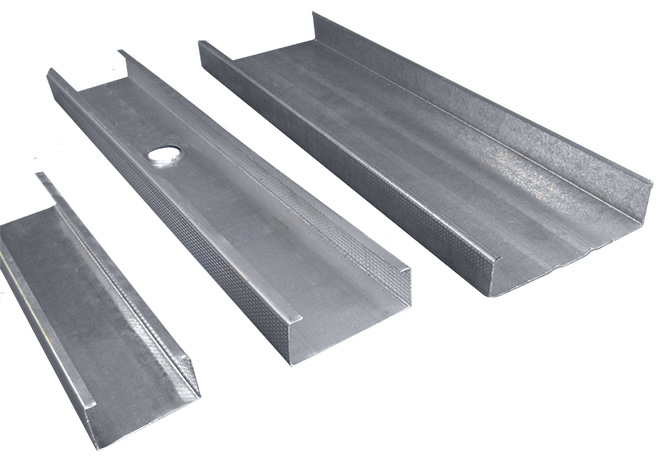
In the modern construction and decoration industry, light steel keel is favored by the industry for its excellent performance and wide application range. Among them, U-shaped light steel keel and T-shaped light steel keel are two common types of light steel keel, each with unique characteristics and applicable scenarios. This article will explore in detail the differences between U-shaped light steel keel and T-shaped light steel keel, helping readers better understand their performance and choose applications.
Firstly, structurally speaking, U-shaped light steel keel and T-shaped light steel keel exhibit different shapes in cross-section. The cross-section of U-shaped light steel keel is U-shaped, which makes it have better support performance and suitable for situations that require strong support. The cross-section of the T-shaped light steel keel is T-shaped, which makes it perform well in load-bearing and suitable for situations that need to bear larger weights.
In terms of usage, there are also differences between U-shaped light steel keel and T-shaped light steel keel. U-shaped light steel keel, due to its superior support performance, is commonly used in suspended ceilings and partition systems, especially in scenarios such as paper-based gypsum board suspended ceilings, where U-shaped light steel keel plays an important supporting role. T-shaped light steel keel, due to its excellent load-bearing performance, is commonly used in suspended ceilings and partition systems that need to bear large weights, such as mineral wool board suspended ceilings.
In terms of performance, both types of light steel keel have excellent performance characteristics. Firstly, they are all made of hot-dip galvanized steel strips, which have good anti-corrosion performance and can maintain stable performance for a long time in humid environments. In addition, they all have high strength and stiffness, and can withstand large external forces without deformation. At the same time, light steel keel also has excellent fire resistance performance, which can maintain a certain degree of stability in a fire and provide security for building safety.
In addition to the basic performance mentioned above, there are also some differences in installation and use between U-shaped light steel keel and T-shaped light steel keel. Due to the structural characteristics of U-shaped light steel keel, it is more suitable for installation using assembly method, which can effectively improve installation efficiency and shorten the construction period. Due to its strong load-bearing performance, T-shaped light steel keel needs to pay more attention to the selection of fixing methods and connectors during installation to ensure its stability and safety.
In addition, there is a certain difference in price between U-shaped light steel keel and T-shaped light steel keel. Due to the excellent performance of T-shaped light steel keel in load-bearing performance, bending resistance, etc., its price is usually slightly higher than that of U-shaped light steel keel. However, this does not necessarily mean that T-shaped light steel keel is better than U-shaped light steel keel. The choice of which type of light steel keel should be determined based on specific usage scenarios and needs.
In summary, there are certain differences between U-shaped light steel keel and T-shaped light steel keel in terms of structure, use, performance, installation, and price. When choosing to use, comprehensive consideration should be given to specific needs and scenarios to fully leverage their respective advantages. Meanwhile, in order to ensure the safety and stability of the building, it is recommended to follow relevant building codes and standards when selecting and using light steel keel, to ensure that the construction quality and safety performance meet the requirements.
Firstly, structurally speaking, U-shaped light steel keel and T-shaped light steel keel exhibit different shapes in cross-section. The cross-section of U-shaped light steel keel is U-shaped, which makes it have better support performance and suitable for situations that require strong support. The cross-section of the T-shaped light steel keel is T-shaped, which makes it perform well in load-bearing and suitable for situations that need to bear larger weights.
In terms of usage, there are also differences between U-shaped light steel keel and T-shaped light steel keel. U-shaped light steel keel, due to its superior support performance, is commonly used in suspended ceilings and partition systems, especially in scenarios such as paper-based gypsum board suspended ceilings, where U-shaped light steel keel plays an important supporting role. T-shaped light steel keel, due to its excellent load-bearing performance, is commonly used in suspended ceilings and partition systems that need to bear large weights, such as mineral wool board suspended ceilings.
In terms of performance, both types of light steel keel have excellent performance characteristics. Firstly, they are all made of hot-dip galvanized steel strips, which have good anti-corrosion performance and can maintain stable performance for a long time in humid environments. In addition, they all have high strength and stiffness, and can withstand large external forces without deformation. At the same time, light steel keel also has excellent fire resistance performance, which can maintain a certain degree of stability in a fire and provide security for building safety.
In addition to the basic performance mentioned above, there are also some differences in installation and use between U-shaped light steel keel and T-shaped light steel keel. Due to the structural characteristics of U-shaped light steel keel, it is more suitable for installation using assembly method, which can effectively improve installation efficiency and shorten the construction period. Due to its strong load-bearing performance, T-shaped light steel keel needs to pay more attention to the selection of fixing methods and connectors during installation to ensure its stability and safety.
In addition, there is a certain difference in price between U-shaped light steel keel and T-shaped light steel keel. Due to the excellent performance of T-shaped light steel keel in load-bearing performance, bending resistance, etc., its price is usually slightly higher than that of U-shaped light steel keel. However, this does not necessarily mean that T-shaped light steel keel is better than U-shaped light steel keel. The choice of which type of light steel keel should be determined based on specific usage scenarios and needs.
In summary, there are certain differences between U-shaped light steel keel and T-shaped light steel keel in terms of structure, use, performance, installation, and price. When choosing to use, comprehensive consideration should be given to specific needs and scenarios to fully leverage their respective advantages. Meanwhile, in order to ensure the safety and stability of the building, it is recommended to follow relevant building codes and standards when selecting and using light steel keel, to ensure that the construction quality and safety performance meet the requirements.
What are the characteristics of Z-shaped light steel keel?
What material is commonly used to make Australian light steel keel?
Related Article

Ceiling wall angle, also known as perimeter angle or L-angle, is an indispensable L-shaped metal profile for suspended drywall ceiling systems. Roll-formed from cold-rolled galvanized steel, ceiling wall angle is fixed along the wall perimeter to support the ends of main channels and furring channels,
Ceiling Wall Angle – Galvanized L-Shaped Perimeter Trim for Suspended Drywall Ceilings
Galvanized steel profiles are the foundational metal framing components widely used in modern interior construction. Roll-formed from cold-rolled steel coated with protective zinc layer, galvanized steel profiles cover a full range of shapes including C studs, U tracks, omega channels,
Galvanized Steel Profiles – Reliable Cold Rolled Framing for Drywall Walls and Ceilings

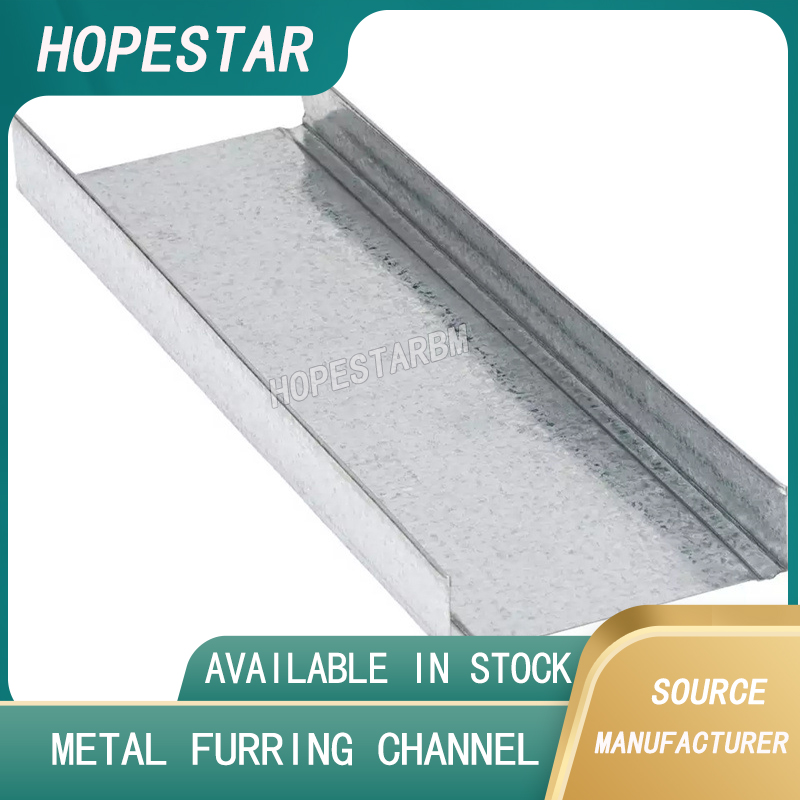
Metal furring channel for ceiling is a vital secondary framing component widely used in suspended ceiling and drywall ceiling systems. Roll-formed from cold-rolled galvanized steel, this lightweight metal profile works together with main channels, hangers and wall angles to create a level,
Metal Furring Channel for Ceiling – Galvanized Secondary Framing for Suspended Drywall Ceilings

Metal omega channel, also widely called omega furring channel or hat channel, is an indispensable secondary metal framing profile for modern suspended ceilings and drywall wall furring systems. Named after its distinctive Ω shape, this profile is roll-formed from cold-rolled galvanized steel
Metal Omega Channel – Galvanized Omega Furring Channel for Drywall Ceiling and Wall Framing