The Difference Between Paper-Faced and Metal Corner Beads
In modern drywall construction, corner protection plays an important role in both durability and appearance. Among the most commonly used products are paper-faced corner beads and traditional metal corner beads. Although both are designed to protect drywall corners and create smooth finishes, they have significant differences in material, installation method, strength, and application. Understanding the difference between paper-faced and metal corner beads can help contractors, builders, and homeowners choose the right product for their projects.
What Are Paper-Faced Corner Beads?
Paper-faced corner beads combine a metal or composite core with a paper covering on both sides. They are installed using joint compound rather than nails or screws. This type of corner bead is popular in residential drywall finishing because it creates a smooth and seamless appearance.
One major advantage of paper-faced corner beads is their crack resistance. Since the paper surface bonds tightly with drywall compound, it reduces the chance of edge cracking over time. They are also easier to blend into the wall surface, resulting in cleaner inside and outside corners.
Paper-faced corner beads are often preferred for high-end interior finishing projects where appearance is especially important.
What Are Metal Corner Beads?
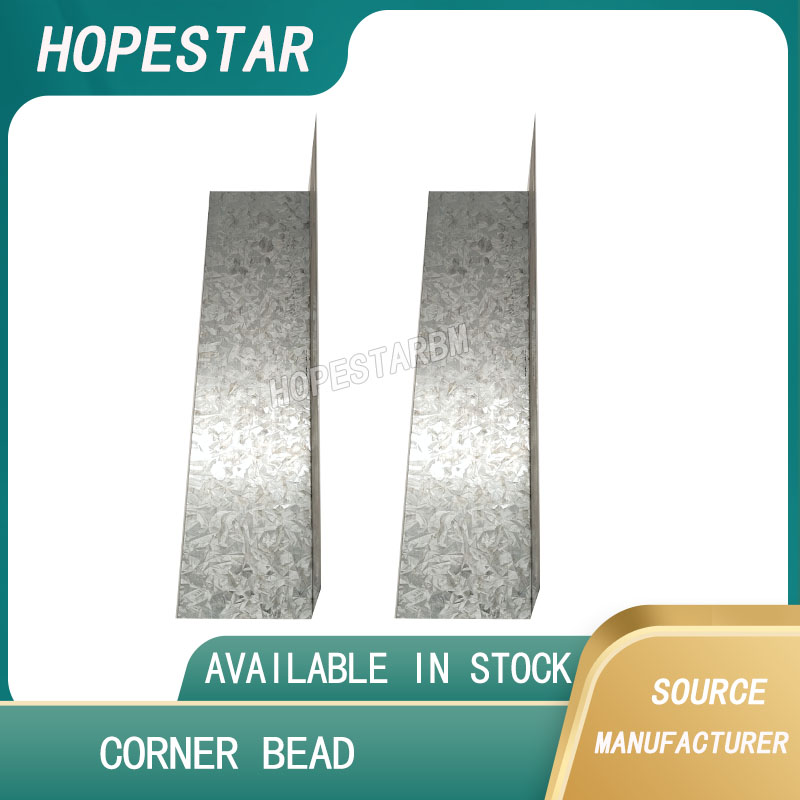
Metal corner beads are traditional drywall accessories made from galvanized steel or aluminum. They are widely used in commercial and residential construction because of their strength and impact resistance.
Metal corner beads are usually attached with nails, screws, or staples. Once installed, joint compound is applied over the surface to create a smooth finish. These corner beads provide strong protection against dents, scratches, and daily wear, making them ideal for high-traffic areas such as offices, schools, hospitals, and commercial buildings.
Galvanized metal corner beads are especially popular because they resist rust and corrosion, ensuring long-lasting performance.
Key Differences Between Paper-Faced and Metal Corner Beads
1. Installation Method
Paper-faced corner beads use drywall compound for installation, while metal corner beads are mechanically fastened with screws, nails, or staples. Paper-faced products may require more drying time, but they create smoother transitions.
2. Durability
Metal corner beads generally offer better impact resistance and are more suitable for areas exposed to heavy use. Paper-faced corner beads are durable as well, but they are typically chosen for appearance rather than maximum strength.
3. Finish Quality
Paper-faced corner beads provide a cleaner and more seamless finish because the paper blends naturally with drywall tape and compound. Metal corner beads can sometimes show slight edges if not properly finished.
4. Application Areas
Paper-faced corner beads are commonly used in residential interiors and decorative projects. Metal corner beads are widely used in commercial spaces, industrial buildings, and locations requiring extra corner protection.
Which Corner Bead Is Better?
The choice between paper-faced and metal corner beads depends on the project requirements. If you need superior strength and long-term durability, metal corner beads are an excellent option. If smooth appearance and crack resistance are the priority, paper-faced corner beads may be the better choice.
Both products play an essential role in drywall finishing, and selecting the right type can improve construction quality, reduce maintenance costs, and enhance the final appearance of interior walls.
Why Galvanized Steel Metal Corner Beads Are Popular Worldwide
What Is a Ceiling Steel Profile?Common Ceiling Steel Profile Specifications
Related Article