
The difference between galvanized light steel keel and ordinary keel
2024-08-09
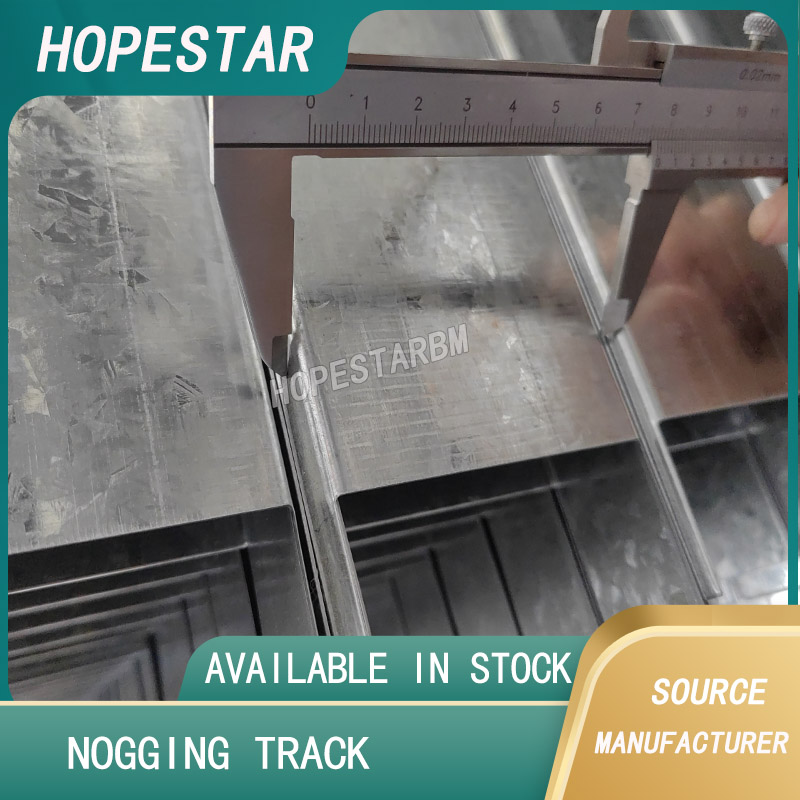
With the continuous advancement of technology and the increasing development of material science, galvanized light steel keel has gradually emerged, forming a sharp contrast with traditional ordinary keel with its unique advantages. This article will explore in depth the differences between galvanized light steel keel and ordinary keel from multiple dimensions such as material characteristics, corrosion resistance, construction convenience, load-bearing capacity, environmental friendliness, and cost-effectiveness
Galvanized light steel keel: Its main material is lightweight steel, and the surface has been hot-dip galvanized. This treatment process not only enhances the hardness and toughness of the steel, but also forms a dense zinc layer protective film on its surface, effectively isolating the erosion of air, moisture, and chemical substances. Light steel keel has become the preferred material for modern buildings, especially indoor ceilings and partition systems, due to its lightweight, high strength, and easy processing and shaping characteristics.
Ordinary keel: usually refers to wooden keel or untreated metal keel. Although wooden keel has a lower cost, it is easily affected by humidity and temperature changes, prone to deformation and cracking, and has poor fire resistance; Untreated metal keels may corrode in humid environments, affecting structural stability and service life.
1. Corrosion resistance performance
The significant advantage of galvanized light steel keel lies in its excellent corrosion resistance. As a natural barrier, the zinc layer can resist the erosion of air, moisture, and acidic substances for a long time. Even in humid, rainy, or heavily polluted environments, it can maintain the integrity and stability of the keel structure. In contrast, ordinary keels, especially wooden keels and non galvanized metal keels, are highly susceptible to damage in harsh environments and require frequent replacement, increasing maintenance costs and inconvenience.
2. Construction convenience
Galvanized light steel keel, with its standardized and modular design, makes the construction process more efficient and convenient. Its lightweight characteristics reduce the labor intensity of workers, while precise size specifications reduce the workload of on-site cutting and adjustment. In addition, the smooth surface of the galvanized layer is also conducive to a tight fit with decorative materials such as gypsum board and aluminum buckle board, improving construction quality and efficiency. Ordinary keels, especially wooden keels, often require more on-site processing and adjustment due to their varying sizes and easy deformation, which increases the difficulty and time cost of construction.
3. Load bearing capacity
Although galvanized light steel keel appears lightweight, its excellent mechanical properties give it decent load-bearing capacity. Reasonable structural design combined with the strength of the steel itself enables galvanized light steel keel to easily bear the weight of structures such as ceilings and partitions, while maintaining long-term stability. In contrast, the load-bearing capacity of ordinary keels is relatively limited, especially wooden keels, which are prone to fracture or deformation when subjected to long-term load-bearing or external impact.
4. Environmental friendliness
In today's society, environmental protection has become an important issue that cannot be ignored. Galvanized light steel keel, as a recyclable metal material, meets environmental protection requirements in both its production process and post use recycling treatment. Wooden keel may involve the consumption and logging of forest resources, causing certain impacts on the ecological environment. In addition, as a non-toxic and harmless anti-corrosion material, the galvanized layer also avoids the environmental pollution problems that may arise from traditional anti-corrosion treatments.
Galvanized light steel keel: Its main material is lightweight steel, and the surface has been hot-dip galvanized. This treatment process not only enhances the hardness and toughness of the steel, but also forms a dense zinc layer protective film on its surface, effectively isolating the erosion of air, moisture, and chemical substances. Light steel keel has become the preferred material for modern buildings, especially indoor ceilings and partition systems, due to its lightweight, high strength, and easy processing and shaping characteristics.
Ordinary keel: usually refers to wooden keel or untreated metal keel. Although wooden keel has a lower cost, it is easily affected by humidity and temperature changes, prone to deformation and cracking, and has poor fire resistance; Untreated metal keels may corrode in humid environments, affecting structural stability and service life.
1. Corrosion resistance performance
The significant advantage of galvanized light steel keel lies in its excellent corrosion resistance. As a natural barrier, the zinc layer can resist the erosion of air, moisture, and acidic substances for a long time. Even in humid, rainy, or heavily polluted environments, it can maintain the integrity and stability of the keel structure. In contrast, ordinary keels, especially wooden keels and non galvanized metal keels, are highly susceptible to damage in harsh environments and require frequent replacement, increasing maintenance costs and inconvenience.
2. Construction convenience
Galvanized light steel keel, with its standardized and modular design, makes the construction process more efficient and convenient. Its lightweight characteristics reduce the labor intensity of workers, while precise size specifications reduce the workload of on-site cutting and adjustment. In addition, the smooth surface of the galvanized layer is also conducive to a tight fit with decorative materials such as gypsum board and aluminum buckle board, improving construction quality and efficiency. Ordinary keels, especially wooden keels, often require more on-site processing and adjustment due to their varying sizes and easy deformation, which increases the difficulty and time cost of construction.
3. Load bearing capacity
Although galvanized light steel keel appears lightweight, its excellent mechanical properties give it decent load-bearing capacity. Reasonable structural design combined with the strength of the steel itself enables galvanized light steel keel to easily bear the weight of structures such as ceilings and partitions, while maintaining long-term stability. In contrast, the load-bearing capacity of ordinary keels is relatively limited, especially wooden keels, which are prone to fracture or deformation when subjected to long-term load-bearing or external impact.
4. Environmental friendliness
In today's society, environmental protection has become an important issue that cannot be ignored. Galvanized light steel keel, as a recyclable metal material, meets environmental protection requirements in both its production process and post use recycling treatment. Wooden keel may involve the consumption and logging of forest resources, causing certain impacts on the ecological environment. In addition, as a non-toxic and harmless anti-corrosion material, the galvanized layer also avoids the environmental pollution problems that may arise from traditional anti-corrosion treatments.
Galvanized Corner Bead
How to distinguish between good and bad metal furring channel
Related Article

Ceiling wall angle, also known as perimeter angle or L-angle, is an indispensable L-shaped metal profile for suspended drywall ceiling systems. Roll-formed from cold-rolled galvanized steel, ceiling wall angle is fixed along the wall perimeter to support the ends of main channels and furring channels,
Ceiling Wall Angle – Galvanized L-Shaped Perimeter Trim for Suspended Drywall Ceilings
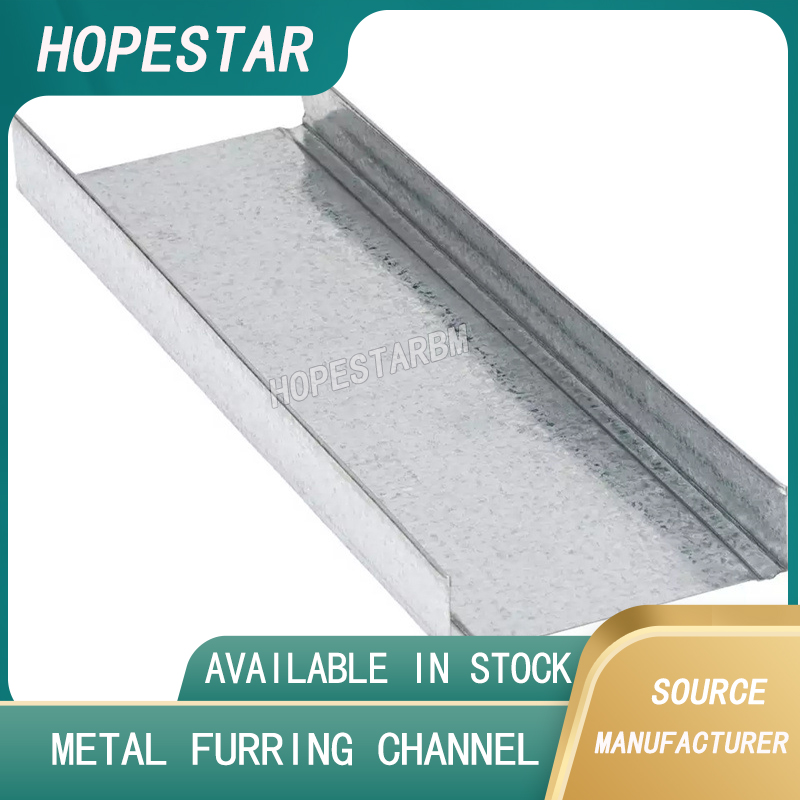
Galvanized steel profiles are the foundational metal framing components widely used in modern interior construction. Roll-formed from cold-rolled steel coated with protective zinc layer, galvanized steel profiles cover a full range of shapes including C studs, U tracks, omega channels,
Galvanized Steel Profiles – Reliable Cold Rolled Framing for Drywall Walls and Ceilings

Metal furring channel for ceiling is a vital secondary framing component widely used in suspended ceiling and drywall ceiling systems. Roll-formed from cold-rolled galvanized steel, this lightweight metal profile works together with main channels, hangers and wall angles to create a level,
Metal Furring Channel for Ceiling – Galvanized Secondary Framing for Suspended Drywall Ceilings

Metal omega channel, also widely called omega furring channel or hat channel, is an indispensable secondary metal framing profile for modern suspended ceilings and drywall wall furring systems. Named after its distinctive Ω shape, this profile is roll-formed from cold-rolled galvanized steel
Metal Omega Channel – Galvanized Omega Furring Channel for Drywall Ceiling and Wall Framing