
The difference between Australian light steel keel and South American light steel keel
2025-04-14
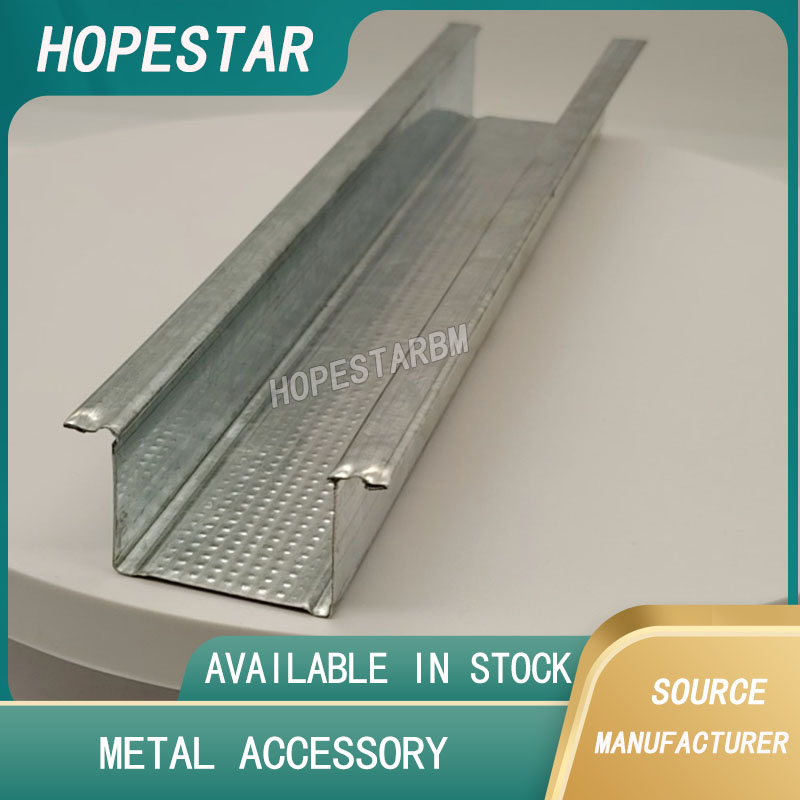
The difference between "Australian light steel keel" and "South American light steel keel" is mainly reflected in the standard system, design concept, material specifications, applicable scenarios, and quality stability. These two types of keels usually represent the architectural styles and technical requirements of different regions, and are suitable for different building environments and market demands.
Below are several key points for comparison and explanation:
1. Different execution standards
Australian light steel keel
Following Australian/New Zealand standards such as AS/NZS 4600 (Cold formed Steel Structure Design Standard) and AS 1397 (Steel Standard), it has high requirements for structural strength, corrosion resistance, and fire resistance, and is widely used in building projects with high seismic and wind resistance requirements.
South American light steel keel
Latin American local standards are often used, and some national standards are not unified. The implementation may lean towards simple and economical construction, which is suitable for cost sensitive projects with relatively low requirements for seismic and wind resistance levels.
2. Different materials and coating treatments
Australian keel
High strength aluminum zinc plated (AZ150) or hot-dip galvanized steel strip (Z275 and above) is commonly used, with excellent corrosion resistance and suitable for coastal and humid areas, with a service life of over 30 years.
South American keel
The commonly used material is ordinary galvanized material, with a relatively thin coating (such as Z120-Z180) and average corrosion resistance. It is mostly used for indoor decoration and has slightly weaker adaptability to the environment.
3. Differences in structural design
Australian Keel System
Emphasis is placed on modular and load-bearing structure design, with the keel often using C-shaped and U-shaped sections, paired with prefabricated accessories, suitable for villa residences, commercial buildings, and modular houses.
South American keel system
More inclined towards simplified design, generally used for lightweight ceiling or partition systems, emphasizing low-cost and fast construction, with limited structural load-bearing and deformation resistance.
4. Installation method and accuracy requirements
Australian light steel keel
High precision requirements, factory customization+on-site rapid assembly, error control at millimeter level, emphasizing installation standardization.
South American light steel keel
The installation flexibility is high, but the accuracy and standardization are low, relying on the experience of on-site workers, which can easily lead to structural deviations.
5. Price and Market Positioning
Australian Dragon Bone: High end market, excellent quality, high cost
South American Dragon Bone: an economical market with strong cost control, suitable for engineering projects with limited budgets
In summary:
Australian light steel keel is more standardized, with high strength and durability, suitable for high demand buildings; South American light steel keel is more economical and practical, suitable for fast construction and cost sensitive scenarios.
Below are several key points for comparison and explanation:
1. Different execution standards
Australian light steel keel
Following Australian/New Zealand standards such as AS/NZS 4600 (Cold formed Steel Structure Design Standard) and AS 1397 (Steel Standard), it has high requirements for structural strength, corrosion resistance, and fire resistance, and is widely used in building projects with high seismic and wind resistance requirements.
South American light steel keel
Latin American local standards are often used, and some national standards are not unified. The implementation may lean towards simple and economical construction, which is suitable for cost sensitive projects with relatively low requirements for seismic and wind resistance levels.
2. Different materials and coating treatments
Australian keel
High strength aluminum zinc plated (AZ150) or hot-dip galvanized steel strip (Z275 and above) is commonly used, with excellent corrosion resistance and suitable for coastal and humid areas, with a service life of over 30 years.
South American keel
The commonly used material is ordinary galvanized material, with a relatively thin coating (such as Z120-Z180) and average corrosion resistance. It is mostly used for indoor decoration and has slightly weaker adaptability to the environment.
3. Differences in structural design
Australian Keel System
Emphasis is placed on modular and load-bearing structure design, with the keel often using C-shaped and U-shaped sections, paired with prefabricated accessories, suitable for villa residences, commercial buildings, and modular houses.
South American keel system
More inclined towards simplified design, generally used for lightweight ceiling or partition systems, emphasizing low-cost and fast construction, with limited structural load-bearing and deformation resistance.
4. Installation method and accuracy requirements
Australian light steel keel
High precision requirements, factory customization+on-site rapid assembly, error control at millimeter level, emphasizing installation standardization.
South American light steel keel
The installation flexibility is high, but the accuracy and standardization are low, relying on the experience of on-site workers, which can easily lead to structural deviations.
5. Price and Market Positioning
Australian Dragon Bone: High end market, excellent quality, high cost
South American Dragon Bone: an economical market with strong cost control, suitable for engineering projects with limited budgets
In summary:
Australian light steel keel is more standardized, with high strength and durability, suitable for high demand buildings; South American light steel keel is more economical and practical, suitable for fast construction and cost sensitive scenarios.
Galvanized Steel Drywall Corner Bead
What are the types of light steel keel accessories
Related Article

Ceiling wall angle, also known as perimeter angle or L-angle, is an indispensable L-shaped metal profile for suspended drywall ceiling systems. Roll-formed from cold-rolled galvanized steel, ceiling wall angle is fixed along the wall perimeter to support the ends of main channels and furring channels,
Ceiling Wall Angle – Galvanized L-Shaped Perimeter Trim for Suspended Drywall Ceilings
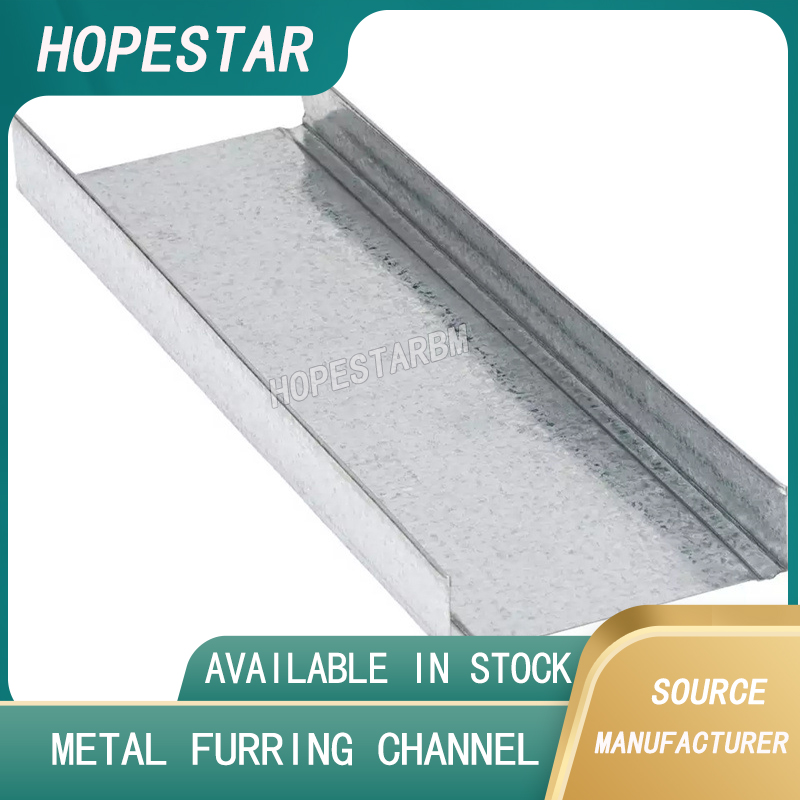
Galvanized steel profiles are the foundational metal framing components widely used in modern interior construction. Roll-formed from cold-rolled steel coated with protective zinc layer, galvanized steel profiles cover a full range of shapes including C studs, U tracks, omega channels,
Galvanized Steel Profiles – Reliable Cold Rolled Framing for Drywall Walls and Ceilings

Metal furring channel for ceiling is a vital secondary framing component widely used in suspended ceiling and drywall ceiling systems. Roll-formed from cold-rolled galvanized steel, this lightweight metal profile works together with main channels, hangers and wall angles to create a level,
Metal Furring Channel for Ceiling – Galvanized Secondary Framing for Suspended Drywall Ceilings

Metal omega channel, also widely called omega furring channel or hat channel, is an indispensable secondary metal framing profile for modern suspended ceilings and drywall wall furring systems. Named after its distinctive Ω shape, this profile is roll-formed from cold-rolled galvanized steel
Metal Omega Channel – Galvanized Omega Furring Channel for Drywall Ceiling and Wall Framing