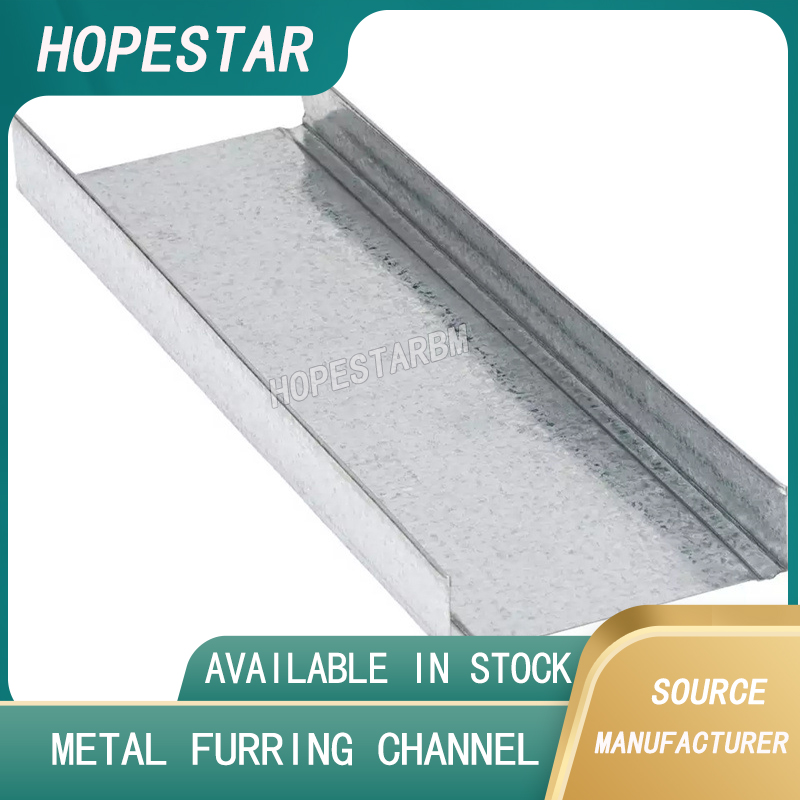
Stud Wall
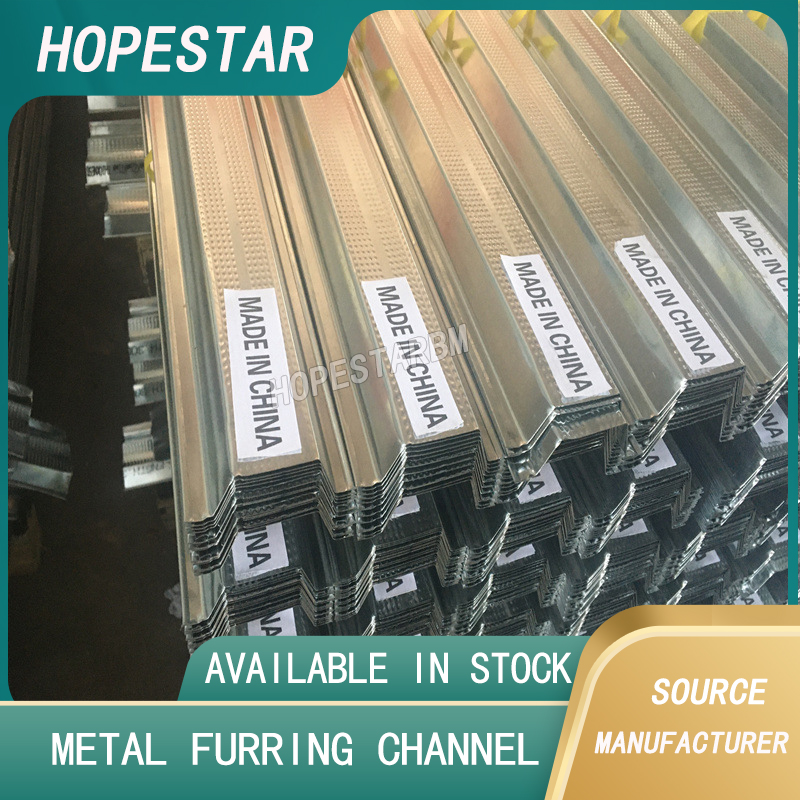
Stud walls are one of the most widely used non-load-bearing partition systems in modern construction, especially for interior space division in residential, commercial and renovation projects. Built with vertical framing members known as studs, these lightweight structures offer great flexibility, fast installation and reliable performance, making them a top choice for builders, contractors and property owners around the world.
The core frame of a stud wall normally consists of timber or metal studs, fixed between horizontal top and bottom plates. The studs are spaced according to design requirements, commonly at 400mm or 600mm on centre. After erecting the frame, plasterboard or drywall panels are screwed onto both sides of the stud frame. Insulation materials can be inserted into the cavity between studs to improve thermal insulation and acoustic performance. Wiring for electrical sockets, light switches and plumbing pipes can also be neatly routed inside the wall cavity without damaging finished surfaces.
Compared with solid brick or concrete walls, stud walls have obvious advantages. First of all, they are much lighter, so they add little extra load to the building structure. This feature is critical for renovation work where it is not allowed to increase heavy dead loads. Secondly, stud wall construction is quick and clean. There is far less dust, waste and wet work than masonry. Teams can finish framing and boarding in a short time, shortening the whole project timeline. In addition, stud walls are easy to modify or remove. If owners want to re-plan rooms in the future, it is simple to take down the partition and rebuild a new layout.
Metal stud walls are popular for commercial buildings because they are fire-resistant, moisture-proof and not prone to rot or insect attack. Timber stud walls are more common in home renovations, with good workability and lower material cost. Builders can select the right stud type based on project budget, fire rating, humidity environment and sound insulation demands.
However, proper installation is essential to guarantee quality. Studs must stay plumb and firmly fixed. Joints of plasterboard need careful taping and filling to avoid cracks. If sound reduction is required, high-density insulation and resilient channels can be added.
In summary, stud walls provide a practical, cost-effective solution to separate indoor spaces. With adaptable designs and multiple functional upgrades, they remain a preferred partition system for new builds and refurbishment projects globally.
Drywall Stud and Track
Sheetrock Metal Corner Bead
Related Article