
Steel Structures
2026-07-10
Steel structures have revolutionized the global construction industry, becoming the mainstream choice for modern residential, commercial, industrial, and public infrastructure projects. Composed of high-strength steel frames, beams, columns, and auxiliary steel components, steel structure buildings replace traditional brick-concrete structures with lighter weight, higher safety, faster construction, and better environmental performance. With the booming development of prefabricated architecture, steel structures have gradually become the core solution for low-carbon and efficient building construction worldwide.
Outstanding structural safety and durability are the core advantages of steel structures. High-quality structural steel features uniform material properties, high tensile strength, and strong toughness, enabling excellent seismic resistance and wind resistance. Unlike concrete buildings that are prone to cracking, peeling, and structural aging, standardized steel structures maintain stable mechanical performance for decades. Equipped with anti-corrosion treatments such as hot-dip galvanizing and paint coating, steel structures can resist rust, chemical erosion, and extreme weather interference, adapting to complex environments including coastal humid areas and high-altitude cold regions.
Efficient construction and flexible design greatly enhance the practical value of steel structures. Most steel structure components are prefabricated and processed in factories with precise sizes and standardized quality. On-site construction only requires assembly, fixation, and welding, which greatly shortens the project cycle compared with traditional construction methods. In addition, steel structures have fewer space limitations. Their lightweight and high-strength characteristics support large-span spaces, personalized architectural shapes, and flexible indoor layout adjustments, meeting the diverse design needs of villas, warehouses, workshops, stadiums, and high-rise buildings.
Steel structures also lead the industry in energy conservation and environmental protection. Steel is a 100% recyclable green building material, producing almost no construction waste during demolition and reconstruction, which effectively reduces environmental pollution. Meanwhile, the hollow structure of steel buildings can be perfectly matched with various thermal and sound insulation materials, forming an efficient energy-saving system. It optimizes indoor temperature regulation, reduces the energy consumption of air conditioning and heating, and effectively lowers the long-term operating costs of buildings.
With comprehensive advantages in safety, efficiency, economy, and sustainability, steel structures have become an irreplaceable part of modern construction. Whether for new building construction, old building renovation, or temporary engineering projects, steel structures can deliver stable and high-quality results. As green building policies continue to be promoted globally, steel structure construction will surely become the mainstream trend of the future construction industry.
Aluminium Profile Corner
Galvanized Angle Steel
Related Article

Ceiling wall angle, also known as perimeter angle or L-angle, is an indispensable L-shaped metal profile for suspended drywall ceiling systems. Roll-formed from cold-rolled galvanized steel, ceiling wall angle is fixed along the wall perimeter to support the ends of main channels and furring channels,
Ceiling Wall Angle – Galvanized L-Shaped Perimeter Trim for Suspended Drywall Ceilings
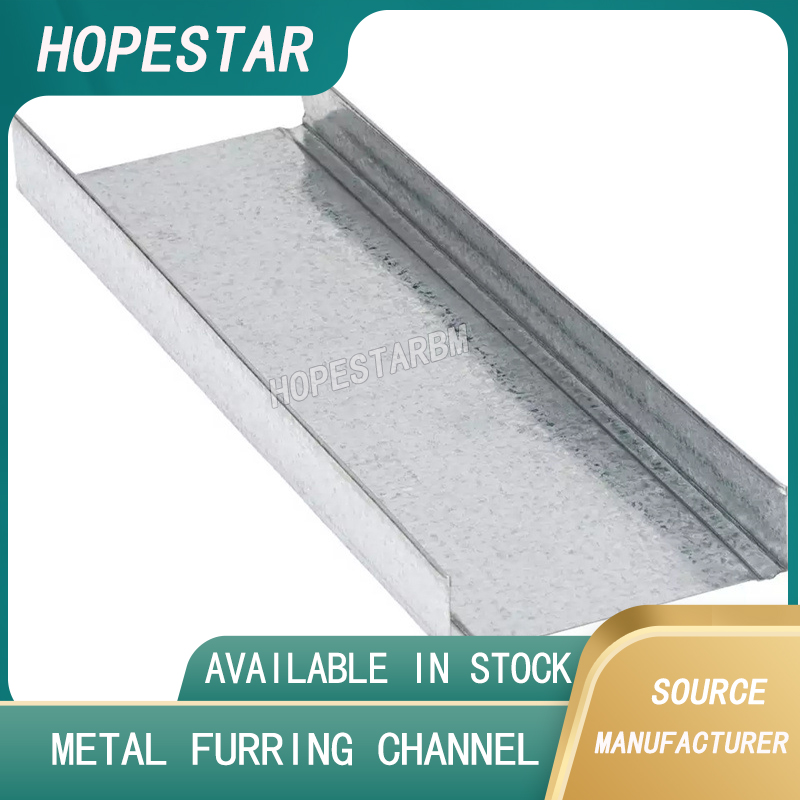
Galvanized steel profiles are the foundational metal framing components widely used in modern interior construction. Roll-formed from cold-rolled steel coated with protective zinc layer, galvanized steel profiles cover a full range of shapes including C studs, U tracks, omega channels,
Galvanized Steel Profiles – Reliable Cold Rolled Framing for Drywall Walls and Ceilings

Metal furring channel for ceiling is a vital secondary framing component widely used in suspended ceiling and drywall ceiling systems. Roll-formed from cold-rolled galvanized steel, this lightweight metal profile works together with main channels, hangers and wall angles to create a level,
Metal Furring Channel for Ceiling – Galvanized Secondary Framing for Suspended Drywall Ceilings

Metal omega channel, also widely called omega furring channel or hat channel, is an indispensable secondary metal framing profile for modern suspended ceilings and drywall wall furring systems. Named after its distinctive Ω shape, this profile is roll-formed from cold-rolled galvanized steel
Metal Omega Channel – Galvanized Omega Furring Channel for Drywall Ceiling and Wall Framing