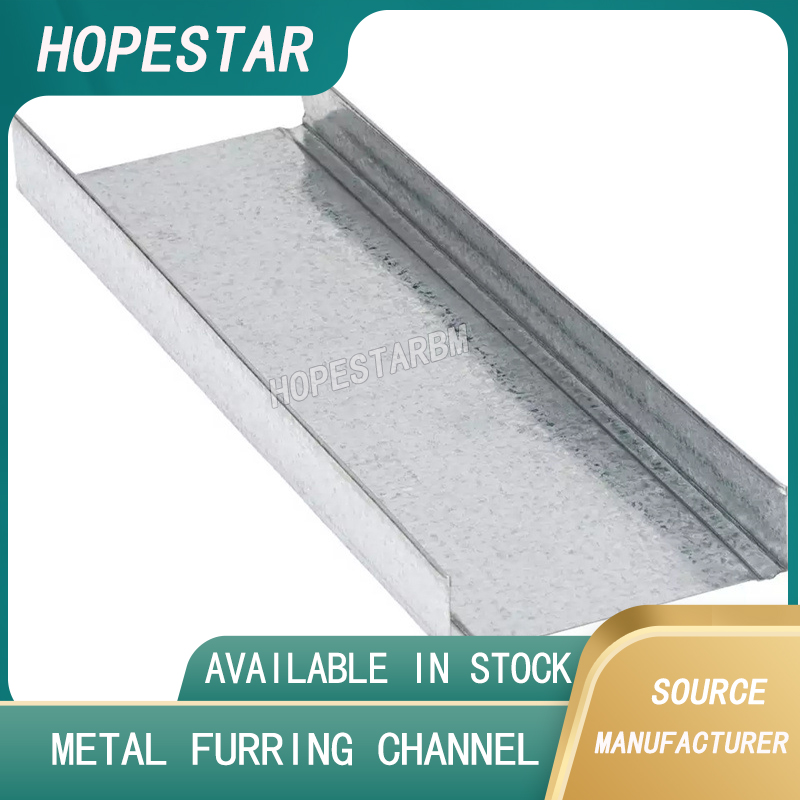
Steel Profiles
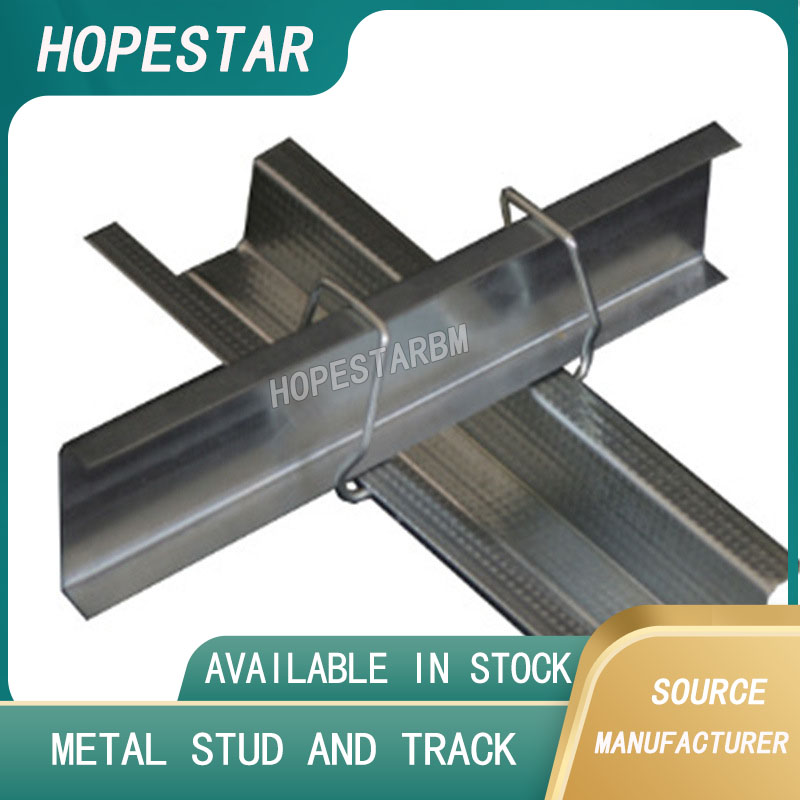
Steel profiles are standardized long steel products with consistent cross-sectional shapes, manufactured through hot rolling, cold drawing or pressing processes. Renowned for their excellent mechanical properties and high tensile strength, they are fundamental structural components across nearly all heavy industries, especially construction and manufacturing.
Unlike solid steel bars, the unique cross-sectional design of steel profiles gives them an exceptional strength-to-weight ratio, allowing them to support heavy loads with less material, which reduces overall project costs and structural weight. This advantage makes them irreplaceable for large-scale construction projects.
Steel profiles are categorized by their cross-sectional shape, and the most common types include I-profiles (I-beams), H-profiles (wide flange H-beams), U-profiles (U-channels), T-profiles, angle steel and rectangular profiles. Each type has its specific application scenarios: I-beams are ideal for long-span bridges and industrial buildings because of their high bending resistance; H-beams provide better load distribution and are widely used for structural columns in high-rise buildings; concrete reinforcement steel profiles, including ribbed steel bars, are used to reinforce concrete structures, improving the overall tensile strength of buildings.
Beyond construction, steel profiles are also widely applied in automotive manufacturing, shipbuilding, machinery production, and bridge engineering. Cold-formed steel profiles, with their high dimensional accuracy and smooth surface, are commonly used for producing automotive body parts and furniture frames. Stainless steel profiles also offer superior corrosion resistance, making them suitable for harsh outdoor and marine environments.
When selecting steel profiles, always consider yield strength, corrosion resistance, size tolerance and coating quality to match your project's specific load and environment requirements.
Furring Channel
Furring Channel Ceiling
Related Article