
steel profile
2024-05-31
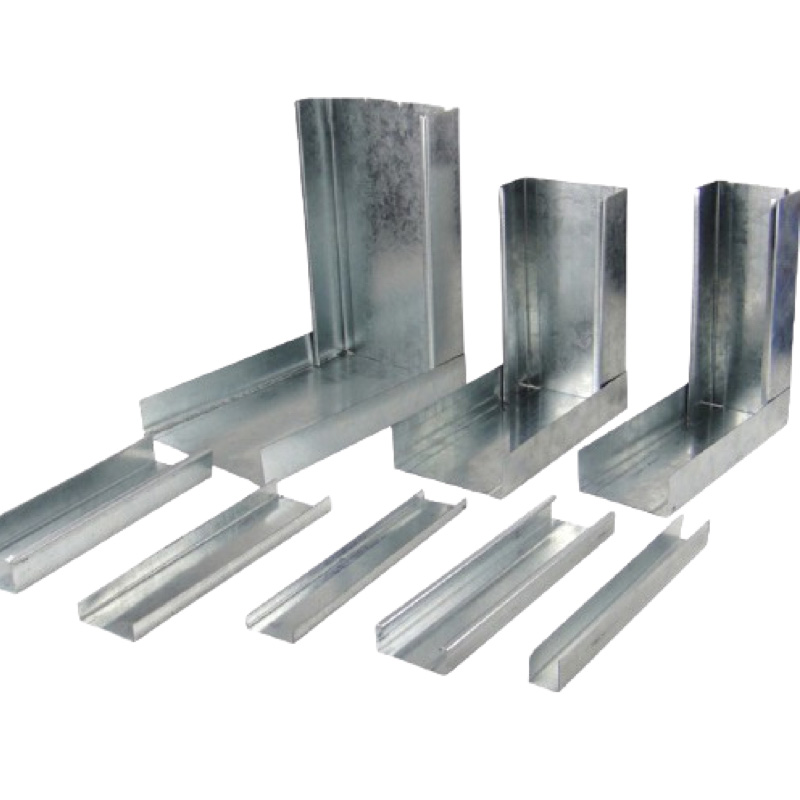
In the modern industrial field, steel undoubtedly occupies a crucial position. When we mention "steel profile", we are exploring a special form of steel and its impact and application in the social economy. This article will discuss the definition, characteristics, application areas, and future development of steel profiles, in order to present readers with a comprehensive and in-depth profile of steel.
Firstly, Steel profile can be understood literally as the outline or profile image of steel. In industrial production, Steel profile usually refers to steel with a certain cross-sectional shape and size, such as steel plates, steel strips, profiles, etc. These steel materials, after processing, have excellent mechanical properties and corrosion resistance, and are widely used in various fields such as construction, machinery, automobiles, bridges, etc.
The characteristics of a steel profile are mainly reflected in the following aspects. Firstly, it has high strength and toughness, and can withstand significant pressure and impact. Secondly, Steel profiles have good processing and welding performance, making it convenient for cutting, bending, welding and other process operations. In addition, Steel profiles also have excellent corrosion resistance and can maintain stable performance in harsh environments.
In terms of application areas, Steel profiles have become an indispensable part of modern industry due to their unique performance and wide range of applications. In the field of architecture, Steel profiles are used to construct the skeleton of high-rise buildings, the support structure of bridges, and the framework of industrial plants. In the field of machinery, Steel profiles are used to manufacture various mechanical components and transmission components, such as gears, bearings, chains, etc. In the automotive industry, Steel profiles are used to manufacture body structures, chassis components, and engine components. In addition, Steel profiles also play an important role in fields such as power, communication, and aerospace.
However, with the continuous progress of technology and the increasing awareness of environmental protection, The steel profile industry is also facing new challenges and opportunities. On the one hand, with the continuous emergence of new materials and technologies, Steel profiles need to continuously improve their performance and quality to meet the constantly changing demands of the market. On the other hand, with the increasingly strict environmental regulations, The steel profile industry needs to increase investment in environmental protection and adopt more environmentally friendly production processes and materials to achieve sustainable development.
Looking ahead, The steel profile industry will present the following development trends. Firstly, with the rapid development of intelligence and automation, The production of steel profiles will increasingly rely on advanced manufacturing technology and equipment to improve production efficiency and product quality. Secondly, with the deepening of green and low-carbon concepts in people's hearts, The steel profile industry will place greater emphasis on environmental protection and sustainable development, promoting the development and application of green steel. In addition, The steel profile industry will also strengthen collaborative innovation with upstream and downstream industries, promote the upgrading and optimization of the industrial chain, and achieve higher levels of development.
In short, As an important component of the steel industry, steel profiles play a crucial role in modern industry. Facing new challenges and opportunities, The steel profile industry needs continuous innovation and development to adapt to market demands and changes. We have reason to believe that in future development, Steel profile will continue to demonstrate its strong vitality and broad development prospects.
Firstly, Steel profile can be understood literally as the outline or profile image of steel. In industrial production, Steel profile usually refers to steel with a certain cross-sectional shape and size, such as steel plates, steel strips, profiles, etc. These steel materials, after processing, have excellent mechanical properties and corrosion resistance, and are widely used in various fields such as construction, machinery, automobiles, bridges, etc.
The characteristics of a steel profile are mainly reflected in the following aspects. Firstly, it has high strength and toughness, and can withstand significant pressure and impact. Secondly, Steel profiles have good processing and welding performance, making it convenient for cutting, bending, welding and other process operations. In addition, Steel profiles also have excellent corrosion resistance and can maintain stable performance in harsh environments.
In terms of application areas, Steel profiles have become an indispensable part of modern industry due to their unique performance and wide range of applications. In the field of architecture, Steel profiles are used to construct the skeleton of high-rise buildings, the support structure of bridges, and the framework of industrial plants. In the field of machinery, Steel profiles are used to manufacture various mechanical components and transmission components, such as gears, bearings, chains, etc. In the automotive industry, Steel profiles are used to manufacture body structures, chassis components, and engine components. In addition, Steel profiles also play an important role in fields such as power, communication, and aerospace.
However, with the continuous progress of technology and the increasing awareness of environmental protection, The steel profile industry is also facing new challenges and opportunities. On the one hand, with the continuous emergence of new materials and technologies, Steel profiles need to continuously improve their performance and quality to meet the constantly changing demands of the market. On the other hand, with the increasingly strict environmental regulations, The steel profile industry needs to increase investment in environmental protection and adopt more environmentally friendly production processes and materials to achieve sustainable development.
Looking ahead, The steel profile industry will present the following development trends. Firstly, with the rapid development of intelligence and automation, The production of steel profiles will increasingly rely on advanced manufacturing technology and equipment to improve production efficiency and product quality. Secondly, with the deepening of green and low-carbon concepts in people's hearts, The steel profile industry will place greater emphasis on environmental protection and sustainable development, promoting the development and application of green steel. In addition, The steel profile industry will also strengthen collaborative innovation with upstream and downstream industries, promote the upgrading and optimization of the industrial chain, and achieve higher levels of development.
In short, As an important component of the steel industry, steel profiles play a crucial role in modern industry. Facing new challenges and opportunities, The steel profile industry needs continuous innovation and development to adapt to market demands and changes. We have reason to believe that in future development, Steel profile will continue to demonstrate its strong vitality and broad development prospects.
Drywall Manufacturers China
reslient channel
Related Article

Ceiling wall angle, also known as perimeter angle or L-angle, is an indispensable L-shaped metal profile for suspended drywall ceiling systems. Roll-formed from cold-rolled galvanized steel, ceiling wall angle is fixed along the wall perimeter to support the ends of main channels and furring channels,
Ceiling Wall Angle – Galvanized L-Shaped Perimeter Trim for Suspended Drywall Ceilings
Galvanized steel profiles are the foundational metal framing components widely used in modern interior construction. Roll-formed from cold-rolled steel coated with protective zinc layer, galvanized steel profiles cover a full range of shapes including C studs, U tracks, omega channels,
Galvanized Steel Profiles – Reliable Cold Rolled Framing for Drywall Walls and Ceilings

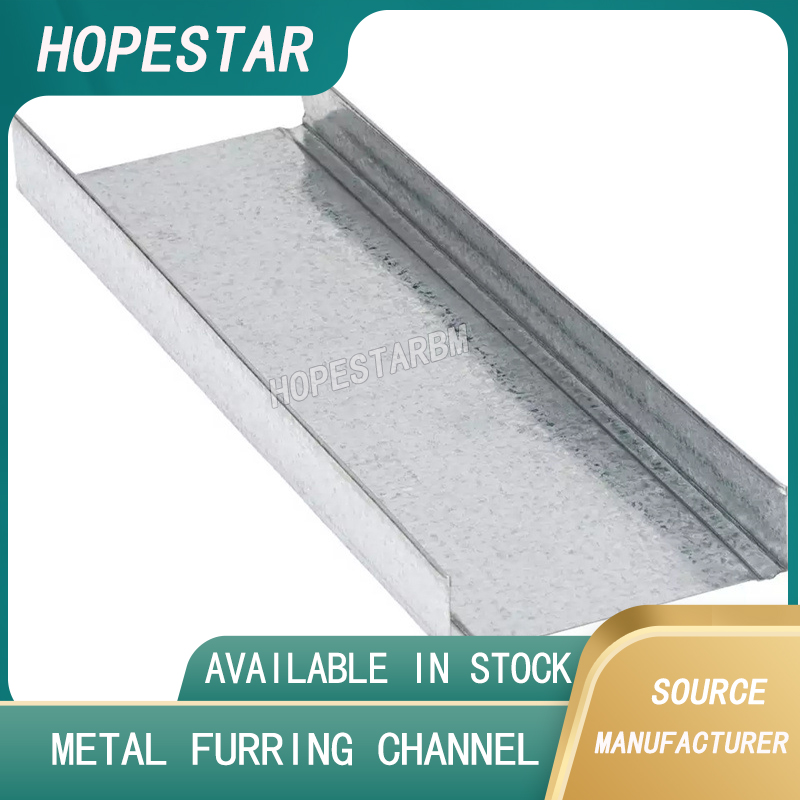
Metal furring channel for ceiling is a vital secondary framing component widely used in suspended ceiling and drywall ceiling systems. Roll-formed from cold-rolled galvanized steel, this lightweight metal profile works together with main channels, hangers and wall angles to create a level,
Metal Furring Channel for Ceiling – Galvanized Secondary Framing for Suspended Drywall Ceilings

Metal omega channel, also widely called omega furring channel or hat channel, is an indispensable secondary metal framing profile for modern suspended ceilings and drywall wall furring systems. Named after its distinctive Ω shape, this profile is roll-formed from cold-rolled galvanized steel
Metal Omega Channel – Galvanized Omega Furring Channel for Drywall Ceiling and Wall Framing