
standard length of metal furring
2024-05-31
The standard length of metal keel is an important parameter in the construction industry, which is widely used in various aspects such as ceiling, wall decoration, sound insulation and heat insulation. When discussing the standard length of metal keel, we first need to understand the basic concept, classification, application scenarios, and factors for determining the standard length of metal keel.
Metal keel, also known as ceiling keel or ceiling light steel keel, is a major material used for ceiling installation. It is usually made of galvanized steel plate or cold-rolled steel plate, which has good strength and stability. Metal keel can be divided into various types according to shape, such as flat keel, groove keel, and convex groove keel, each with its specific application scenarios and advantages.
In the construction industry, metal keel is widely used for ceiling installation. As an important component of indoor space, suspended ceiling not only plays a decorative role, but also achieves functions such as sound insulation, heat insulation, and fire prevention. The selection of the standard length of metal keel as the framework of the ceiling has a significant impact on the stability, aesthetics, and construction efficiency of the ceiling.
The standard length of metal keel is not fixed, but determined based on specific engineering requirements, specifications of ceiling materials, and construction conditions. Generally speaking, the standard length of metal keel can be calculated based on the width, height, and spacing of the ceiling. At the same time, it is also necessary to consider factors such as the weight of the ceiling material, load-bearing requirements, and convenience during the construction process.
When selecting the standard length of metal keel, the following principles should be followed: first, ensure the stability and safety of the ceiling, and avoid safety hazards such as deformation and detachment caused by insufficient or excessive keel length; The second is to improve construction efficiency, reduce the workload of keel splicing and cutting, and lower construction costs; The third is to ensure the aesthetics of the ceiling, making the ceiling lines smooth and flat, and meeting the design requirements.
In addition to the standard length, factors such as the thickness, material, and surface treatment of the metal keel can also affect its performance and service life. Therefore, when selecting metal keel, it is also necessary to comprehensively consider factors such as its performance parameters, quality standards, and brand reputation.
In actual construction, the installation of metal keel is also a key task. Before installation, it is necessary to inspect and pretreat the keel to ensure its quality meets the requirements, and the surface is free of rust and oil stains. During installation, construction specifications should be followed to ensure that the keel is installed flat, firm, and tightly integrated with the ceiling material. At the same time, attention should also be paid to the impact of factors such as humidity and temperature in the construction environment on the performance of metal keel, and corresponding protective measures should be taken.
With the development of the construction industry and technological progress, the application range of metal keel is also constantly expanding. In the future, metal keel will develop towards higher strength, lighter weight, and easier construction. At the same time, with the deepening of green building and energy-saving and environmental protection concepts, metal keel will continue to innovate and optimize in material selection, production processes, and application methods to meet increasingly strict environmental requirements and market demands.
In summary, the standard length of metal keel is an important parameter in the construction industry, and its selection should follow the principles of ensuring the stability of the ceiling, improving construction efficiency, and ensuring aesthetics. In practical applications, we also need to comprehensively consider factors such as the material, thickness, surface treatment of the metal keel, as well as the impact of the construction environment, to ensure the quality and effectiveness of the ceiling. With the continuous progress of technology and changes in market demand, the application and development of metal keel will also usher in broader prospects.
Metal keel, also known as ceiling keel or ceiling light steel keel, is a major material used for ceiling installation. It is usually made of galvanized steel plate or cold-rolled steel plate, which has good strength and stability. Metal keel can be divided into various types according to shape, such as flat keel, groove keel, and convex groove keel, each with its specific application scenarios and advantages.
In the construction industry, metal keel is widely used for ceiling installation. As an important component of indoor space, suspended ceiling not only plays a decorative role, but also achieves functions such as sound insulation, heat insulation, and fire prevention. The selection of the standard length of metal keel as the framework of the ceiling has a significant impact on the stability, aesthetics, and construction efficiency of the ceiling.
The standard length of metal keel is not fixed, but determined based on specific engineering requirements, specifications of ceiling materials, and construction conditions. Generally speaking, the standard length of metal keel can be calculated based on the width, height, and spacing of the ceiling. At the same time, it is also necessary to consider factors such as the weight of the ceiling material, load-bearing requirements, and convenience during the construction process.
When selecting the standard length of metal keel, the following principles should be followed: first, ensure the stability and safety of the ceiling, and avoid safety hazards such as deformation and detachment caused by insufficient or excessive keel length; The second is to improve construction efficiency, reduce the workload of keel splicing and cutting, and lower construction costs; The third is to ensure the aesthetics of the ceiling, making the ceiling lines smooth and flat, and meeting the design requirements.
In addition to the standard length, factors such as the thickness, material, and surface treatment of the metal keel can also affect its performance and service life. Therefore, when selecting metal keel, it is also necessary to comprehensively consider factors such as its performance parameters, quality standards, and brand reputation.
In actual construction, the installation of metal keel is also a key task. Before installation, it is necessary to inspect and pretreat the keel to ensure its quality meets the requirements, and the surface is free of rust and oil stains. During installation, construction specifications should be followed to ensure that the keel is installed flat, firm, and tightly integrated with the ceiling material. At the same time, attention should also be paid to the impact of factors such as humidity and temperature in the construction environment on the performance of metal keel, and corresponding protective measures should be taken.
With the development of the construction industry and technological progress, the application range of metal keel is also constantly expanding. In the future, metal keel will develop towards higher strength, lighter weight, and easier construction. At the same time, with the deepening of green building and energy-saving and environmental protection concepts, metal keel will continue to innovate and optimize in material selection, production processes, and application methods to meet increasingly strict environmental requirements and market demands.
In summary, the standard length of metal keel is an important parameter in the construction industry, and its selection should follow the principles of ensuring the stability of the ceiling, improving construction efficiency, and ensuring aesthetics. In practical applications, we also need to comprehensively consider factors such as the material, thickness, surface treatment of the metal keel, as well as the impact of the construction environment, to ensure the quality and effectiveness of the ceiling. With the continuous progress of technology and changes in market demand, the application and development of metal keel will also usher in broader prospects.
Sheetrock corner guards
28mm furring channel
Related Article

Ceiling wall angle, also known as perimeter angle or L-angle, is an indispensable L-shaped metal profile for suspended drywall ceiling systems. Roll-formed from cold-rolled galvanized steel, ceiling wall angle is fixed along the wall perimeter to support the ends of main channels and furring channels,
Ceiling Wall Angle – Galvanized L-Shaped Perimeter Trim for Suspended Drywall Ceilings
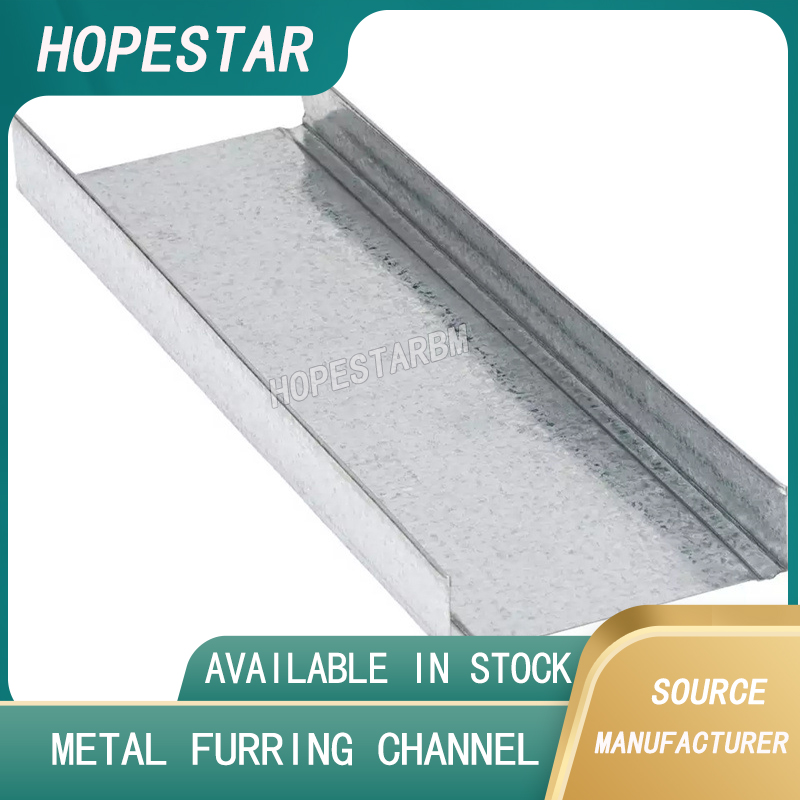
Galvanized steel profiles are the foundational metal framing components widely used in modern interior construction. Roll-formed from cold-rolled steel coated with protective zinc layer, galvanized steel profiles cover a full range of shapes including C studs, U tracks, omega channels,
Galvanized Steel Profiles – Reliable Cold Rolled Framing for Drywall Walls and Ceilings

Metal furring channel for ceiling is a vital secondary framing component widely used in suspended ceiling and drywall ceiling systems. Roll-formed from cold-rolled galvanized steel, this lightweight metal profile works together with main channels, hangers and wall angles to create a level,
Metal Furring Channel for Ceiling – Galvanized Secondary Framing for Suspended Drywall Ceilings

Metal omega channel, also widely called omega furring channel or hat channel, is an indispensable secondary metal framing profile for modern suspended ceilings and drywall wall furring systems. Named after its distinctive Ω shape, this profile is roll-formed from cold-rolled galvanized steel
Metal Omega Channel – Galvanized Omega Furring Channel for Drywall Ceiling and Wall Framing