
Standard Dimensions of Light Steel Keel Ceiling
2024-06-17
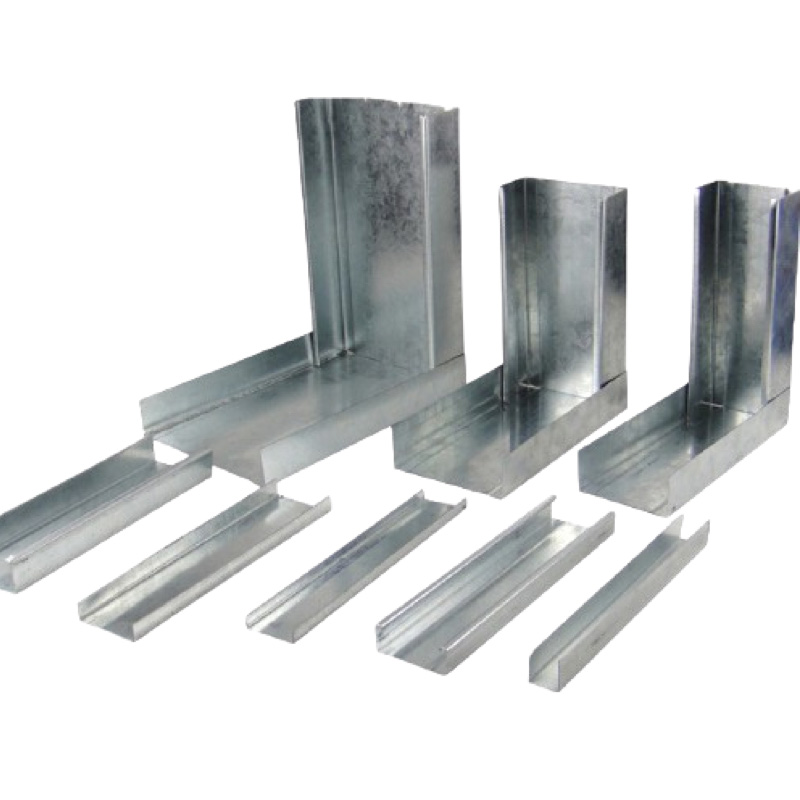
The standard size of light steel keel ceiling is one of the commonly used parameters in the construction field. The setting of these standard sizes not only considers the load-bearing capacity and stability of the ceiling, but also takes into account aesthetics and practicality. Next, we will provide a detailed introduction to the standard dimensions and related characteristics of light steel keel suspended ceilings.
Firstly, the standard dimensions of light steel keel suspended ceilings vary depending on different application scenarios and purposes. Generally speaking, ceiling keel can be divided into various types such as vertical keel, main keel, ground keel, and auxiliary keel, each with its specific size specifications. For example, common specifications for vertical bones include 100 * 50, 75 * 50, and 50 * 50 millimeters; The common specifications of the main dragon are 60 * 27, 38 * 12, and 50 * 15 millimeters; The specifications of the ground bone and auxiliary dragon also have their own characteristics to meet different installation needs.
In addition, the specifications and dimensions of light steel keel suspended ceilings are closely related to their thickness. The thickness of light steel keel used as a load-bearing structure is usually greater than 1.2 millimeters to ensure the stability and load-bearing capacity of the ceiling. The thickness of the accessory bone is generally around 0.5 millimeters, which ensures the overall strength of the ceiling and reduces its weight.
In addition to common standard sizes, light steel keel ceilings can also be customized according to actual needs. Customized dimensions can better adapt to specific installation environments and space requirements, improving the adaptability and aesthetics of the ceiling.
It is crucial to correctly select and use standard sized keels during the installation process of light steel keel suspended ceilings. Construction personnel need to select appropriate keel specifications and sizes based on the design drawings of the ceiling and the actual situation on site to ensure the stability and safety of the ceiling. At the same time, attention should also be paid to the connection and fixation methods of the keel to ensure the flatness and aesthetics of the ceiling.
In addition to the selection of standard dimensions, the material and surface treatment of light steel keel ceilings are also important factors affecting their performance and service life. High quality light steel keel materials should have high strength, corrosion resistance, fire resistance and other characteristics to ensure the long-term stability and safety of the ceiling. In addition, surface treatments such as galvanizing and spraying can also improve the corrosion resistance and aesthetics of the keel.
In summary, the standard size of light steel keel suspended ceiling is one of the important parameters during the installation process of the ceiling. Choosing and using standard sized keel correctly can ensure the stability, safety, and aesthetics of the ceiling. At the same time, construction personnel also need to pay attention to factors such as the material, surface treatment, and connection method of the keel to improve the overall performance and service life of the ceiling.
In practical applications, light steel keel suspended ceilings are highly favored due to their excellent performance and wide applicability. Whether it is public places such as hotels, airport terminals, and stations, commercial and industrial places such as shopping malls, factories, and office buildings, or even the renovation and interior decoration of old buildings, light steel keel suspended ceilings can play an excellent role. Its standardized and modular design makes ceiling installation more convenient and efficient, while also reducing installation and maintenance costs.
With the continuous development and innovation of construction technology, the standard size and performance of light steel keel suspended ceilings are also constantly improving and improving. In the future, we can look forward to the emergence of more new and high-performance light steel keel ceiling products, bringing more innovation and value to the construction industry.
In summary, the standard size of light steel keel ceiling is one of the key elements in the installation process of the ceiling. By understanding and mastering these standard dimensions and their related characteristics, we can better choose and use light steel keel ceiling products, ensuring that the quality and performance of the ceiling meet the expected requirements. Meanwhile, with the continuous progress and innovation of technology, the application prospects of light steel keel suspended ceilings will be even broader and more beautiful.
Firstly, the standard dimensions of light steel keel suspended ceilings vary depending on different application scenarios and purposes. Generally speaking, ceiling keel can be divided into various types such as vertical keel, main keel, ground keel, and auxiliary keel, each with its specific size specifications. For example, common specifications for vertical bones include 100 * 50, 75 * 50, and 50 * 50 millimeters; The common specifications of the main dragon are 60 * 27, 38 * 12, and 50 * 15 millimeters; The specifications of the ground bone and auxiliary dragon also have their own characteristics to meet different installation needs.
In addition, the specifications and dimensions of light steel keel suspended ceilings are closely related to their thickness. The thickness of light steel keel used as a load-bearing structure is usually greater than 1.2 millimeters to ensure the stability and load-bearing capacity of the ceiling. The thickness of the accessory bone is generally around 0.5 millimeters, which ensures the overall strength of the ceiling and reduces its weight.
In addition to common standard sizes, light steel keel ceilings can also be customized according to actual needs. Customized dimensions can better adapt to specific installation environments and space requirements, improving the adaptability and aesthetics of the ceiling.
It is crucial to correctly select and use standard sized keels during the installation process of light steel keel suspended ceilings. Construction personnel need to select appropriate keel specifications and sizes based on the design drawings of the ceiling and the actual situation on site to ensure the stability and safety of the ceiling. At the same time, attention should also be paid to the connection and fixation methods of the keel to ensure the flatness and aesthetics of the ceiling.
In addition to the selection of standard dimensions, the material and surface treatment of light steel keel ceilings are also important factors affecting their performance and service life. High quality light steel keel materials should have high strength, corrosion resistance, fire resistance and other characteristics to ensure the long-term stability and safety of the ceiling. In addition, surface treatments such as galvanizing and spraying can also improve the corrosion resistance and aesthetics of the keel.
In summary, the standard size of light steel keel suspended ceiling is one of the important parameters during the installation process of the ceiling. Choosing and using standard sized keel correctly can ensure the stability, safety, and aesthetics of the ceiling. At the same time, construction personnel also need to pay attention to factors such as the material, surface treatment, and connection method of the keel to improve the overall performance and service life of the ceiling.
In practical applications, light steel keel suspended ceilings are highly favored due to their excellent performance and wide applicability. Whether it is public places such as hotels, airport terminals, and stations, commercial and industrial places such as shopping malls, factories, and office buildings, or even the renovation and interior decoration of old buildings, light steel keel suspended ceilings can play an excellent role. Its standardized and modular design makes ceiling installation more convenient and efficient, while also reducing installation and maintenance costs.
With the continuous development and innovation of construction technology, the standard size and performance of light steel keel suspended ceilings are also constantly improving and improving. In the future, we can look forward to the emergence of more new and high-performance light steel keel ceiling products, bringing more innovation and value to the construction industry.
In summary, the standard size of light steel keel ceiling is one of the key elements in the installation process of the ceiling. By understanding and mastering these standard dimensions and their related characteristics, we can better choose and use light steel keel ceiling products, ensuring that the quality and performance of the ceiling meet the expected requirements. Meanwhile, with the continuous progress and innovation of technology, the application prospects of light steel keel suspended ceilings will be even broader and more beautiful.
c furring channel sizes
What is the standard size of a furring channel?
Related Article

Ceiling wall angle, also known as perimeter angle or L-angle, is an indispensable L-shaped metal profile for suspended drywall ceiling systems. Roll-formed from cold-rolled galvanized steel, ceiling wall angle is fixed along the wall perimeter to support the ends of main channels and furring channels,
Ceiling Wall Angle – Galvanized L-Shaped Perimeter Trim for Suspended Drywall Ceilings
Galvanized steel profiles are the foundational metal framing components widely used in modern interior construction. Roll-formed from cold-rolled steel coated with protective zinc layer, galvanized steel profiles cover a full range of shapes including C studs, U tracks, omega channels,
Galvanized Steel Profiles – Reliable Cold Rolled Framing for Drywall Walls and Ceilings

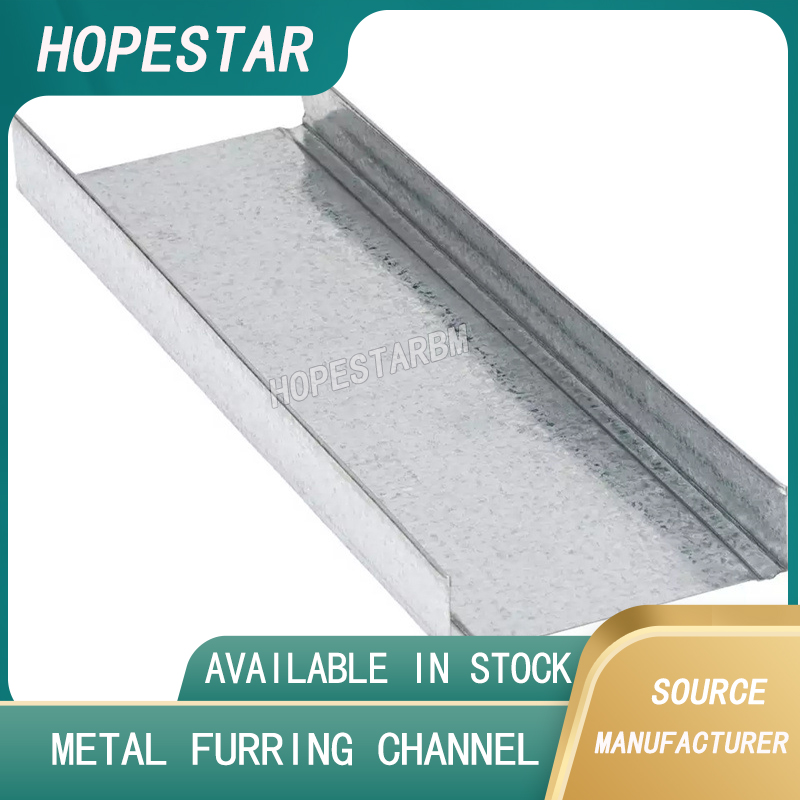
Metal furring channel for ceiling is a vital secondary framing component widely used in suspended ceiling and drywall ceiling systems. Roll-formed from cold-rolled galvanized steel, this lightweight metal profile works together with main channels, hangers and wall angles to create a level,
Metal Furring Channel for Ceiling – Galvanized Secondary Framing for Suspended Drywall Ceilings

Metal omega channel, also widely called omega furring channel or hat channel, is an indispensable secondary metal framing profile for modern suspended ceilings and drywall wall furring systems. Named after its distinctive Ω shape, this profile is roll-formed from cold-rolled galvanized steel
Metal Omega Channel – Galvanized Omega Furring Channel for Drywall Ceiling and Wall Framing