
Specifications and dimensions of Australian light steel keel
2024-04-03
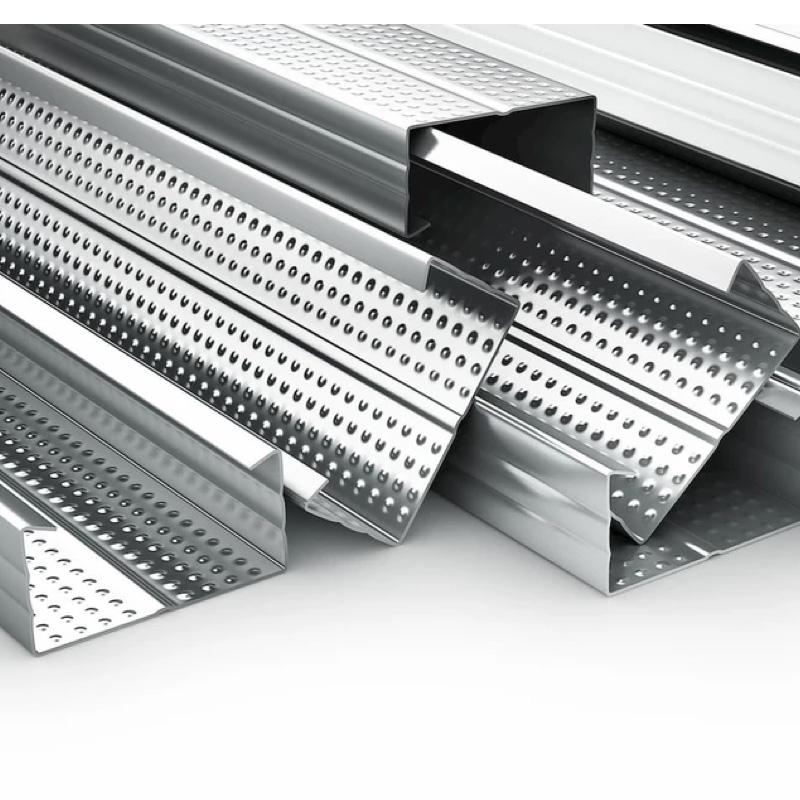
Light steel keel, as a widely used material in the construction industry, its specification and size selection play a crucial role in the structural safety and performance of buildings. Light steel keel is widely used in modern buildings due to its high strength, lightweight, and good seismic performance. This article will provide a detailed introduction to the specifications and dimensions of light steel keel, helping readers better understand and apply this material.
Firstly, let's understand the basic specifications of light steel keel. Light steel keel is mainly divided into two categories: ceiling keel and partition keel. Suspended ceiling keel is mainly used for supporting and fixing indoor ceilings, and its common specifications include U-shaped keel and C-shaped keel. The U-shaped keel is named after its cross-sectional shape resembling the letter "U" and is mainly used as the main keel for suspended ceilings, bearing all the loads of the ceiling. The C-shaped keel is used as a secondary keel for the ceiling, and is used in conjunction with the U-shaped keel to enhance the overall stability of the ceiling.
Partition keel is mainly used for the construction of indoor partition walls, and its common specifications include sky and earth keel and vertical keel. The heaven and earth keel is located at the top and bottom of the partition, playing a fixing and supporting role. The vertical keel is perpendicular to the heaven and earth keel, used to separate spaces and form walls.
Next, we will discuss in detail the size selection of light steel keel. The dimensions of light steel keel are usually expressed in millimeters, and the main parameters include the width, height, and thickness of the keel.
Different specifications of keel have different size ranges to meet different usage needs. For example, the width of the U-shaped keel of the ceiling main keel is usually between 15-60 millimeters, and the height is between 1.2-3.0 millimeters. The width of the C-shaped keel of the suspended ceiling is usually between 50-150 millimeters, and the height is between 0.5-1.5 millimeters. The size of the partition keel is determined based on the height and thickness of the wall, with common widths of 60, 75, 100 millimeters, etc. The height is customized according to actual needs. The size of the vertical keel is selected based on the width and height of the partition to ensure the stability and sound insulation effect of the wall.
When selecting the specifications and dimensions of light steel keel, it is necessary to comprehensively consider factors such as the building's functional use, load requirements, and spatial layout. For example, for suspended ceilings in large commercial spaces or public places, it is necessary to choose main and auxiliary keels with stronger load-bearing capacity to ensure the stability and safety of the ceiling. For indoor partition walls, it is necessary to choose appropriate ceiling and vertical keels based on sound insulation requirements and space division.
In addition, the surface treatment of light steel keel is also a factor to consider when selecting. Common surface treatments include galvanizing, baking paint, etc., which can improve the corrosion resistance and aesthetics of the keel, and extend its service life. At the same time, according to different usage environments, special treatments such as fire and moisture prevention can also be selected for the keel to meet specific safety requirements.
In summary, the specification and size selection of light steel keel have a significant impact on the safety and performance of buildings. When choosing, it is necessary to comprehensively consider factors such as the actual needs of the building, load requirements, spatial layout, and choose appropriate surface treatments to meet specific usage environments. Through reasonable selection and application, light steel keel will provide stable, safe, and aesthetically pleasing support and separation solutions for modern buildings.
In summary, the specification and size selection of light steel keel have a significant impact on the safety and performance of buildings. When choosing, it is necessary to comprehensively consider factors such as the actual needs of the building, load requirements, spatial layout, and choose appropriate surface treatments to meet specific usage environments. Through reasonable selection and application, light steel keel will provide stable, safe, and aesthetically pleasing support and separation solutions for modern buildings.
Established in 2010, Puyang Metal Products Co., Ltd. in Wen'an County has a factory area of over 8000 square meters, mainly engaged in metal cold bending profiles, profiles, metal materials, punching edges and corners, keel accessories, and supporting indoor decoration materials. The company can customize production according to customer drawings and provide customized services to customers. The company has established preliminary negotiations with the Middle East, Southeast Asia, Africa, South America and other regions, adhering to the spirit of quality first, service first, and continuous improvement to win customer recognition.
How much does the light steel keel cost per square meter
What is the interval between light steel keel suspended ceilings
Related Article

Ceiling wall angle, also known as perimeter angle or L-angle, is an indispensable L-shaped metal profile for suspended drywall ceiling systems. Roll-formed from cold-rolled galvanized steel, ceiling wall angle is fixed along the wall perimeter to support the ends of main channels and furring channels,
Ceiling Wall Angle – Galvanized L-Shaped Perimeter Trim for Suspended Drywall Ceilings
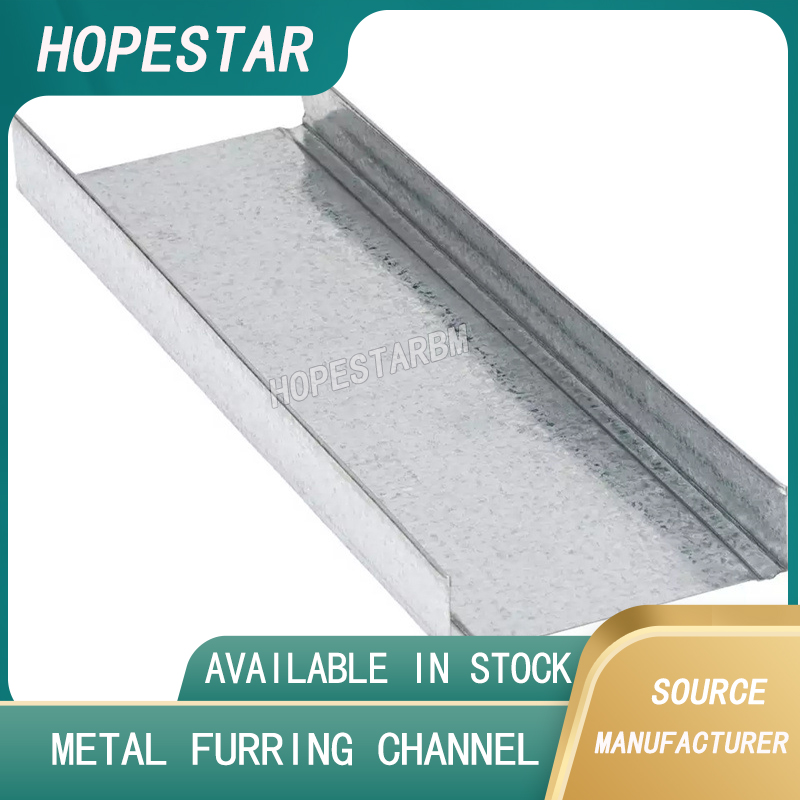
Galvanized steel profiles are the foundational metal framing components widely used in modern interior construction. Roll-formed from cold-rolled steel coated with protective zinc layer, galvanized steel profiles cover a full range of shapes including C studs, U tracks, omega channels,
Galvanized Steel Profiles – Reliable Cold Rolled Framing for Drywall Walls and Ceilings

Metal furring channel for ceiling is a vital secondary framing component widely used in suspended ceiling and drywall ceiling systems. Roll-formed from cold-rolled galvanized steel, this lightweight metal profile works together with main channels, hangers and wall angles to create a level,
Metal Furring Channel for Ceiling – Galvanized Secondary Framing for Suspended Drywall Ceilings

Metal omega channel, also widely called omega furring channel or hat channel, is an indispensable secondary metal framing profile for modern suspended ceilings and drywall wall furring systems. Named after its distinctive Ω shape, this profile is roll-formed from cold-rolled galvanized steel
Metal Omega Channel – Galvanized Omega Furring Channel for Drywall Ceiling and Wall Framing