
Specification of C-type light steel keel
2024-06-19
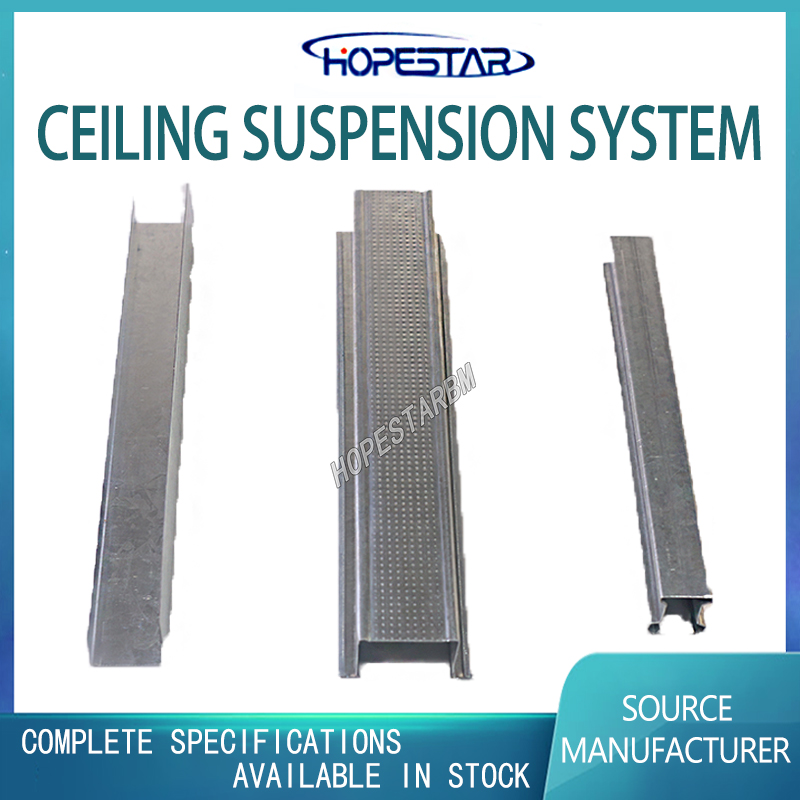
The specifications of C-type light steel keel are diverse, including common ones such as 60270.8mm, 50190.5mm, 50170.42mm, etc. These specifications not only differ in size, but may also vary due to factors such as manufacturer and usage. For example, the C-type light steel keel offers a variety of specifications, such as the C-type main keel 270.8, the C-type partition light steel keel 75 vertical keel 400.45, the C-type ceiling light steel keel 50 pairs of bones 190.5, and the C-type light steel keel 50 pairs of bones 170.42. These specifications reflect the flexibility of the application of C-shaped light steel keel in construction, which can meet the needs of different parts and functions. twelve
The characteristics of C-type light steel keel include fire resistance, moisture resistance, etc., making it an ideal choice in building structures. In addition, the thickness and specification selection of C-type light steel keel also takes into account factors such as construction convenience, stress conditions, and fire resistance level. For example, the selection of thickness should be comprehensively considered based on factors such as the usage environment, stress situation, and fire resistance level of the keel.
When selecting C-type light steel keel, in addition to specifications and dimensions, factors such as cross-sectional shape, length, and whether coating treatment is required should also be considered. The cross-sectional shape of C-shaped light steel keel is suitable for supporting suspended ceilings and partitions, and its length is generally customized according to actual needs, with common lengths of 2 meters, 3 meters, 4 meters, etc.
In summary, the specifications of C-type light steel keel are diverse, and the selection should be based on the specific usage environment and building design requirements to ensure that it has good seismic and wind pressure resistance performance, while meeting safety requirements such as fire and moisture prevention.
The characteristics of C-type light steel keel include fire resistance, moisture resistance, etc., making it an ideal choice in building structures. In addition, the thickness and specification selection of C-type light steel keel also takes into account factors such as construction convenience, stress conditions, and fire resistance level. For example, the selection of thickness should be comprehensively considered based on factors such as the usage environment, stress situation, and fire resistance level of the keel.
When selecting C-type light steel keel, in addition to specifications and dimensions, factors such as cross-sectional shape, length, and whether coating treatment is required should also be considered. The cross-sectional shape of C-shaped light steel keel is suitable for supporting suspended ceilings and partitions, and its length is generally customized according to actual needs, with common lengths of 2 meters, 3 meters, 4 meters, etc.
In summary, the specifications of C-type light steel keel are diverse, and the selection should be based on the specific usage environment and building design requirements to ensure that it has good seismic and wind pressure resistance performance, while meeting safety requirements such as fire and moisture prevention.
Differences between U-shaped and T-shaped light steel keel
Six major steps in the construction process of light steel keel suspended ceiling
Related Article

Ceiling wall angle, also known as perimeter angle or L-angle, is an indispensable L-shaped metal profile for suspended drywall ceiling systems. Roll-formed from cold-rolled galvanized steel, ceiling wall angle is fixed along the wall perimeter to support the ends of main channels and furring channels,
Ceiling Wall Angle – Galvanized L-Shaped Perimeter Trim for Suspended Drywall Ceilings
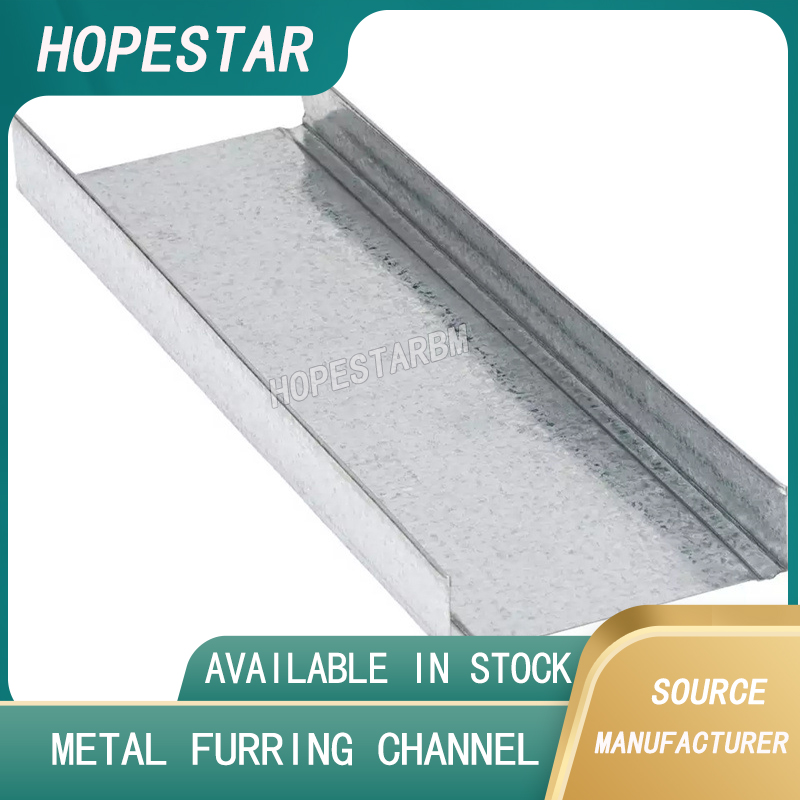
Galvanized steel profiles are the foundational metal framing components widely used in modern interior construction. Roll-formed from cold-rolled steel coated with protective zinc layer, galvanized steel profiles cover a full range of shapes including C studs, U tracks, omega channels,
Galvanized Steel Profiles – Reliable Cold Rolled Framing for Drywall Walls and Ceilings

Metal furring channel for ceiling is a vital secondary framing component widely used in suspended ceiling and drywall ceiling systems. Roll-formed from cold-rolled galvanized steel, this lightweight metal profile works together with main channels, hangers and wall angles to create a level,
Metal Furring Channel for Ceiling – Galvanized Secondary Framing for Suspended Drywall Ceilings

Metal omega channel, also widely called omega furring channel or hat channel, is an indispensable secondary metal framing profile for modern suspended ceilings and drywall wall furring systems. Named after its distinctive Ω shape, this profile is roll-formed from cold-rolled galvanized steel
Metal Omega Channel – Galvanized Omega Furring Channel for Drywall Ceiling and Wall Framing