
sound channel for drywall
2024-07-02
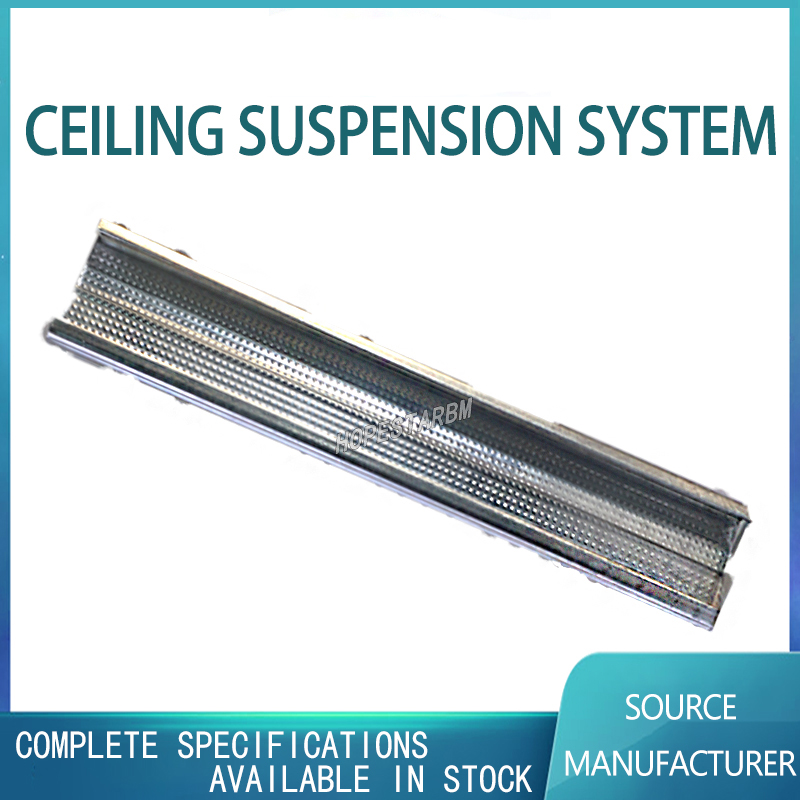
In today's construction industry, the application of drywall systems is becoming increasingly widespread. It not only improves construction efficiency, but also brings higher comfort and aesthetics to indoor environments. However, with the popularization of drywall systems, how to effectively manage and optimize sound propagation in drywall systems has become an important issue that designers, architects, and indoor environmental experts need to pay attention to. This article will delve into the concept, design principles, application cases, and future development trends of "sound channel for drywall".
1、 The concept of dry wall sound channel
The dry wall sound channel refers to the sound channel in the dry wall system, sound channel for drywall, A special channel designed to control and manage sound propagation. These channels are typically located within the internal structure of dry walls, absorbing, isolating, or guiding sound through specific materials and designs to achieve the goal of reducing noise, improving sound quality, or achieving specific sound effects. The design of dry wall sound channels needs to consider factors such as frequency, propagation direction, and intensity of sound to ensure its effectiveness and reliability in practical applications.
2、 Design principles of dry wall sound channels
1. Functional principle: The design of dry wall sound channels should first meet their functional requirements, that is, be able to effectively control and manage sound propagation. This requires designers to fully consider the propagation patterns and characteristics of sound when selecting materials and structures, ensuring that the channel can achieve the expected sound effect.
2. Aesthetic principle: The design of the sound channel of the dry wall should also consider aesthetics, ensuring that it is coordinated with the overall style of the dry wall system and the indoor environment. Designers can visually integrate sound channels into drywall systems by selecting appropriate materials and colors, as well as adopting concealed designs, to avoid damaging the overall aesthetic of the indoor environment.
3. Economic principle: The design of dry wall sound channels should consider cost-effectiveness, sound channel for drywall, Ensure that material costs, construction costs, and maintenance costs are minimized as much as possible while meeting functional and aesthetic requirements. Designers can achieve economic goals by optimizing design schemes, selecting cost-effective materials, and adopting standardized construction methods.
4. Environmental protection principle: The design of dry wall sound channels should comply with environmental requirements, using environmentally friendly materials and green construction methods to reduce the impact on the environment. At the same time, designers should also pay attention to the environmental performance of sound channels during use, ensuring that they do not cause pollution or harm to the indoor environment.
3、 Application case of dry wall sound channel
1. Office space: In office space, dry wall sound channels are widely used in soundproof wall and partition design. sound channel for drywall, By designing the location and structure of sound channels reasonably, it is possible to effectively isolate noise inside and outside the office, creating a quiet and comfortable working environment for employees. At the same time, sound channels can also be used to adjust the distribution and quality of indoor sound, improving employee work efficiency and satisfaction.
2. Entertainment venues: In entertainment venues, dry wall sound channels are used to control the spread of music, vocals, and other noise. By optimizing the design and material selection of sound channels, it is possible to ensure that music and vocals propagate within designated areas while reducing interference with other areas. In addition, sound channels can also be used to achieve specific sound effects, enhancing the atmosphere and attractiveness of entertainment venues.
3. Hotel rooms: In hotel rooms, dry wall sound channels are used to improve the sound insulation performance of the room. sound channel for drywall, By designing a reasonable sound channel structure and selecting high-performance soundproofing materials, privacy and quietness in the guest room can be ensured, and guest satisfaction and comfort can be improved.
4、 The Future Development Trends of Dry Wall Sound Channels
With the continuous improvement of people's requirements for indoor environment comfort and quality, the application of dry wall sound channels will be increasingly widespread. In the future, the design of dry wall sound channels will pay more attention to intelligence and personalization. sound channel for drywall, By introducing advanced sensors and control systems, automatic adjustment and optimization of sound channels can be achieved to meet the sound requirements in different scenarios. At the same time, designers can also customize exclusive sound channel design schemes according to the personalized needs of users, creating a more comfortable and personalized indoor environment for users.
In addition, with the continuous improvement of environmental awareness, the design of dry wall sound channels in the future will pay more attention to environmental protection and sustainability. sound channel for drywall, Designers will adopt more environmentally friendly materials and processes to reduce their impact on the environment. At the same time, the sound channel will also pay attention to energy conservation, emission reduction, and recycling during use, achieving green and low-carbon indoor environmental design.
In summary, "sound channel for drywall" is an important component of drywall systems, which is of great significance in improving the comfort and quality of indoor environments.
1、 The concept of dry wall sound channel
The dry wall sound channel refers to the sound channel in the dry wall system, sound channel for drywall, A special channel designed to control and manage sound propagation. These channels are typically located within the internal structure of dry walls, absorbing, isolating, or guiding sound through specific materials and designs to achieve the goal of reducing noise, improving sound quality, or achieving specific sound effects. The design of dry wall sound channels needs to consider factors such as frequency, propagation direction, and intensity of sound to ensure its effectiveness and reliability in practical applications.
2、 Design principles of dry wall sound channels
1. Functional principle: The design of dry wall sound channels should first meet their functional requirements, that is, be able to effectively control and manage sound propagation. This requires designers to fully consider the propagation patterns and characteristics of sound when selecting materials and structures, ensuring that the channel can achieve the expected sound effect.
2. Aesthetic principle: The design of the sound channel of the dry wall should also consider aesthetics, ensuring that it is coordinated with the overall style of the dry wall system and the indoor environment. Designers can visually integrate sound channels into drywall systems by selecting appropriate materials and colors, as well as adopting concealed designs, to avoid damaging the overall aesthetic of the indoor environment.
3. Economic principle: The design of dry wall sound channels should consider cost-effectiveness, sound channel for drywall, Ensure that material costs, construction costs, and maintenance costs are minimized as much as possible while meeting functional and aesthetic requirements. Designers can achieve economic goals by optimizing design schemes, selecting cost-effective materials, and adopting standardized construction methods.
4. Environmental protection principle: The design of dry wall sound channels should comply with environmental requirements, using environmentally friendly materials and green construction methods to reduce the impact on the environment. At the same time, designers should also pay attention to the environmental performance of sound channels during use, ensuring that they do not cause pollution or harm to the indoor environment.
3、 Application case of dry wall sound channel
1. Office space: In office space, dry wall sound channels are widely used in soundproof wall and partition design. sound channel for drywall, By designing the location and structure of sound channels reasonably, it is possible to effectively isolate noise inside and outside the office, creating a quiet and comfortable working environment for employees. At the same time, sound channels can also be used to adjust the distribution and quality of indoor sound, improving employee work efficiency and satisfaction.
2. Entertainment venues: In entertainment venues, dry wall sound channels are used to control the spread of music, vocals, and other noise. By optimizing the design and material selection of sound channels, it is possible to ensure that music and vocals propagate within designated areas while reducing interference with other areas. In addition, sound channels can also be used to achieve specific sound effects, enhancing the atmosphere and attractiveness of entertainment venues.
3. Hotel rooms: In hotel rooms, dry wall sound channels are used to improve the sound insulation performance of the room. sound channel for drywall, By designing a reasonable sound channel structure and selecting high-performance soundproofing materials, privacy and quietness in the guest room can be ensured, and guest satisfaction and comfort can be improved.
4、 The Future Development Trends of Dry Wall Sound Channels
With the continuous improvement of people's requirements for indoor environment comfort and quality, the application of dry wall sound channels will be increasingly widespread. In the future, the design of dry wall sound channels will pay more attention to intelligence and personalization. sound channel for drywall, By introducing advanced sensors and control systems, automatic adjustment and optimization of sound channels can be achieved to meet the sound requirements in different scenarios. At the same time, designers can also customize exclusive sound channel design schemes according to the personalized needs of users, creating a more comfortable and personalized indoor environment for users.
In addition, with the continuous improvement of environmental awareness, the design of dry wall sound channels in the future will pay more attention to environmental protection and sustainability. sound channel for drywall, Designers will adopt more environmentally friendly materials and processes to reduce their impact on the environment. At the same time, the sound channel will also pay attention to energy conservation, emission reduction, and recycling during use, achieving green and low-carbon indoor environmental design.
In summary, "sound channel for drywall" is an important component of drywall systems, which is of great significance in improving the comfort and quality of indoor environments.
furring wall detail
14 gauge hat channel
Related Article

Ceiling wall angle, also known as perimeter angle or L-angle, is an indispensable L-shaped metal profile for suspended drywall ceiling systems. Roll-formed from cold-rolled galvanized steel, ceiling wall angle is fixed along the wall perimeter to support the ends of main channels and furring channels,
Ceiling Wall Angle – Galvanized L-Shaped Perimeter Trim for Suspended Drywall Ceilings
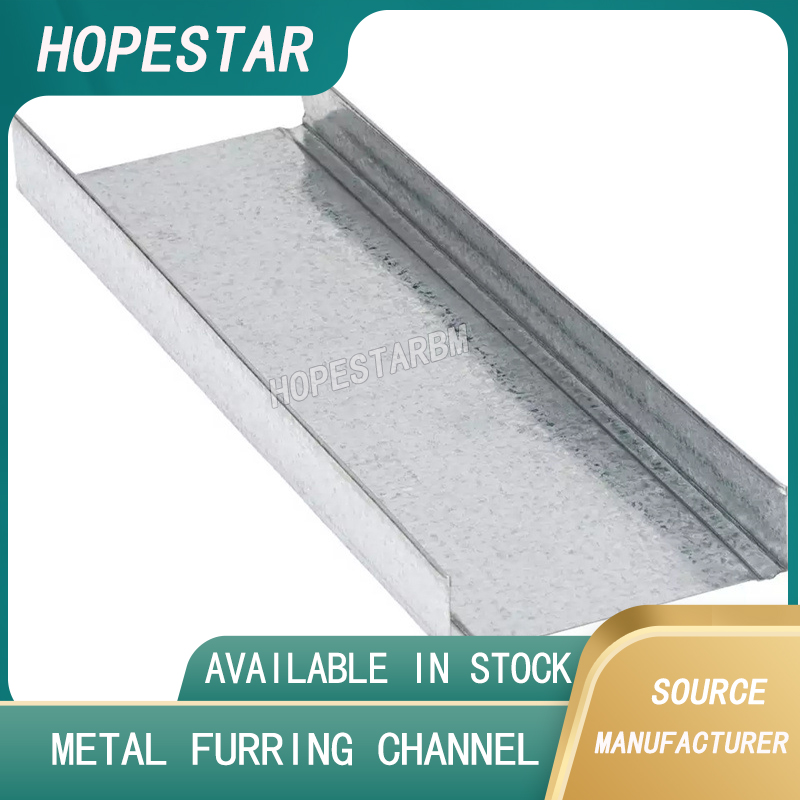
Galvanized steel profiles are the foundational metal framing components widely used in modern interior construction. Roll-formed from cold-rolled steel coated with protective zinc layer, galvanized steel profiles cover a full range of shapes including C studs, U tracks, omega channels,
Galvanized Steel Profiles – Reliable Cold Rolled Framing for Drywall Walls and Ceilings

Metal furring channel for ceiling is a vital secondary framing component widely used in suspended ceiling and drywall ceiling systems. Roll-formed from cold-rolled galvanized steel, this lightweight metal profile works together with main channels, hangers and wall angles to create a level,
Metal Furring Channel for Ceiling – Galvanized Secondary Framing for Suspended Drywall Ceilings

Metal omega channel, also widely called omega furring channel or hat channel, is an indispensable secondary metal framing profile for modern suspended ceilings and drywall wall furring systems. Named after its distinctive Ω shape, this profile is roll-formed from cold-rolled galvanized steel
Metal Omega Channel – Galvanized Omega Furring Channel for Drywall Ceiling and Wall Framing