
size of furring channel
2024-07-17
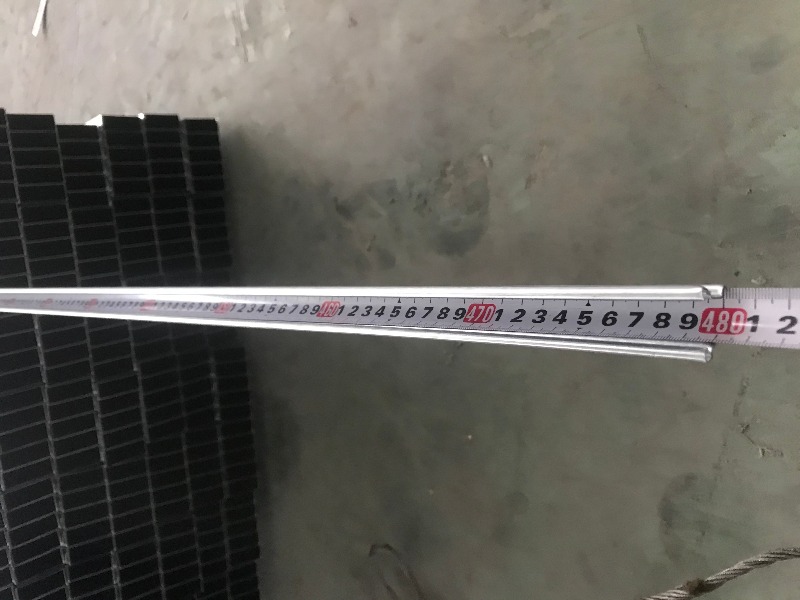
In construction engineering, the ceiling system is a crucial component that not only affects the aesthetics of the building, but also involves the stability and safety of the structure. In the construction of ceiling systems, the selection and application of the size of the furring channel, which is the connection part between the keel and the covering material, cannot be ignored. This article will delve into the size issue of joint fillers, including their definition,size of furring channel, the importance of size selection, application scenarios for different sizes, and how to optimize size according to specific project requirements.
1、 Definition and function of sealing strips
Filler strips, also known as ceiling keel filler materials or ceiling channel steel, size of furring channel,are key components used in ceiling systems to connect keels and cladding materials. It is usually installed between the keels to support, fix, and adjust the covering material. The presence of sealing strips makes the ceiling system more stable and flat, while also providing uniform support for the covering material.
2、 The importance of selecting the size of the sealing strip
The size selection of the sealing strip directly affects the overall performance and appearance of the ceiling system. If the size selection is improper, it may lead to the following problems:
1. Insufficient stability: The size of the sealing strip is too small to provide sufficient support, resulting in shaking or deformation of the ceiling system.
2. Poor flatness: Inappropriate size of the sealing strip may result in uneven installation of the covering material, affecting the overall aesthetics.
3. Installation difficulty: The size of the sealing strip is too large, which may increase the difficulty of installation and even make it unable to adapt to the spacing between the keel, resulting in low construction efficiency.
Therefore, in the design and construction of ceiling systems, it is crucial to choose the appropriate size of joint filler strips.
3、 Application scenarios of different sizes of sealing strips
In practical engineering, the size selection of the sealing strip needs to be based on specific project requirements. The following are some common application scenarios and their corresponding selection of sealing strip sizes:
1. Conventional office ceiling: For conventional office ceilings, standard size sealing strips are generally used, size of furring channel,such as 25mm × 25mm or 30mm × 30mm. These dimensions can meet basic stability and flatness requirements, while being easy to install and highly efficient in construction.
2. Large commercial space ceiling: In large commercial spaces such as shopping centers, exhibition halls, etc., the ceiling system needs to withstand greater loads and more complex installation conditions. Therefore, it is recommended to choose larger sized sealing strips, such as 40mm x 40mm or 50mm x 50mm. These large-sized sealing strips can provide stronger support and stability, ensuring that the ceiling system can remain flat and aesthetically pleasing in various environments.
3. Special shaped ceiling: For some special shaped ceilings, such as curved, wavy, etc., custom sized sealing strips need to be used. These custom sized sealing strips can better adapt to the spacing of the keel and the shape of the covering material, achieving more precise installation and positioning.
4、 How to optimize dimensions based on specific project requirements
In the design and construction of ceiling systems, in order to obtain the optimal selection of joint strip size, the following factors need to be comprehensively considered:
1. Keel spacing: Keel spacing is an important basis for selecting the size of the filling strip. Generally speaking, size of furring channel,the width of the sealing strip should be slightly smaller than the spacing between the keels to ensure that the sealing strip can be tightly embedded between the keels and provide stable support.
2. Covering material: The type, thickness, and weight of the covering material also affect the selection of the size of the sealing strip. For heavier or thicker overlay materials, it is necessary to choose larger sized sealing strips to provide sufficient support.
3. Ceiling height: The ceiling height also affects the selection of the size of the sealing strip. In the case of high ceiling height, in order to ensure the stability and flatness of the ceiling system, it may be necessary to choose larger sized sealing strips.
4. Budget and schedule: When considering the size of the sealing strip,size of furring channel, it is also necessary to take into account the project's budget and schedule requirements. On the premise of meeting the requirements of stability and flatness, it is advisable to choose the size of the sealing strip that is cost-effective and has high construction efficiency.
In summary, as an indispensable component in ceiling systems, the selection and application of joint filling strips have a significant impact on the overall performance and appearance of the ceiling system. In practical engineering, we need to optimize the size selection according to specific project requirements to ensure that the ceiling system can meet the requirements of stability, flatness, and aesthetics.
1、 Definition and function of sealing strips
Filler strips, also known as ceiling keel filler materials or ceiling channel steel, size of furring channel,are key components used in ceiling systems to connect keels and cladding materials. It is usually installed between the keels to support, fix, and adjust the covering material. The presence of sealing strips makes the ceiling system more stable and flat, while also providing uniform support for the covering material.
2、 The importance of selecting the size of the sealing strip
The size selection of the sealing strip directly affects the overall performance and appearance of the ceiling system. If the size selection is improper, it may lead to the following problems:
1. Insufficient stability: The size of the sealing strip is too small to provide sufficient support, resulting in shaking or deformation of the ceiling system.
2. Poor flatness: Inappropriate size of the sealing strip may result in uneven installation of the covering material, affecting the overall aesthetics.
3. Installation difficulty: The size of the sealing strip is too large, which may increase the difficulty of installation and even make it unable to adapt to the spacing between the keel, resulting in low construction efficiency.
Therefore, in the design and construction of ceiling systems, it is crucial to choose the appropriate size of joint filler strips.
3、 Application scenarios of different sizes of sealing strips
In practical engineering, the size selection of the sealing strip needs to be based on specific project requirements. The following are some common application scenarios and their corresponding selection of sealing strip sizes:
1. Conventional office ceiling: For conventional office ceilings, standard size sealing strips are generally used, size of furring channel,such as 25mm × 25mm or 30mm × 30mm. These dimensions can meet basic stability and flatness requirements, while being easy to install and highly efficient in construction.
2. Large commercial space ceiling: In large commercial spaces such as shopping centers, exhibition halls, etc., the ceiling system needs to withstand greater loads and more complex installation conditions. Therefore, it is recommended to choose larger sized sealing strips, such as 40mm x 40mm or 50mm x 50mm. These large-sized sealing strips can provide stronger support and stability, ensuring that the ceiling system can remain flat and aesthetically pleasing in various environments.
3. Special shaped ceiling: For some special shaped ceilings, such as curved, wavy, etc., custom sized sealing strips need to be used. These custom sized sealing strips can better adapt to the spacing of the keel and the shape of the covering material, achieving more precise installation and positioning.
4、 How to optimize dimensions based on specific project requirements
In the design and construction of ceiling systems, in order to obtain the optimal selection of joint strip size, the following factors need to be comprehensively considered:
1. Keel spacing: Keel spacing is an important basis for selecting the size of the filling strip. Generally speaking, size of furring channel,the width of the sealing strip should be slightly smaller than the spacing between the keels to ensure that the sealing strip can be tightly embedded between the keels and provide stable support.
2. Covering material: The type, thickness, and weight of the covering material also affect the selection of the size of the sealing strip. For heavier or thicker overlay materials, it is necessary to choose larger sized sealing strips to provide sufficient support.
3. Ceiling height: The ceiling height also affects the selection of the size of the sealing strip. In the case of high ceiling height, in order to ensure the stability and flatness of the ceiling system, it may be necessary to choose larger sized sealing strips.
4. Budget and schedule: When considering the size of the sealing strip,size of furring channel, it is also necessary to take into account the project's budget and schedule requirements. On the premise of meeting the requirements of stability and flatness, it is advisable to choose the size of the sealing strip that is cost-effective and has high construction efficiency.
In summary, as an indispensable component in ceiling systems, the selection and application of joint filling strips have a significant impact on the overall performance and appearance of the ceiling system. In practical engineering, we need to optimize the size selection according to specific project requirements to ensure that the ceiling system can meet the requirements of stability, flatness, and aesthetics.
galvanized steel furring channel
furring channel wall track
Related Article

Ceiling wall angle, also known as perimeter angle or L-angle, is an indispensable L-shaped metal profile for suspended drywall ceiling systems. Roll-formed from cold-rolled galvanized steel, ceiling wall angle is fixed along the wall perimeter to support the ends of main channels and furring channels,
Ceiling Wall Angle – Galvanized L-Shaped Perimeter Trim for Suspended Drywall Ceilings
Galvanized steel profiles are the foundational metal framing components widely used in modern interior construction. Roll-formed from cold-rolled steel coated with protective zinc layer, galvanized steel profiles cover a full range of shapes including C studs, U tracks, omega channels,
Galvanized Steel Profiles – Reliable Cold Rolled Framing for Drywall Walls and Ceilings

Metal furring channel for ceiling is a vital secondary framing component widely used in suspended ceiling and drywall ceiling systems. Roll-formed from cold-rolled galvanized steel, this lightweight metal profile works together with main channels, hangers and wall angles to create a level,
Metal Furring Channel for Ceiling – Galvanized Secondary Framing for Suspended Drywall Ceilings

Metal omega channel, also widely called omega furring channel or hat channel, is an indispensable secondary metal framing profile for modern suspended ceilings and drywall wall furring systems. Named after its distinctive Ω shape, this profile is roll-formed from cold-rolled galvanized steel
Metal Omega Channel – Galvanized Omega Furring Channel for Drywall Ceiling and Wall Framing