Screw-On Metal Corner Bead for Drywall
Drywall installation and finishing are fundamental steps in creating smooth, professional-looking interior walls and ceilings. One of the most critical elements to ensure strong, crisp corners in drywall projects is the use of metal corner beads. Among the various types available, screw-on metal corner bead remains a popular choice for contractors and DIYers alike, offering unmatched durability and secure installation. This article delves into the features, advantages, and installation methods of screw-on metal corner beads, highlighting why they remain a trusted component in drywall finishing.
What Is Screw-On Metal Corner Bead?
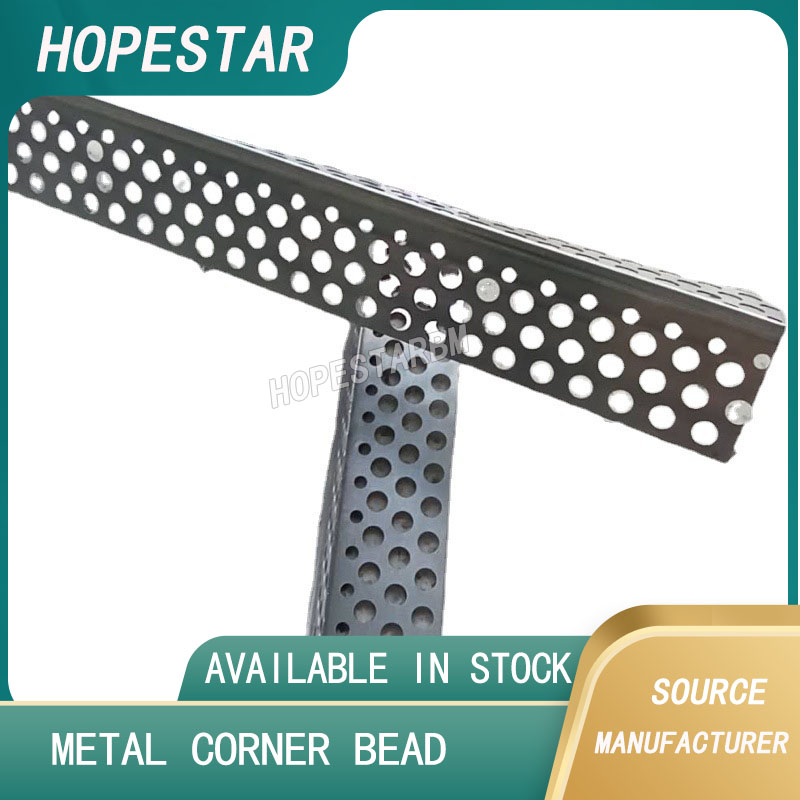
A screw-on metal corner bead is a strip of galvanized steel or aluminum designed to reinforce and protect the external corners of drywall installations. Unlike adhesive or nail-on beads, these metal beads come with pre-punched holes and are fastened directly to the drywall corners using screws, providing a strong mechanical bond. This method ensures the bead stays firmly in place throughout the finishing process and the life of the wall.
Features of Screw-On Metal Corner Bead
-
Durable Material: Made from galvanized steel or aluminum, these corner beads resist corrosion and physical damage. The metal construction makes them ideal for high-traffic areas or places prone to impact.
-
Pre-Punched Holes: The beads have evenly spaced holes along their length, allowing drywall screws to be driven through easily. These holes also help joint compound adhere securely around the bead.
-
Rigid Structure: The metal bead maintains a sharp, precise corner angle, ensuring a clean, professional finish.
-
Versatility: Suitable for standard 90-degree corners and can be cut to fit custom lengths.
Advantages of Using Screw-On Metal Corner Bead
-
Strong Mechanical Attachment
Screwing the corner bead directly into drywall studs or drywall sheets provides a solid, stable installation. This mechanical fastening reduces the chance of the bead loosening or shifting over time, a common concern with nail-on or adhesive beads. -
Superior Protection
Metal beads protect vulnerable drywall corners from chipping, dents, and cracks. The rigidity and strength of screw-on metal beads make them ideal for hallways, staircases, and other areas that face regular wear and tear. -
Easy to Align and Secure
The pre-punched holes help installers position the bead precisely and quickly fasten it in place. This results in straighter corners and less rework. -
Compatibility with Joint Compound
The holes and perforations allow joint compound to key into the bead, creating a strong bond and a smooth transition between the metal edge and drywall surface. -
Longevity
Galvanized steel beads resist rust and corrosion, maintaining the integrity of corners for years without degradation.
Installation Process of Screw-On Metal Corner Bead
Installing a screw-on metal corner bead requires attention to detail but is straightforward when following these steps:
-
Preparation
Ensure the drywall corners are clean, free from dust or loose debris. Measure the height of the corner and cut the metal bead to size with tin snips or metal cutters. -
Position the Bead
Place the corner bead firmly against the drywall corner. Align it carefully so that it forms a perfect 90-degree angle. -
Screw Attachment
Using drywall screws (commonly 1 1/4 inches or longer), fasten the bead to the drywall every 8 to 12 inches through the pre-punched holes. Use a screwdriver or drill with a clutch to avoid overdriving the screws and deforming the bead. -
Apply Joint Compound
Once the bead is securely attached, apply a coat of joint compound over the bead with a drywall knife. Feather the edges to blend the bead into the surrounding drywall. -
Sanding and Finishing
Allow the compound to dry completely, then sand it smooth. Additional coats may be necessary to achieve a seamless finish.
Tips for Best Results
-
Use galvanized screws to prevent rust and corrosion over time.
-
Wear protective gloves when handling metal beads to avoid cuts from sharp edges.
-
Ensure screws are driven flush or slightly recessed to avoid bumps under the drywall finish.
-
Check for straightness frequently to maintain a sharp corner line.
-
For curved or irregular corners, consider using flexible metal beads designed for such applications.
Where Are Screw-On Metal Corner Beads Most Useful?
-
Commercial Buildings: Areas with heavy foot traffic, such as corridors, lobbies, and public restrooms.
-
Residential Projects: High-use zones like kitchens, hallways, and children’s play areas.
-
Renovations: When reinforcing or repairing damaged corners.
-
New Construction: Providing durable, long-lasting corner protection on new drywall installations.
Comparison with Other Types of Corner Beads
-
Nail-On Metal Beads: Require hammering nails and may be more prone to loosening. Screws provide a stronger attachment.
-
Adhesive or Self-Adhesive Beads: Easier to install but less durable under heavy impact conditions.
-
Plastic or Paper-Faced Beads: Less resistant to damage and wear compared to metal beads.
Final Thoughts
Screw-on metal corner beads continue to be a reliable choice for drywall professionals seeking durable, strong, and precise corner protection. Their mechanical fastening system ensures longevity and resistance to the wear and tear that commonly damages drywall corners. Though installation takes slightly more time than adhesive alternatives, the superior durability and professional finish make screw-on metal corner beads well worth the effort.
Whether you are a contractor working on commercial or residential projects or a dedicated DIYer aiming for high-quality results, incorporating screw-on metal corner beads into your drywall finishing process can significantly enhance the strength and aesthetics of your walls.
Metal Corner Bead for Office Partition Walls
Easy Install Metal Corner Bead
Related Article