
right-angle tile trim
2024-08-14
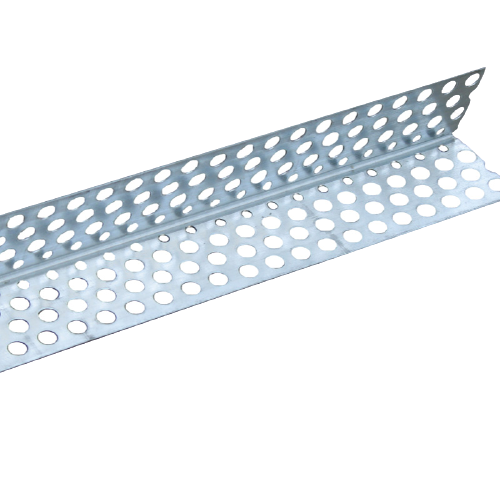
A right-angle tile trim, often referred to as a tile edge trim or corner trim, is a finishing product used to create a clean, professional edge on tiled surfaces, especially at corners where two tiled surfaces meet at a 90-degree angle. These trims protect the tile edges from chipping, provide a smooth transition between different surfaces, and enhance the overall aesthetic by giving a polished look.
Types of Right-Angle Tile Trims:
Material Options:
PVC: Affordable, available in various colors, but less durable.
Aluminum: Durable, sleek, and available in anodized finishes.
Stainless Steel: Highly durable, rust-resistant, and ideal for areas exposed to water.
Brass: Adds a luxurious touch, but requires more maintenance to avoid tarnishing.
Profile Shapes:
L-shaped (straight): Most common, sits flush against the tiles, providing a neat corner.
Round (bullnose): Creates a softer edge with a slightly rounded corner, often used for more decorative finishes.
Installation:
Installed during the tiling process, usually set into the tile adhesive alongside the tiles.
The trim's lip is placed under the edge of the tile, with the visible edge providing the finished corner or edge.
Where to Use Right-Angle Tile Trims:
External corners: On the outer edges of tiled walls, such as in bathrooms or kitchens.
Borders: To transition between different materials or tile patterns.
Stairs: On the edges of tiled staircases to protect and finish the steps.
Types of Right-Angle Tile Trims:
Material Options:
PVC: Affordable, available in various colors, but less durable.
Aluminum: Durable, sleek, and available in anodized finishes.
Stainless Steel: Highly durable, rust-resistant, and ideal for areas exposed to water.
Brass: Adds a luxurious touch, but requires more maintenance to avoid tarnishing.
Profile Shapes:
L-shaped (straight): Most common, sits flush against the tiles, providing a neat corner.
Round (bullnose): Creates a softer edge with a slightly rounded corner, often used for more decorative finishes.
Installation:
Installed during the tiling process, usually set into the tile adhesive alongside the tiles.
The trim's lip is placed under the edge of the tile, with the visible edge providing the finished corner or edge.
Where to Use Right-Angle Tile Trims:
External corners: On the outer edges of tiled walls, such as in bathrooms or kitchens.
Borders: To transition between different materials or tile patterns.
Stairs: On the edges of tiled staircases to protect and finish the steps.
metal furring wall detail
The Purpose of Metal Furring
Related Article

Ceiling wall angle, also known as perimeter angle or L-angle, is an indispensable L-shaped metal profile for suspended drywall ceiling systems. Roll-formed from cold-rolled galvanized steel, ceiling wall angle is fixed along the wall perimeter to support the ends of main channels and furring channels,
Ceiling Wall Angle – Galvanized L-Shaped Perimeter Trim for Suspended Drywall Ceilings
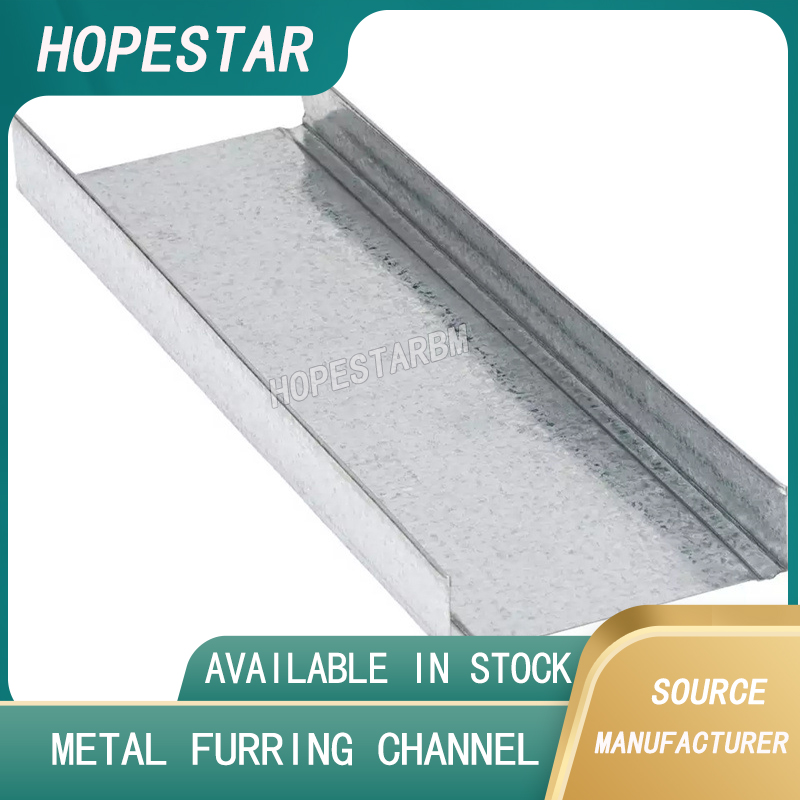
Galvanized steel profiles are the foundational metal framing components widely used in modern interior construction. Roll-formed from cold-rolled steel coated with protective zinc layer, galvanized steel profiles cover a full range of shapes including C studs, U tracks, omega channels,
Galvanized Steel Profiles – Reliable Cold Rolled Framing for Drywall Walls and Ceilings

Metal furring channel for ceiling is a vital secondary framing component widely used in suspended ceiling and drywall ceiling systems. Roll-formed from cold-rolled galvanized steel, this lightweight metal profile works together with main channels, hangers and wall angles to create a level,
Metal Furring Channel for Ceiling – Galvanized Secondary Framing for Suspended Drywall Ceilings

Metal omega channel, also widely called omega furring channel or hat channel, is an indispensable secondary metal framing profile for modern suspended ceilings and drywall wall furring systems. Named after its distinctive Ω shape, this profile is roll-formed from cold-rolled galvanized steel
Metal Omega Channel – Galvanized Omega Furring Channel for Drywall Ceiling and Wall Framing