
reslient channel
2024-05-31
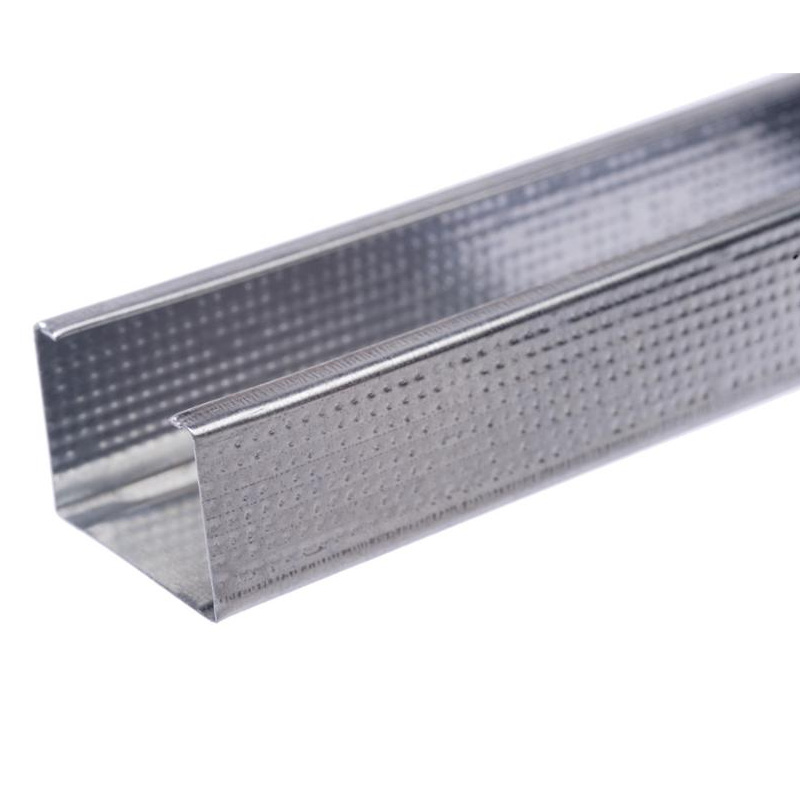
The term "Respondent Channel" may not be well-known in the construction industry, but it is an indispensable and important element. In the structure of buildings, the Respondent Channel provides stability and safety with its unique properties and functions. This article will explore in detail the definition, features, applications, installation, and importance of the Resilient Channel in the field of architecture.
Firstly, let's take a look at the basic concepts of Respondent Channel. Resilient Channel, also known as Resilient Channel or Elastic Channel, is a type of metal component used in building structures. It is usually made of galvanized steel plate, which has a certain degree of flexibility and bending resistance. The design of this metal component is aimed at bearing the weight of the building, dispersing pressure, and preventing structural deformation and cracking.
The characteristics of the Respondent Channel are mainly reflected in the following aspects:
1. Good toughness: The Resilient Channel has good toughness and can undergo certain deformation when subjected to external forces, absorbing and dispersing impact forces, thereby protecting the building structure from damage.
2. High strength: Although the Respondent Channel has a certain degree of flexibility, its strength is still very high. It can withstand significant weight and pressure, maintaining the stability and safety of the building structure.
3. Corrosion resistance: Due to the fact that Respondent Channels are usually made of galvanized steel plates, they have excellent corrosion resistance. Even in humid and rainy environments, it can maintain its performance stability and extend its service life.
In the field of architecture, the application of Respondent Channel is very extensive. It is usually used for supporting and reinforcing parts such as roofs, walls, and floors. In roof structures, the Respondent Channel can serve as a connector between purlins and roof panels, improving the load-bearing capacity and stability of the roof. In wall structures, it can serve as a support structure for the wall, preventing deformation and cracking of the wall. In the floor structure, the Respondent Channel can serve as a connector between the floor keels, enhancing the load-bearing capacity of the floor.
When installing the Respondent Channel, certain steps and specifications need to be followed. Firstly, it is necessary to determine the installation location and quantity to ensure that the Respondent Channels are evenly distributed throughout the entire building structure. Secondly, it is necessary to use appropriate tools and materials to fix the Respondent Channel in the predetermined position. During the fixing process, attention should be paid to maintaining its level and verticality to ensure installation quality.
In addition to its applications in the field of architecture, the Respondent Channel also has other potential application values. For example, in the event of natural disasters such as earthquakes, the flexibility and strength of the Relief Channel can reduce the degree of damage to buildings and improve people's life safety. In addition, with the continuous progress of technology and the continuous innovation of construction technology, Relief Channel is expected to be applied and developed in more fields.
However, although the Respondent Channel plays an important role in the field of architecture, there are still some issues that need to be noted in practical use. For example, during the installation process, it is necessary to ensure that it is firmly fixed to avoid loosening or falling off. In addition, it is necessary to regularly inspect and maintain the Respondent Channel, promptly identify and address potential issues, and ensure its stable and reliable performance.
In summary, as an important building structural component, the Respondent Channel has broad application value in the field of architecture. Its toughness, strength, and corrosion resistance make it an ideal choice for supporting and strengthening building structures. With the continuous progress and development of construction technology, we have reason to believe that the Respondent Channel will play a more important role in the future, providing more solid guarantees for people's life and property safety.
Firstly, let's take a look at the basic concepts of Respondent Channel. Resilient Channel, also known as Resilient Channel or Elastic Channel, is a type of metal component used in building structures. It is usually made of galvanized steel plate, which has a certain degree of flexibility and bending resistance. The design of this metal component is aimed at bearing the weight of the building, dispersing pressure, and preventing structural deformation and cracking.
The characteristics of the Respondent Channel are mainly reflected in the following aspects:
1. Good toughness: The Resilient Channel has good toughness and can undergo certain deformation when subjected to external forces, absorbing and dispersing impact forces, thereby protecting the building structure from damage.
2. High strength: Although the Respondent Channel has a certain degree of flexibility, its strength is still very high. It can withstand significant weight and pressure, maintaining the stability and safety of the building structure.
3. Corrosion resistance: Due to the fact that Respondent Channels are usually made of galvanized steel plates, they have excellent corrosion resistance. Even in humid and rainy environments, it can maintain its performance stability and extend its service life.
In the field of architecture, the application of Respondent Channel is very extensive. It is usually used for supporting and reinforcing parts such as roofs, walls, and floors. In roof structures, the Respondent Channel can serve as a connector between purlins and roof panels, improving the load-bearing capacity and stability of the roof. In wall structures, it can serve as a support structure for the wall, preventing deformation and cracking of the wall. In the floor structure, the Respondent Channel can serve as a connector between the floor keels, enhancing the load-bearing capacity of the floor.
When installing the Respondent Channel, certain steps and specifications need to be followed. Firstly, it is necessary to determine the installation location and quantity to ensure that the Respondent Channels are evenly distributed throughout the entire building structure. Secondly, it is necessary to use appropriate tools and materials to fix the Respondent Channel in the predetermined position. During the fixing process, attention should be paid to maintaining its level and verticality to ensure installation quality.
In addition to its applications in the field of architecture, the Respondent Channel also has other potential application values. For example, in the event of natural disasters such as earthquakes, the flexibility and strength of the Relief Channel can reduce the degree of damage to buildings and improve people's life safety. In addition, with the continuous progress of technology and the continuous innovation of construction technology, Relief Channel is expected to be applied and developed in more fields.
However, although the Respondent Channel plays an important role in the field of architecture, there are still some issues that need to be noted in practical use. For example, during the installation process, it is necessary to ensure that it is firmly fixed to avoid loosening or falling off. In addition, it is necessary to regularly inspect and maintain the Respondent Channel, promptly identify and address potential issues, and ensure its stable and reliable performance.
In summary, as an important building structural component, the Respondent Channel has broad application value in the field of architecture. Its toughness, strength, and corrosion resistance make it an ideal choice for supporting and strengthening building structures. With the continuous progress and development of construction technology, we have reason to believe that the Respondent Channel will play a more important role in the future, providing more solid guarantees for people's life and property safety.
steel profile
Light steel frame
Related Article

Ceiling wall angle, also known as perimeter angle or L-angle, is an indispensable L-shaped metal profile for suspended drywall ceiling systems. Roll-formed from cold-rolled galvanized steel, ceiling wall angle is fixed along the wall perimeter to support the ends of main channels and furring channels,
Ceiling Wall Angle – Galvanized L-Shaped Perimeter Trim for Suspended Drywall Ceilings
Galvanized steel profiles are the foundational metal framing components widely used in modern interior construction. Roll-formed from cold-rolled steel coated with protective zinc layer, galvanized steel profiles cover a full range of shapes including C studs, U tracks, omega channels,
Galvanized Steel Profiles – Reliable Cold Rolled Framing for Drywall Walls and Ceilings

Metal furring channel for ceiling is a vital secondary framing component widely used in suspended ceiling and drywall ceiling systems. Roll-formed from cold-rolled galvanized steel, this lightweight metal profile works together with main channels, hangers and wall angles to create a level,
Metal Furring Channel for Ceiling – Galvanized Secondary Framing for Suspended Drywall Ceilings

Metal omega channel, also widely called omega furring channel or hat channel, is an indispensable secondary metal framing profile for modern suspended ceilings and drywall wall furring systems. Named after its distinctive Ω shape, this profile is roll-formed from cold-rolled galvanized steel
Metal Omega Channel – Galvanized Omega Furring Channel for Drywall Ceiling and Wall Framing