Resilient Channel vs. Metal Furring Channel
When designing a wall or ceiling assembly, choosing the right framing component is essential for both structural integrity and acoustic privacy. Two of the most commonly confused components are the metal furring channel (hat channel) and the resilient channel. While they may look similar, their impact on sound transmission is drastically different.
This guide provides a detailed comparison between resilient channel and metal furring channel for sound to help you make the best choice for your project.
What is Metal Furring Channel?
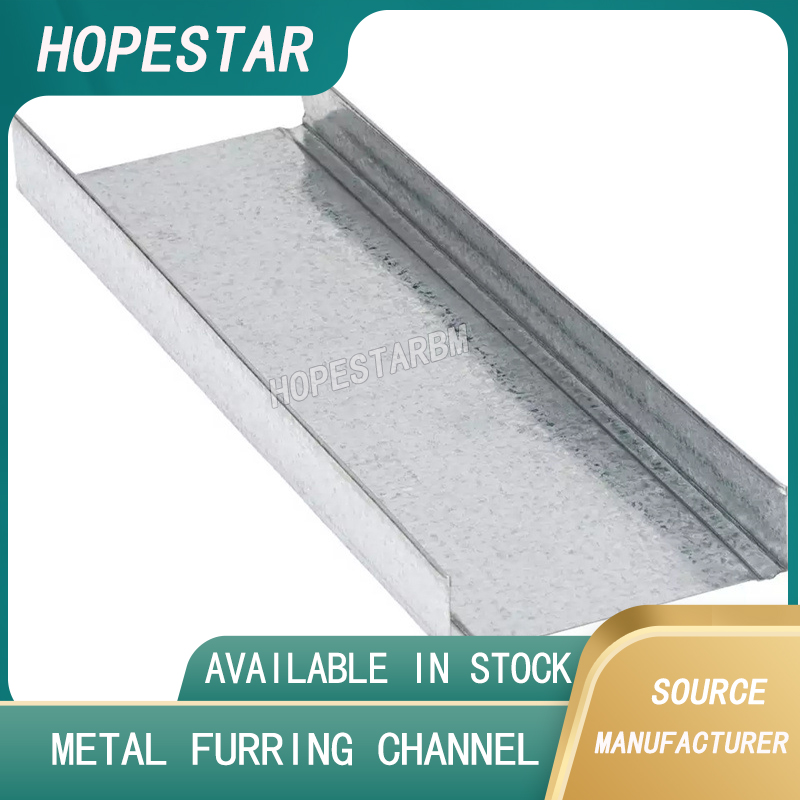
Often referred to as hat channel due to its profile, a metal furring channel is a rigid, U-shaped galvanized steel component. Its primary purpose is to "furr out" a surface, providing a level plane for drywall installation on uneven masonry walls or ceiling joists.
From an acoustic standpoint, metal furring channels are conductive. Because they are screwed directly and tightly to the studs or joists, they create a mechanical bridge. Sound vibrations hit the drywall, travel through the screws into the rigid metal channel, and pass directly into the building structure. This makes them an excellent choice for leveling and structural support, but a poor choice for high-performance soundproofing.
What is Resilient Channel?
A resilient channel (RC) is a specially engineered metal rail designed to improve the Sound Transmission Class (STC) rating of a partition. Unlike the hat channel, it features a unique asymmetrical shape—usually with only one "leg" or flange that attaches to the stud.
The secret to the resilient channel’s success is decoupling. It acts as a spring, allowing the drywall to "float" off the studs. When sound waves hit the drywall, the resilient channel flexes, absorbing the vibrational energy and preventing it from passing through the wall framing.
Key Differences in Sound Performance
1. Acoustic Isolation (Decoupling)
-
Metal Furring Channel: Provides zero decoupling. It creates a rigid connection that facilitates sound flanking.
-
Resilient Channel: Provides significant decoupling. It breaks the vibration path between the gypsum board and the wooden or metal studs.
2. STC Ratings
In identical wall assemblies, replacing a rigid metal furring channel with a resilient channel can increase the STC rating by 3 to 5 points (or more, depending on the assembly). For home theaters, recording studios, or multi-family apartments, this difference is the gap between hearing a neighbor’s conversation and enjoying total silence.
3. Installation Sensitivity
This is where many projects fail.
-
Metal Furring Channels are very easy to install; you simply screw them down.
-
Resilient Channels are highly sensitive. If a contractor uses a screw that is too long and it passes through the channel and into the wood stud, the channel is "short-circuited." This creates a rigid bridge that completely destroys the acoustic benefit, turning the expensive resilient channel into a standard furring strip.
Which Should You Choose?
-
Choose Metal Furring Channel if: You are leveling a basement wall, finishing a commercial space where noise isn't a concern, or if you are using specialized sound isolation clips (which provide even better soundproofing than resilient channels when paired with hat channels).
-
Choose Resilient Channel if: You are on a budget but need to meet specific building codes for noise reduction between apartments or bedrooms, and you have a skilled installation team that understands how to avoid short-circuiting the system.
Conclusion
In the battle of resilient channel vs. metal furring channel for sound, the resilient channel is the clear winner for noise reduction. However, if your budget allows, the ultimate acoustic setup involves using metal furring channels paired with rubber sound isolation clips, which offer superior decoupling and are much harder to install incorrectly. Always consult with an acoustic engineer to ensure your assembly meets the desired STC goals.
The Ultimate Guide to Galvanized Steel Metal Furring Channel for Drywall Ceiling Installation
Standard Spacing for Metal Furring Channel in Suspended Ceiling Systems
Related Article