
Plasterboard Profile.Gypsum board and calcium silicate board
2022-10-01
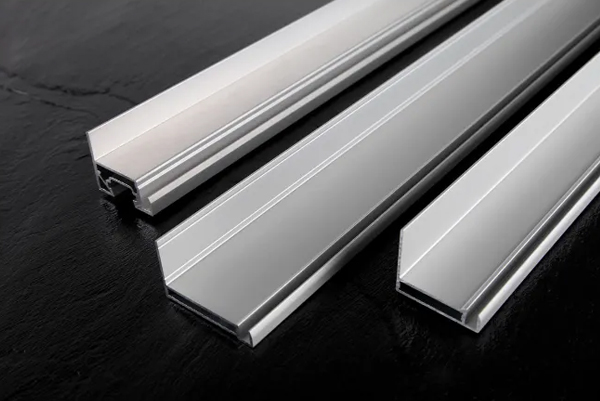
Plasterboard Profile.Gypsum board and calcium silicate board. Both plasterboard and calcium silicate board can be used as a ceiling or partition, but there is a difference between the two.
The plasterboard has paper plaster, cloth plaster and no paper plaster. Paper gypsum is made of building gypsum as the main raw material. in addition, some appropriate auxiliary materials, such as fiber, binder, foaming agent, accelerator and retarder, are added to form the slurry. In production, the slurry is poured on the moving tissue paper, and then covered with a layer of paper after forming, and then the two sides are made of paper through the processes of curing, cutting, drying, edge cutting and so on. The sheet-like products with gypsum core in the middle are good plasterboard.
Paper gypsum can be divided into ordinary paper gypsum (code P), water-resistant paper gypsum (code S), fire-resistant paper gypsum (code H) and water and fire resistance (code SH).
Paperless gypsum referred to as fiber plasterboard, it is a kind of gypsum board with gypsum powder as the main raw material and a variety of fibers such as glass fiber and plant fiber as strengthening materials, without the need for face protection paper, so it is more resistant to impact than paper gypsum.
The specification of plasterboard is generally 1220 to 2440, and the thickness is 9.5mm. In other words, the thickness of the plasterboard should not be less than 9.50mm, according to the national standard mandatory requirements, plasterboard fire stability time should not be less than 20 minutes.
Gypsum board has the functions of moisturizing, heat insulation, fire prevention and moisture protection, as well as light weight, high strength, energy saving and environmental protection. The disadvantage is that the gap is difficult to deal with, easy to crack, and the cover is easy to be damaged when used as partition material.
The main raw materials of calcium silicate board are high-grade cement, natural fiber, refined quartz sand, imported wood pulp and other lightweight plates pressed at high temperature. Low thermal conductivity, good moisturizing performance, service life of more than 30 years, not easy to damage and fracture. It has all the advantages of plasterboard.
The common specification of calcium silicate board is 1220*2440mm, and its thickness is 6mm, 8mm, 10mm, 12mm, 15mm, 20mm, 24mm and so on.
The workability of gypsum board is better than that of calcium silicate board, because calcium silicate board is hard, difficult to cut and dusty when cutting.
The plasterboard has paper plaster, cloth plaster and no paper plaster. Paper gypsum is made of building gypsum as the main raw material. in addition, some appropriate auxiliary materials, such as fiber, binder, foaming agent, accelerator and retarder, are added to form the slurry. In production, the slurry is poured on the moving tissue paper, and then covered with a layer of paper after forming, and then the two sides are made of paper through the processes of curing, cutting, drying, edge cutting and so on. The sheet-like products with gypsum core in the middle are good plasterboard.
Paper gypsum can be divided into ordinary paper gypsum (code P), water-resistant paper gypsum (code S), fire-resistant paper gypsum (code H) and water and fire resistance (code SH).
Paperless gypsum referred to as fiber plasterboard, it is a kind of gypsum board with gypsum powder as the main raw material and a variety of fibers such as glass fiber and plant fiber as strengthening materials, without the need for face protection paper, so it is more resistant to impact than paper gypsum.
The specification of plasterboard is generally 1220 to 2440, and the thickness is 9.5mm. In other words, the thickness of the plasterboard should not be less than 9.50mm, according to the national standard mandatory requirements, plasterboard fire stability time should not be less than 20 minutes.
Gypsum board has the functions of moisturizing, heat insulation, fire prevention and moisture protection, as well as light weight, high strength, energy saving and environmental protection. The disadvantage is that the gap is difficult to deal with, easy to crack, and the cover is easy to be damaged when used as partition material.
The main raw materials of calcium silicate board are high-grade cement, natural fiber, refined quartz sand, imported wood pulp and other lightweight plates pressed at high temperature. Low thermal conductivity, good moisturizing performance, service life of more than 30 years, not easy to damage and fracture. It has all the advantages of plasterboard.
The common specification of calcium silicate board is 1220*2440mm, and its thickness is 6mm, 8mm, 10mm, 12mm, 15mm, 20mm, 24mm and so on.
The workability of gypsum board is better than that of calcium silicate board, because calcium silicate board is hard, difficult to cut and dusty when cutting.
Metal Profile Meaning.How to distinguish aluminum alloy profiles?
Gypsum Board.How to construct the kitchen ceiling?
Related Article

Ceiling wall angle, also known as perimeter angle or L-angle, is an indispensable L-shaped metal profile for suspended drywall ceiling systems. Roll-formed from cold-rolled galvanized steel, ceiling wall angle is fixed along the wall perimeter to support the ends of main channels and furring channels,
Ceiling Wall Angle – Galvanized L-Shaped Perimeter Trim for Suspended Drywall Ceilings
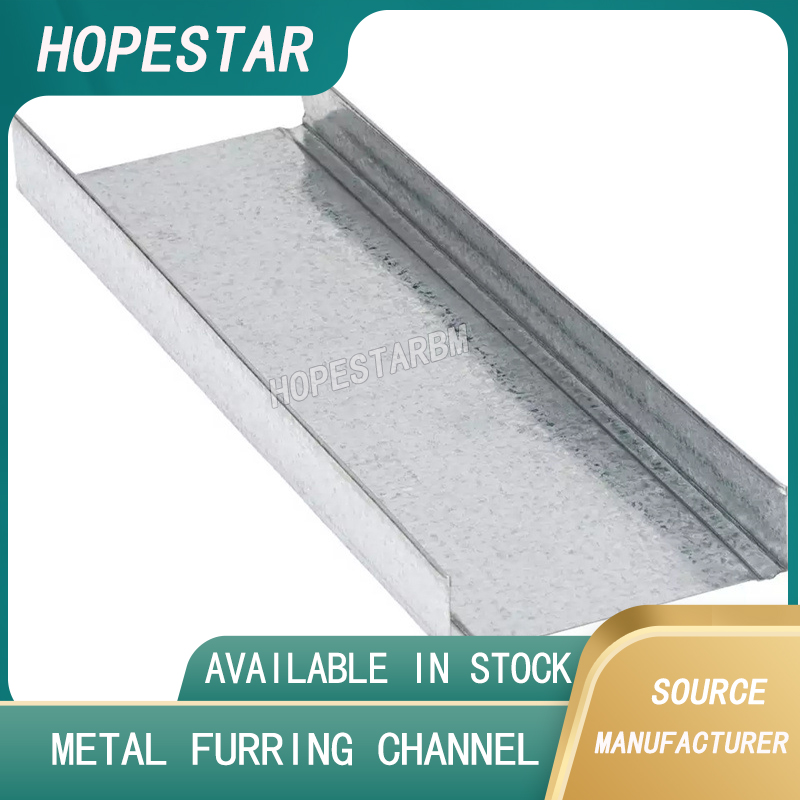
Galvanized steel profiles are the foundational metal framing components widely used in modern interior construction. Roll-formed from cold-rolled steel coated with protective zinc layer, galvanized steel profiles cover a full range of shapes including C studs, U tracks, omega channels,
Galvanized Steel Profiles – Reliable Cold Rolled Framing for Drywall Walls and Ceilings

Metal furring channel for ceiling is a vital secondary framing component widely used in suspended ceiling and drywall ceiling systems. Roll-formed from cold-rolled galvanized steel, this lightweight metal profile works together with main channels, hangers and wall angles to create a level,
Metal Furring Channel for Ceiling – Galvanized Secondary Framing for Suspended Drywall Ceilings

Metal omega channel, also widely called omega furring channel or hat channel, is an indispensable secondary metal framing profile for modern suspended ceilings and drywall wall furring systems. Named after its distinctive Ω shape, this profile is roll-formed from cold-rolled galvanized steel
Metal Omega Channel – Galvanized Omega Furring Channel for Drywall Ceiling and Wall Framing