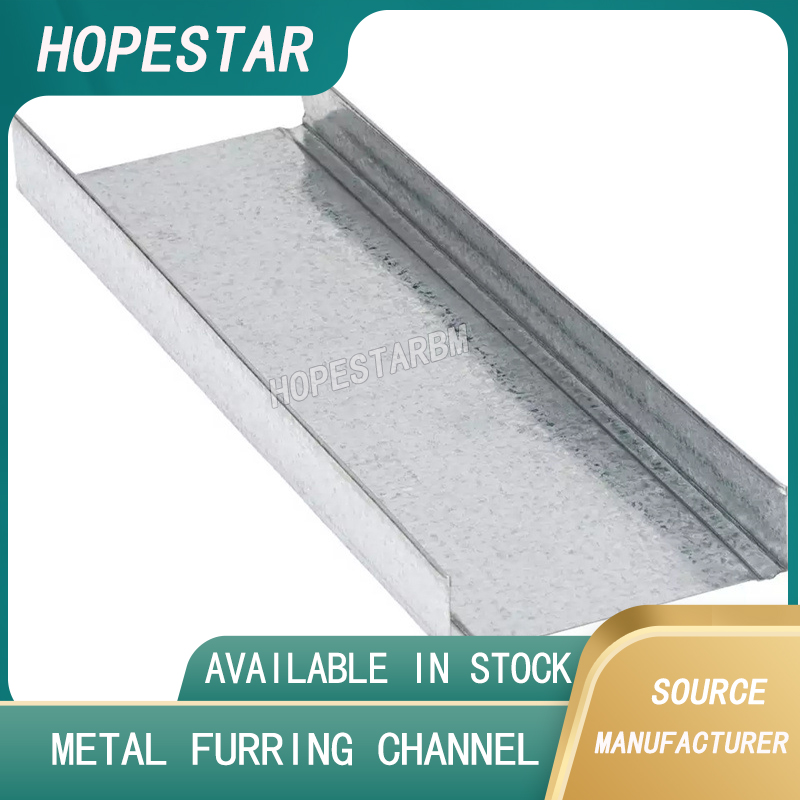
Optimizing Interior Structures with Furring Channel Systems
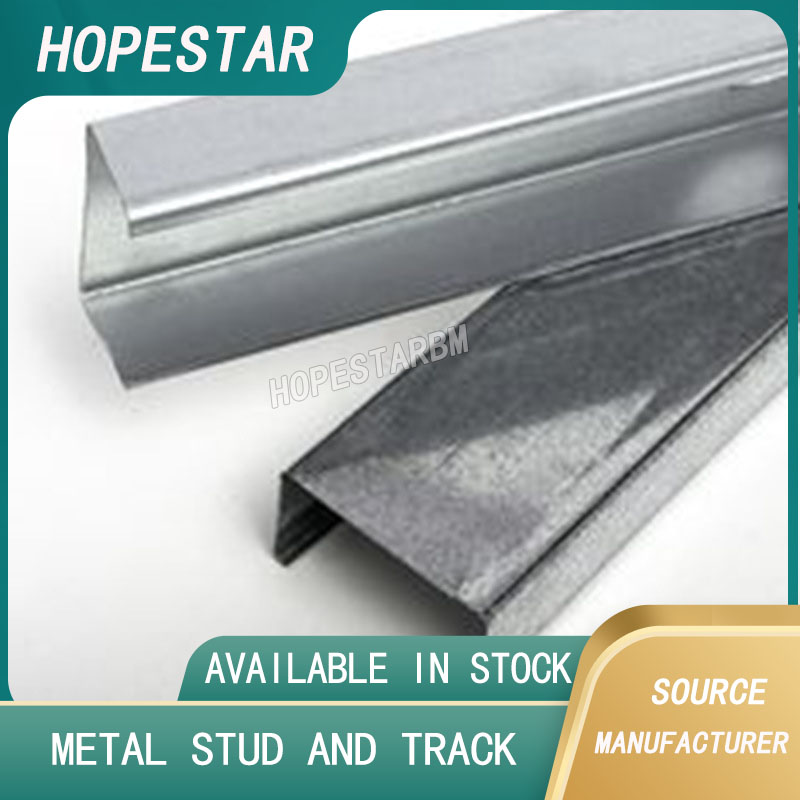
In modern architecture, the secret to a flawless interior finish isn’t just the quality of the paint or the skill of the taper—it is the precision of the substructure. Among the most essential components in the steel framing arsenal is the furring channel, often referred to in the trade as "hat channel" due to its distinct profile. While it remains hidden behind layers of gypsum board, its role in ensuring structural flatness and moisture management is unparalleled.
What is a Furring Channel?
A furring channel is a hat-shaped, corrosion-resistant steel component used to "furr out" a surface. This process involves creating a leveled plane on an existing wall or ceiling substrate. Whether you are dealing with uneven masonry, damp concrete, or overhead steel joists, the furring channel provides the rigid skeleton necessary for a professional drywall attachment.
The Solution for Uneven Substrates
One of the primary challenges in renovation and commercial construction is dealing with non-plumb surfaces. Concrete blocks and poured-in-place walls rarely offer a perfectly flat vertical plane. By installing furring channels vertically or horizontally against these rough surfaces, contractors can create a shimmed, perfectly level grid.
This "floating" surface ensures that when the drywall is installed, there are no unsightly bows or waves. For high-end residential projects where "Level 5" finishes are required, the structural integrity provided by a high-quality galvanized furring channel is non-negotiable.
Acoustic Performance and Decoupling
Beyond mere aesthetics, furring channels play a vital role in the science of soundproofing. When attached to ceiling joists or wall studs using resilient sound isolation clips, the furring channel acts as a decoupling element. It breaks the direct path of vibration (sound) traveling through the building’s structure.
This application is particularly critical in multi-family housing and commercial office spaces. By creating a small air gap between the structural wall and the finish layer, the furring channel significantly improves the Sound Transmission Class (STC) rating of the assembly, ensuring privacy and comfort.
Moisture Management and Durability
Unlike traditional wooden furring strips, steel channels are impervious to the elements. In basements or exterior-facing masonry walls, moisture can often seep through the substrate. Wood strips are prone to rot, mold, and warping under these conditions.
Galvanized furring channels, however, are engineered to withstand humid environments. They do not provide a food source for mold and will not twist or "walk" as temperatures change. This dimensional stability ensures that the corners of your walls won't crack and the screws won't pop over time, a common issue with timber-based framing.
Installation Efficiency
Efficiency on the job site translates directly to profitability. Modern furring channels are designed for rapid installation. They can be easily cut with aviation snips and secured using powder-actuated tools or concrete screws. Because they are lightweight and stackable, logistics and on-site handling are significantly simplified compared to heavier lumber.
The standard 7/8-inch or 1-1/2-inch depths allow for just enough clearance to run electrical conduits or small-diameter plumbing behind the drywall without the need to deep-trench the existing masonry.
Final Verdict
The furring channel is more than just a piece of bent metal; it is a versatile engineering tool that solves the three biggest headaches in construction: uneven surfaces, noise transfer, and moisture damage. By choosing high-gauge, galvanized steel channels, builders ensure that their interior spaces remain as straight and sturdy fifty years from now as they were on the day of inspection.
For any professional aiming for a crisp, flat, and durable finish, the furring channel isn't just an option—it is the foundation of excellence.
A Comprehensive Guide to Z Metal Corner Bead Sizes
Why Metal Corner Bead Remains the Gold Standard for Drywall Finishing
Related Article