
nogging track
2024-08-12
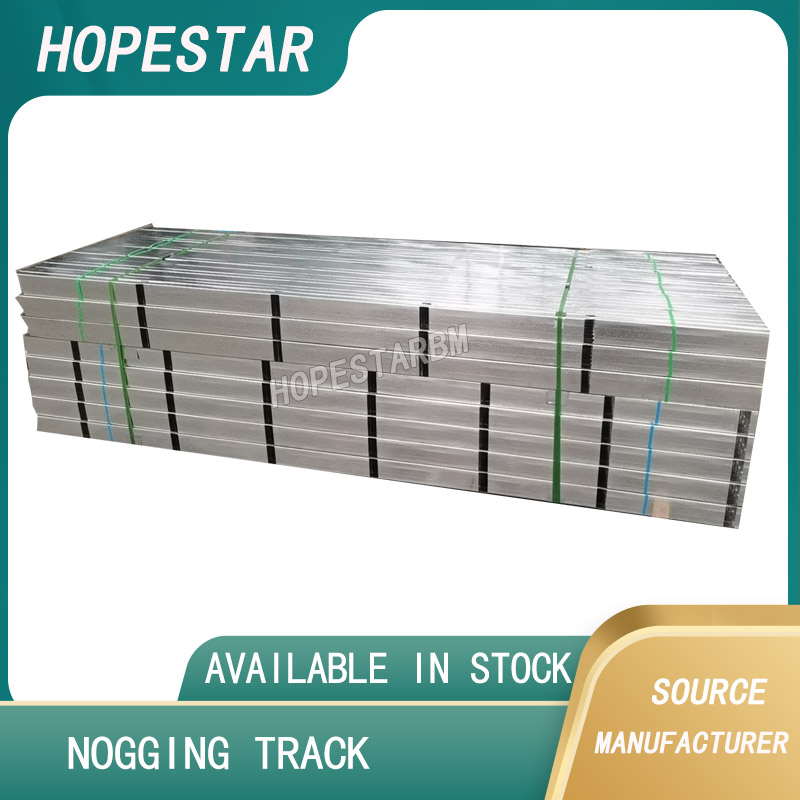
A nogging track is a metal or wooden component used in construction, particularly in framing systems for walls. It serves as a horizontal bracing element between vertical studs in a wall, helping to prevent the studs from twisting or buckling. The term "nogging" traditionally refers to the infill between studs in timber framing, but in modern construction, especially with metal framing, nogging tracks are used to reinforce the frame.
Purpose and Function of Nogging Tracks
Structural Stability:
Structural Stability:
Bracing: Nogging tracks provide lateral support to vertical studs, ensuring that they remain straight and aligned. This is crucial in tall walls where the studs might otherwise bend or twist under load.
Load Distribution: They help distribute loads across the frame, reducing stress on individual studs and improving the overall strength of the wall.
Installation Support:
Load Distribution: They help distribute loads across the frame, reducing stress on individual studs and improving the overall strength of the wall.
Installation Support:
Drywall Support: In walls that will be covered with drywall or other panels, nogging tracks provide additional attachment points for securing these materials. This helps prevent the drywall from bowing or flexing between studs.
Utility Routing: Nogging tracks can be used to support pipes, electrical conduits, or other utilities that run horizontally through the wall, keeping them securely in place.
Utility Routing: Nogging tracks can be used to support pipes, electrical conduits, or other utilities that run horizontally through the wall, keeping them securely in place.
Installation of Nogging Tracks
Placement:
Placement:
Horizontal Positioning: Nogging tracks are typically installed horizontally between the vertical studs. They are usually positioned at mid-height or at specific intervals along the wall height, depending on the design requirements.
Alignment: The track should be aligned perfectly with the studs to ensure even support across the wall.
Fastening:
Alignment: The track should be aligned perfectly with the studs to ensure even support across the wall.
Fastening:
Metal Studs: For metal framing, nogging tracks are usually attached using self-drilling screws or rivets. The screws pass through the track and into the stud, securing the connection.
Wood Studs: In timber framing, nails or screws are used to attach wooden nogging tracks to the studs. Care must be taken to ensure the connections are strong and do not split the wood.
Spacing:
Wood Studs: In timber framing, nails or screws are used to attach wooden nogging tracks to the studs. Care must be taken to ensure the connections are strong and do not split the wood.
Spacing:
The spacing of nogging tracks depends on the wall height, the stud material, and the load-bearing requirements. In general, nogging tracks are placed every 3 to 4 feet vertically along the wall.
Building Codes: Local building codes may specify the required spacing for nogging tracks, especially in load-bearing walls or those exposed to high wind or seismic activity.
Building Codes: Local building codes may specify the required spacing for nogging tracks, especially in load-bearing walls or those exposed to high wind or seismic activity.
Applications of Nogging Tracks
carport hat channel
Related Article

Ceiling wall angle, also known as perimeter angle or L-angle, is an indispensable L-shaped metal profile for suspended drywall ceiling systems. Roll-formed from cold-rolled galvanized steel, ceiling wall angle is fixed along the wall perimeter to support the ends of main channels and furring channels,
Ceiling Wall Angle – Galvanized L-Shaped Perimeter Trim for Suspended Drywall Ceilings
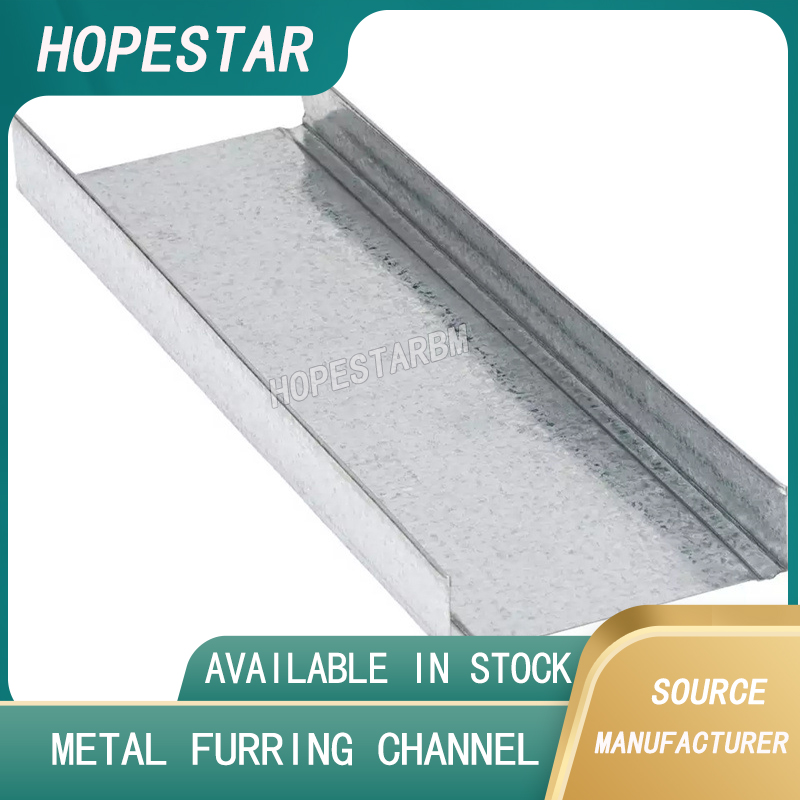
Galvanized steel profiles are the foundational metal framing components widely used in modern interior construction. Roll-formed from cold-rolled steel coated with protective zinc layer, galvanized steel profiles cover a full range of shapes including C studs, U tracks, omega channels,
Galvanized Steel Profiles – Reliable Cold Rolled Framing for Drywall Walls and Ceilings

Metal furring channel for ceiling is a vital secondary framing component widely used in suspended ceiling and drywall ceiling systems. Roll-formed from cold-rolled galvanized steel, this lightweight metal profile works together with main channels, hangers and wall angles to create a level,
Metal Furring Channel for Ceiling – Galvanized Secondary Framing for Suspended Drywall Ceilings

Metal omega channel, also widely called omega furring channel or hat channel, is an indispensable secondary metal framing profile for modern suspended ceilings and drywall wall furring systems. Named after its distinctive Ω shape, this profile is roll-formed from cold-rolled galvanized steel
Metal Omega Channel – Galvanized Omega Furring Channel for Drywall Ceiling and Wall Framing