Metal Studs for Drywall
Metal studs have become an essential component in modern construction, particularly in the framing of drywall systems. Unlike traditional wood framing, steel metal studs offer numerous advantages including strength, fire resistance, and dimensional stability. These attributes make them a preferred building material in both residential and commercial drywall installations.
What Are Metal Studs?
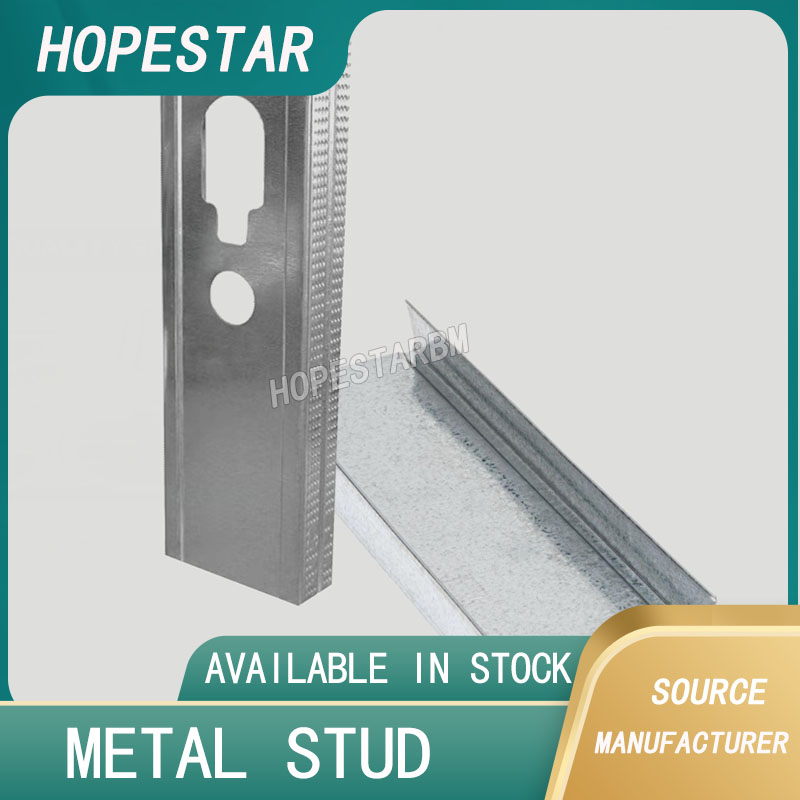
Metal studs are vertical framing components made from galvanized steel, used to support drywall or other wallboards in wall and ceiling applications. Typically formed into a “C” or “U” shape, they function as studs (vertical elements) and tracks (horizontal elements), and are available in various gauges and sizes to suit different construction needs.
Advantages of Using Metal Studs for Drywall
-
Fire Resistance
One of the primary benefits of metal studs is that they are non-combustible. In buildings where fire safety is a top priority, such as hospitals, schools, and commercial properties, metal studs provide peace of mind and can meet strict fire code regulations. -
Durability and Strength
Galvanized steel does not warp, split, or crack like wood. This results in longer-lasting structures that maintain their integrity over time. Metal studs also resist termites, mold, and rot, making them a durable choice for high-humidity or pest-prone areas. -
Lightweight and Easy to Transport
Steel studs are lighter than wood, which makes them easier to handle, especially in multi-floor construction projects. Their uniformity also ensures quicker and more precise installation, reducing construction time and labor costs. -
Environmentally Friendly
Most steel used in construction is recyclable. Using metal studs supports green building practices and LEED certification, as steel can be reused without losing its strength or performance qualities.
Common Applications
-
Interior Partition Walls: Metal studs are extensively used for non-load-bearing partition walls in offices, apartments, and commercial buildings.
-
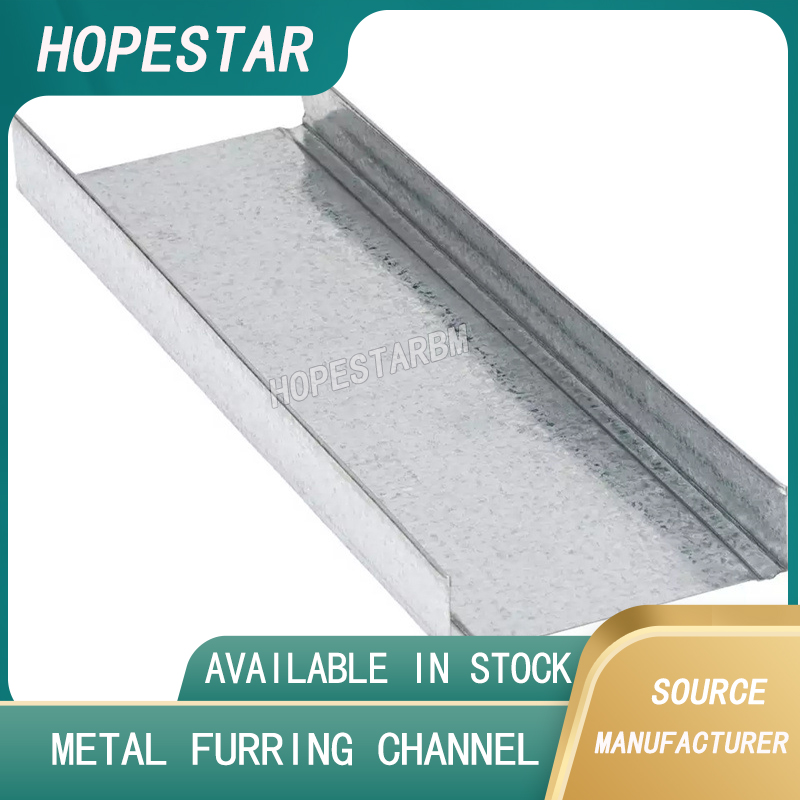
Ceiling Systems: Metal furring channels and studs are also applied in suspended ceiling frameworks.
-
Pre-Fabricated Modules: In modular construction, metal studs are often pre-cut and assembled into panels for faster on-site erection.
Typical Sizes and Profiles
Metal studs are available in a variety of profiles, including:
-
C-Studs (Standard Wall Studs): Most commonly used in wall framing.
-
U-Tracks: Serve as the top and bottom horizontal rails.
-
Furring Channels: Used in ceiling systems and wall furring.
Standard dimensions typically range from:
-
Width: 38mm to 150mm (1.5” to 6”)
-
Gauge: 25 to 16 gauge (thicker gauge = stronger stud)
-
Length: Usually 8 to 12 feet, but can be custom cut.
Light Gauge Steel Metal Studs and Track
Galvanized Steel Nogging Track Metal Stud
Related Article