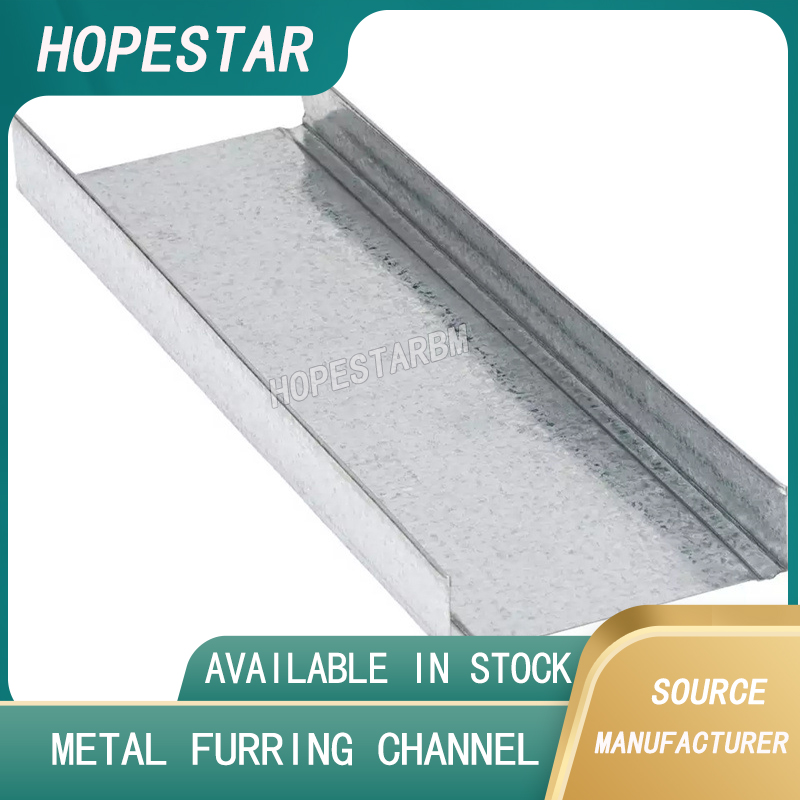
Metal stud sizes
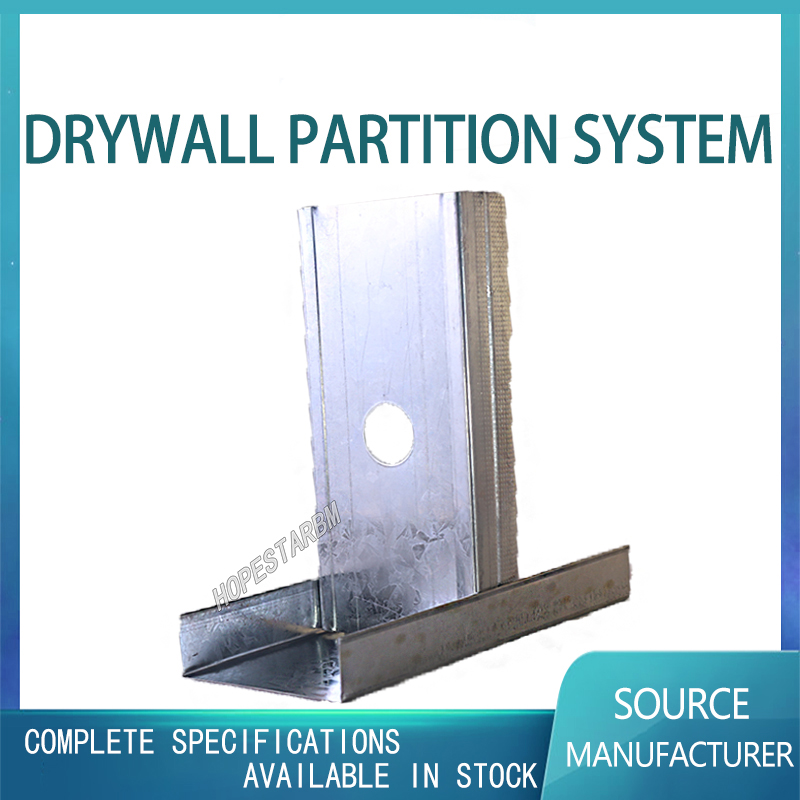
Metal studs are widely used in construction as a lightweight and durable alternative to traditional wood studs. They are made from galvanized steel and come in various sizes to suit different building needs. Below are the common metal stud sizes based on their dimensions and applications:
1. Width (Flange Size)
-
1-5/8 inches (41 mm): The most commonly used size for residential and light commercial applications.
-
2-1/2 inches (64 mm): Often used in commercial construction, especially for interior partitions where additional strength is needed.
-
3-1/2 inches (89 mm): Typically used in commercial and larger buildings for structural support and when more space is required for wiring, insulation, or plumbing.
-
4 inches (102 mm): Commonly used for fire-rated partitions and heavier applications where more stability and load-bearing capacity is required.
2. Thickness (Gauge)
The thickness of metal studs is specified by gauge, which indicates the metal’s strength and durability. Common gauges used for metal studs are:
-
20-gauge: Lightweight and commonly used for non-load-bearing interior partitions.
-
18-gauge: Used for applications requiring a bit more strength, such as in fire-rated partitions or walls subject to higher impact.
-
16-gauge: Typically used for load-bearing partitions, structural applications, and in areas requiring extra durability.
-
14-gauge: The thickest commonly used gauge for high-strength applications, such as in exterior walls, structural framing, or areas subject to heavy loads.
3. Length
-
Metal studs are generally available in 8-foot (2.44 meters), 10-foot (3.05 meters), and 12-foot (3.66 meters) lengths.
-
They can be cut to size on-site to meet specific project requirements.
4. Types of Metal Studs
-
Standard Studs: Used for general construction in both residential and commercial applications.
-
Fire-Rated Studs: These are designed to withstand higher temperatures for a specific period and are used in fire-rated walls.
-
Hat Channel Studs: A specific type of stud used to create resilient, soundproof partitions and ceilings.
-
Track Studs: Used as the horizontal framing components in conjunction with vertical studs to create a framework for drywall.
5. Applications
-
Non-load-bearing partitions: In residential, office, and commercial spaces.
-
Load-bearing walls: In larger buildings, metal studs are used to support structural loads, such as in multi-story buildings.
-
Ceiling systems: Metal studs can also be used for framing ceilings in commercial and industrial applications.
-
Fire-rated walls: Fire-resistant studs are used in areas requiring fire-rated partitions, such as around electrical rooms, stairwells, and mechanical rooms.
Conclusion
Metal studs come in a variety of sizes, from 1-5/8 inches to 4 inches in width and 20-gauge to 14-gauge thickness, offering flexibility for different applications. The choice of size depends on the specific requirements of the project, such as structural needs, fire resistance, and acoustic performance.
Characteristics of Metal Building Accessories
Drywall furring hat channel installation
Related Article