
Metal Stud Sizes and Specifications
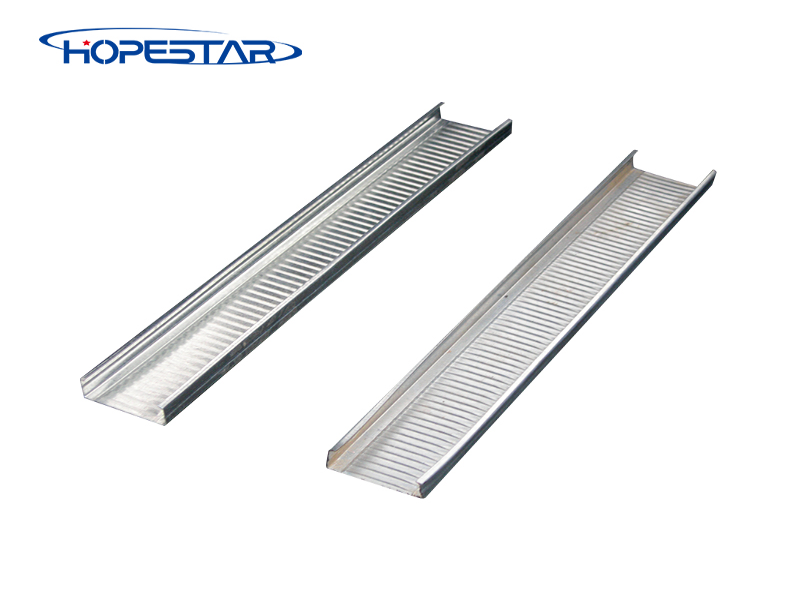
Metal studs come in various sizes and thicknesses to accommodate different construction needs. Their dimensions are typically standardized based on width, depth, and gauge (thickness). Below is an overview of common metal stud sizes:
1. Standard Widths (Flange Size)
-
1 5/8 inches (41 mm) – Used for light-duty interior walls and partitions.
-
2 1/2 inches (64 mm) – Common for non-load-bearing interior walls.
-
3 5/8 inches (92 mm) – Standard for commercial and residential walls.
-
4 inches (102 mm) – Often used in heavier-duty applications.
-
6 inches (152 mm) – Used for structural walls and tall partitions.
-
8 inches (203 mm) and 10 inches (254 mm) – Typically for load-bearing or exterior applications.
2. Stud Depths (Web Size)
-
1 1/4 inches (32 mm) – Minimum flange size for standard metal studs.
-
1 3/8 inches to 2 inches (35–51 mm) – Used for stronger framing applications.
3. Thickness (Gauge Size)
-
25 Gauge (0.018 inches / 0.46 mm) – Light-duty, mostly for residential or partition walls.
-
20 Gauge (0.035 inches / 0.89 mm) – Standard for commercial non-load-bearing walls.
-
18 Gauge (0.045 inches / 1.14 mm) – Medium-duty applications.
-
16 Gauge (0.054 inches / 1.37 mm) – Used for structural framing and load-bearing walls.
-
14 Gauge (0.068 inches / 1.73 mm) – Heavy-duty applications and exterior framing.
Selection Considerations
-
Residential projects typically use 25 or 20 gauge with 2 1/2" or 3 5/8" width.
-
Commercial buildings often use 3 5/8", 4", or 6" wide studs with 20 or 18 gauge.
-
Structural applications require 16 gauge or thicker with wider sizes like 6", 8", or 10".
What is the difference between resilient channel and furring channel?
Metal Furring Channel vs Wood
Related Article



