
metal stud deflection track
2024-07-24
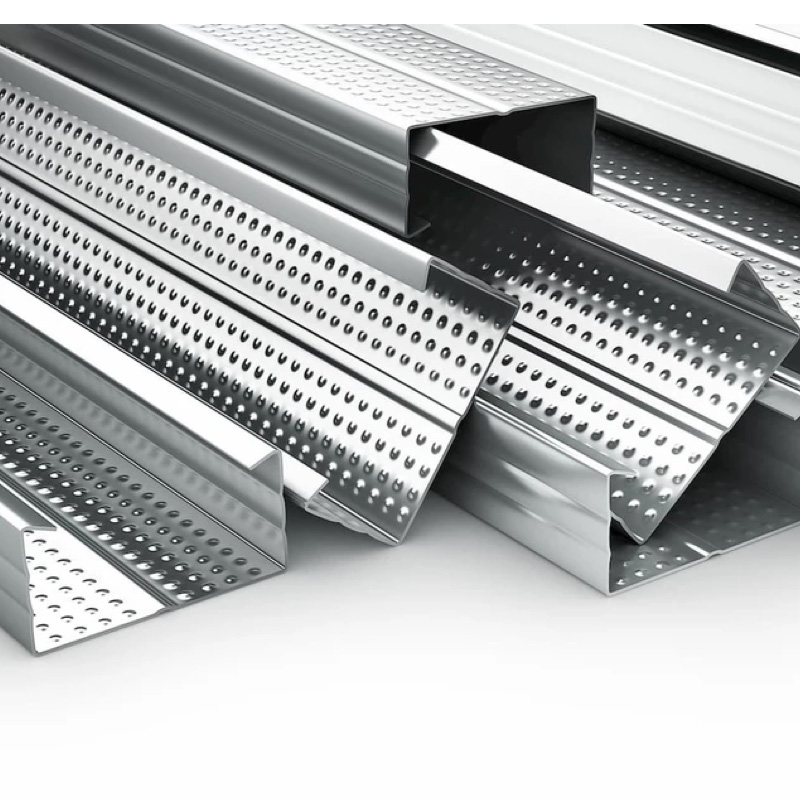
The application of metal keel (usually referred to as metal stud) is very extensive. These metal keels are not only used to support structures such as walls and ceilings, but also play a critical role in hidden projects such as pipeline and electrical wiring. There are various reasons for the deformation of metal keels, including but not limited to the following:
1. Improper material selection: The material, thickness, strength, and other parameters of the metal keel directly affect its ability to resist deformation. If the material selection is improper, it can easily cause deformation of the keel when subjected to load.
2. Design defects: Unreasonable design or calculation errors may also cause deformation of the metal keel. For example, if the span of the keel is too large, the spacing is too wide, or the design of the connecting components is unreasonable, it may cause deformation of the keel under stress.
3. Construction quality: Construction quality also has a significant impact on the deformation of metal keels. If there are problems such as non-standard installation and loose connections during the construction process, it is easy to cause uneven stress on the keel, resulting in deformation.
4. Environmental factors: Temperature, humidity, and other environmental factors may also affect the deformation of metal keels. For example, in high temperature or high humidity environments, metal keels are prone to thermal expansion, contraction, or corrosion, leading to deformation.
The manifestation of metal keel deformation in track system
The deformation problem of metal keel is particularly prominent in the track system. Track systems are typically used to support structures such as ceilings and partitions, and their stability and flatness are crucial for their functionality. The deformation of metal keel may cause the following problems in the track system:
1. Uneven track: The deformation of metal keels can cause uneven tracks, affecting the installation and use of structures such as ceilings and partitions.
2. Loose track: Deformation may also lead to loose connections between the track and the keel, causing the track system to lose stability.
3. Safety hazards: Severe deformation may even cause safety hazards, such as ceiling detachment, wall collapse, etc.
1. Improper material selection: The material, thickness, strength, and other parameters of the metal keel directly affect its ability to resist deformation. If the material selection is improper, it can easily cause deformation of the keel when subjected to load.
2. Design defects: Unreasonable design or calculation errors may also cause deformation of the metal keel. For example, if the span of the keel is too large, the spacing is too wide, or the design of the connecting components is unreasonable, it may cause deformation of the keel under stress.
3. Construction quality: Construction quality also has a significant impact on the deformation of metal keels. If there are problems such as non-standard installation and loose connections during the construction process, it is easy to cause uneven stress on the keel, resulting in deformation.
4. Environmental factors: Temperature, humidity, and other environmental factors may also affect the deformation of metal keels. For example, in high temperature or high humidity environments, metal keels are prone to thermal expansion, contraction, or corrosion, leading to deformation.
The manifestation of metal keel deformation in track system
The deformation problem of metal keel is particularly prominent in the track system. Track systems are typically used to support structures such as ceilings and partitions, and their stability and flatness are crucial for their functionality. The deformation of metal keel may cause the following problems in the track system:
1. Uneven track: The deformation of metal keels can cause uneven tracks, affecting the installation and use of structures such as ceilings and partitions.
2. Loose track: Deformation may also lead to loose connections between the track and the keel, causing the track system to lose stability.
3. Safety hazards: Severe deformation may even cause safety hazards, such as ceiling detachment, wall collapse, etc.
z furring channel installation
standard length of metal furring channel
Related Article

Ceiling wall angle, also known as perimeter angle or L-angle, is an indispensable L-shaped metal profile for suspended drywall ceiling systems. Roll-formed from cold-rolled galvanized steel, ceiling wall angle is fixed along the wall perimeter to support the ends of main channels and furring channels,
Ceiling Wall Angle – Galvanized L-Shaped Perimeter Trim for Suspended Drywall Ceilings
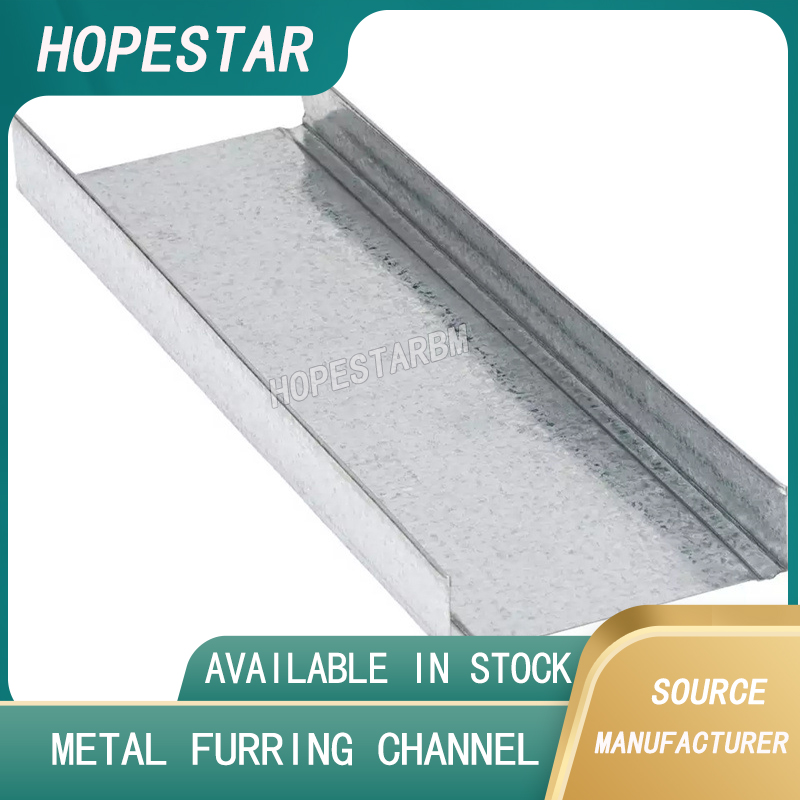
Galvanized steel profiles are the foundational metal framing components widely used in modern interior construction. Roll-formed from cold-rolled steel coated with protective zinc layer, galvanized steel profiles cover a full range of shapes including C studs, U tracks, omega channels,
Galvanized Steel Profiles – Reliable Cold Rolled Framing for Drywall Walls and Ceilings

Metal furring channel for ceiling is a vital secondary framing component widely used in suspended ceiling and drywall ceiling systems. Roll-formed from cold-rolled galvanized steel, this lightweight metal profile works together with main channels, hangers and wall angles to create a level,
Metal Furring Channel for Ceiling – Galvanized Secondary Framing for Suspended Drywall Ceilings

Metal omega channel, also widely called omega furring channel or hat channel, is an indispensable secondary metal framing profile for modern suspended ceilings and drywall wall furring systems. Named after its distinctive Ω shape, this profile is roll-formed from cold-rolled galvanized steel
Metal Omega Channel – Galvanized Omega Furring Channel for Drywall Ceiling and Wall Framing