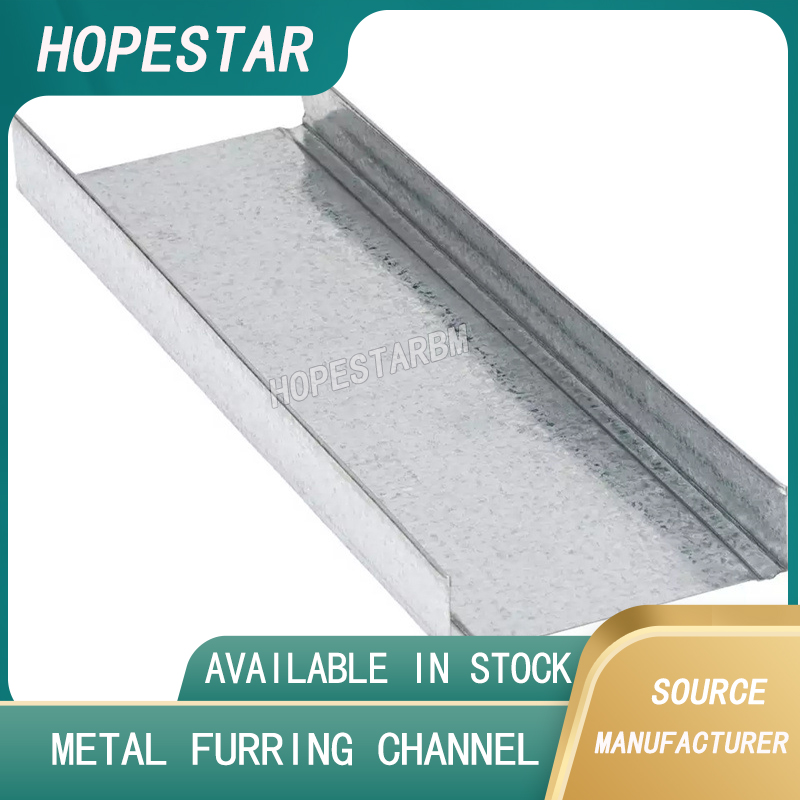
Metal Stud and Track Systems in Modern Construction
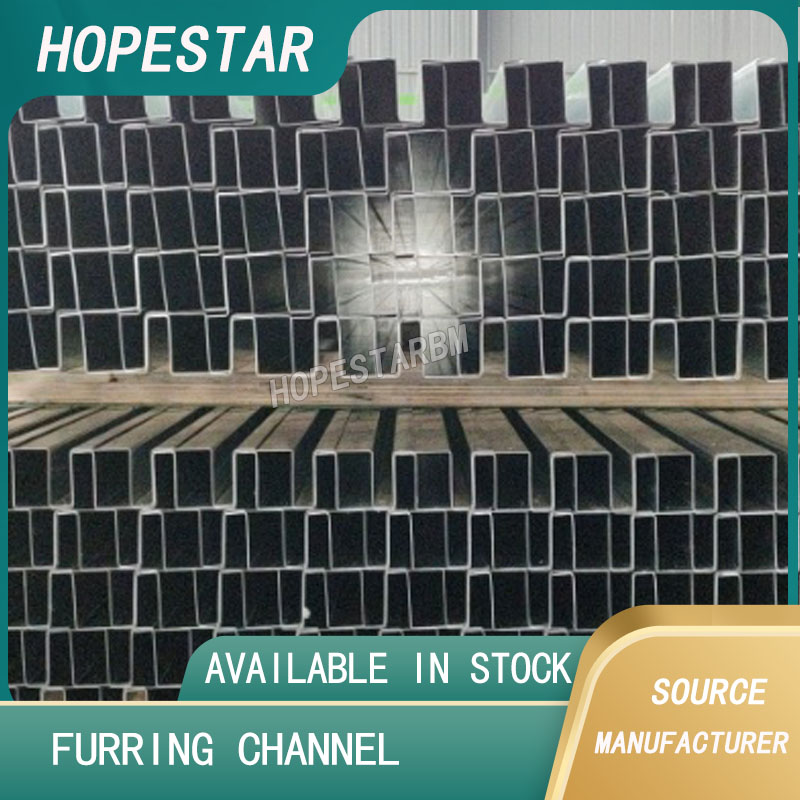
The demand for durable, cost-effective, and versatile building solutions has increased significantly in recent years, and one product that has proven essential is the metal stud and track system. Known for its reliability, efficiency, and adaptability, this construction material is now widely used in both residential and commercial projects. Whether you are building interior walls, partitions, or framing ceilings, the use of metal stud and track offers numerous advantages that traditional wood framing often cannot match.
A metal stud and track system consists of two primary components: the vertical studs and the horizontal tracks. The studs, usually manufactured from galvanized steel, provide the vertical support, while the tracks secure these studs at the top and bottom, forming a rigid frame. This system is specifically designed to deliver structural strength while maintaining a lightweight profile, making it easier to handle and install on job sites.
One of the main reasons builders prefer metal stud and track systems is their resistance to common issues that affect wood framing. Wood can warp, shrink, or expand due to moisture and temperature changes, leading to structural instability over time. Metal, on the other hand, does not suffer from these problems. Galvanized steel studs and tracks are resistant to rot, termites, and mold, ensuring long-term stability and reducing the need for maintenance or costly repairs. This durability makes them especially suitable for high-humidity environments such as bathrooms, basements, or coastal properties.
Another significant benefit of metal stud and track framing is its precision. Unlike wood, which may vary in thickness or straightness, metal components are manufactured with uniform dimensions. This ensures perfectly aligned walls, ceilings, and partitions. For contractors and interior designers, this precision translates into smoother surfaces, easier installation of drywall, and a professional finish that enhances the overall aesthetic of a project.
From a cost perspective, metal stud and track systems can be very competitive. While the initial material costs may sometimes be slightly higher than wood, the long-term savings in durability, maintenance, and labor often outweigh the upfront investment. Because metal is lightweight and easy to cut with basic tools, installation times are faster, reducing labor costs on large-scale projects. Additionally, the non-combustible nature of steel can contribute to better fire safety ratings, potentially lowering insurance costs for property owners.
Sustainability is another area where metal stud and track systems excel. Steel is one of the most recycled materials in the world, and many manufacturers use a high percentage of recycled content in their products. This makes metal studs and tracks a greener choice for environmentally conscious builders and aligns with modern construction trends that emphasize energy efficiency and sustainable practices. By choosing metal over wood, contractors also help reduce deforestation, contributing to a more eco-friendly industry.
In terms of versatility, metal stud and track systems are highly adaptable. They can be used for a variety of applications, including interior partitions, exterior walls, suspended ceilings, and even specialized fire-rated or soundproof assemblies. Architects and engineers appreciate the flexibility of these systems when designing modern buildings that require unique layouts or custom specifications. For example, in office buildings where frequent reconfigurations of space may be needed, metal framing allows partitions to be built and modified with minimal effort.
The popularity of metal stud and track systems in commercial construction cannot be overstated. Office complexes, hospitals, schools, and retail stores increasingly rely on these systems for their speed of installation and consistent quality. In residential projects, they are being used not only for basements and wet areas but also for entire home framing, especially in regions where durability and resistance to pests are priorities.
Installation techniques for metal stud and track systems are straightforward. The tracks are first secured to the floor and ceiling using fasteners, creating the outline of the wall. Metal studs are then inserted into the tracks at regular intervals, typically 16 or 24 inches apart, depending on the project specifications. Once the frame is complete, drywall panels are attached to the studs, and the wall is finished with joint compound, paint, or other desired treatments. This simple process allows for quick project turnaround without compromising on quality.
In conclusion, the metal stud and track system represents a modern solution to the challenges of construction. Its combination of strength, durability, precision, and environmental benefits makes it an ideal choice for both small-scale renovations and large commercial developments. With faster installation times, reduced maintenance, and long-lasting performance, metal stud and track continues to set the standard for efficient and reliable building practices. For contractors, architects, and property owners seeking a balance of performance, cost-effectiveness, and sustainability, the metal stud and track system remains an indispensable component in modern construction.
What is the metal furring channel?
Metal Corner Bead Long Tail Keyword Application in Modern Construction
Related Article