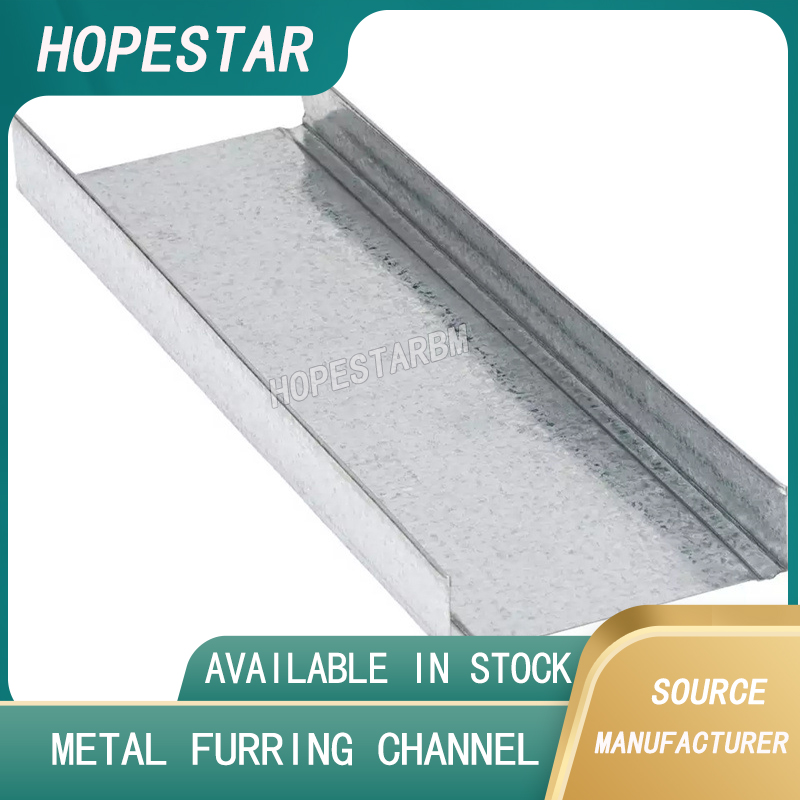
Metal Stud and Metal Track
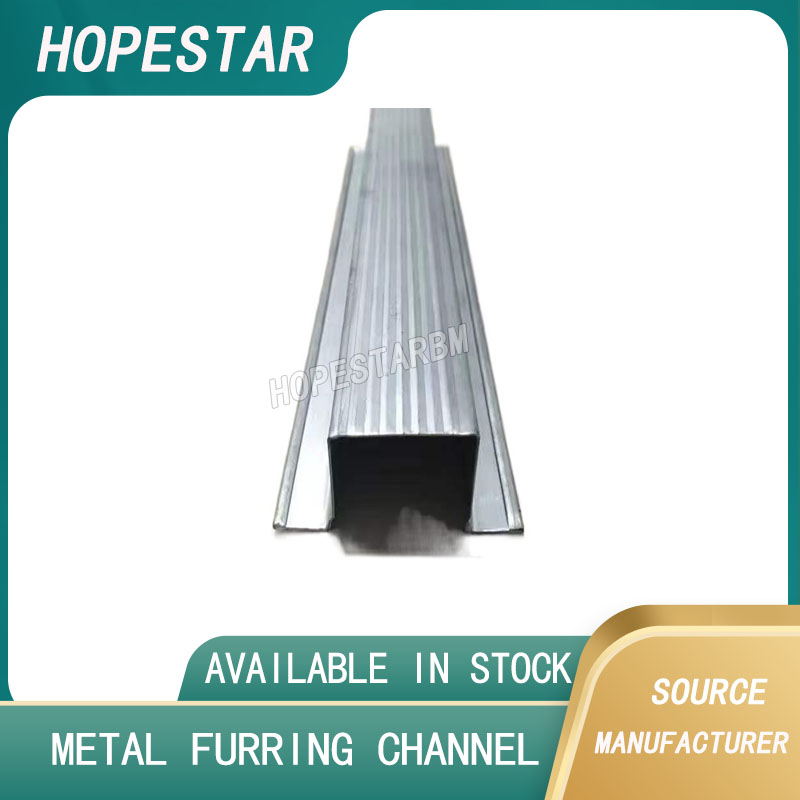
Metal stud and metal track systems are essential components in modern drywall and partition construction. Widely used in residential, commercial, and industrial buildings, these lightweight steel framing systems provide strength, stability, and design flexibility. Understanding how metal stud and metal track work together helps builders and contractors create durable and efficient wall structures.
What Is a Metal Stud?
A metal stud is a vertical framing member typically made from galvanized steel. It is usually formed in a C-shaped profile and installed vertically within a wall system. Metal studs are designed to support drywall, cement board, and other wall panels while maintaining a straight and level surface.
Metal studs are available in different widths, commonly 50 mm, 75 mm, and 100 mm, with thicknesses ranging from 0.45 mm to 0.60 mm or more. They are lightweight yet strong, making them ideal for non-load-bearing walls and interior partitions. In addition, the hollow space inside metal studs allows for easy installation of electrical wiring, plumbing, and insulation materials.
What Is a Metal Track?
A metal track is a horizontal U-shaped channel that works together with metal studs. Metal tracks are installed along the floor and ceiling to hold and guide the metal studs in place. While metal tracks do not directly carry vertical loads, they play a critical role in ensuring alignment and structural stability.
The width of a metal track must match the width of the metal stud for proper installation. Like studs, metal tracks are made from galvanized steel to resist corrosion and maintain long-term performance.
How Metal Stud and Metal Track Work Together
In a typical wall framing system, metal tracks are first fixed to the floor and ceiling. Metal studs are then inserted vertically into the tracks at regular spacing, usually 400 mm or 600 mm apart. Once secured, drywall or other wall panels are attached to the metal studs, forming a complete wall system.
This combination of metal stud and metal track creates a strong yet flexible framework that can adapt to different architectural designs and building requirements.
Advantages of Metal Stud and Metal Track Systems
Metal stud and metal track systems offer several advantages over traditional wood framing. They are lightweight, making transportation and installation easier. The galvanized steel material provides excellent resistance to moisture, insects, and fire, reducing long-term maintenance issues.
Another key benefit is dimensional consistency. Unlike wood, metal framing does not warp, shrink, or crack over time. This ensures flatter walls and better finishing quality. Metal stud and metal track systems are also environmentally friendly, as steel is recyclable and supports sustainable construction practices.
Common Applications
Metal stud and metal track systems are widely used in interior partition walls, office buildings, shopping centers, hospitals, hotels, and industrial facilities. They are especially suitable for projects requiring fast installation, clean construction, and reliable performance.
Conclusion
Metal stud and metal track systems are a modern, efficient solution for drywall and partition construction. By offering strength, durability, and ease of installation, they have become a preferred choice for builders and contractors worldwide. Choosing the right sizes and spacing ensures a stable structure and long-lasting wall performance, making metal stud and metal track an essential part of contemporary building systems.
L Trim Corner Bead
Metal Furring Size for Ceiling
Related Article