
Metal Lath
2026-09-01
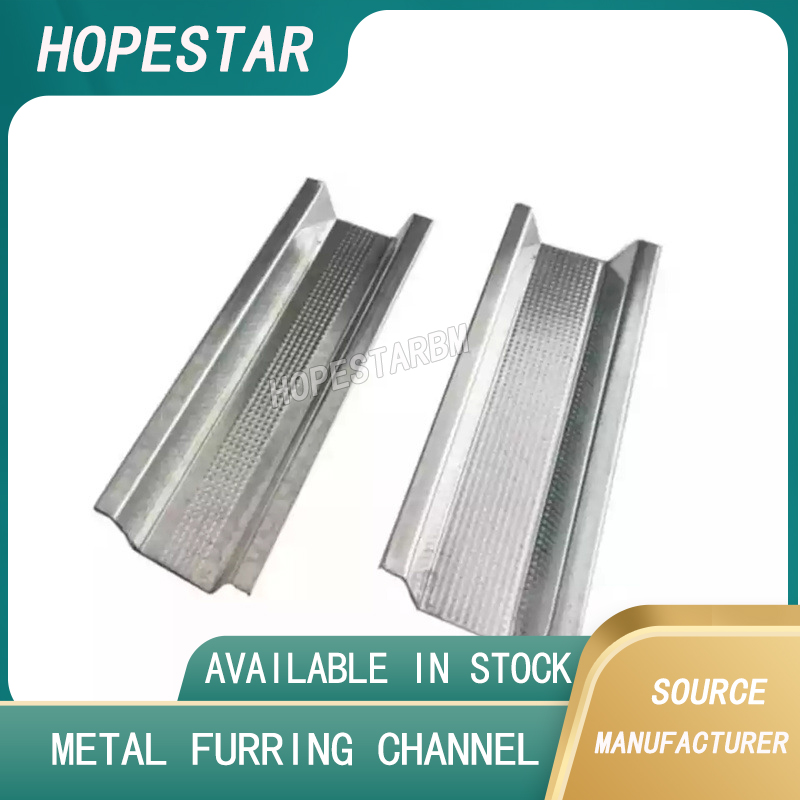
In professional residential, commercial, and industrial construction, metal lath stands as an indispensable foundational material for high-quality plastering, ceiling finishing, and wall reinforcement. Also referred to as metal mesh lath or expanded metal lath, metal lath serves as a sturdy bonding base for plaster, stucco, and cement coatings, solving common construction problems such as wall cracking, peeling, and hollowing. For contractors, builders, and renovation specialists, metal lath is the gold-standard choice to enhance structural stability, extend building service life, and deliver flawless interior and exterior wall finishes.
The core advantage of metal lath lies in its superior bonding and reinforcement performance. Featuring a uniform expanded mesh structure, metal lath creates countless anchor points for plaster and stucco materials. Unlike traditional wood lath, which is prone to rot, deformation, and insect infestation, metal lath holds cement and plaster layers tightly without delamination. This powerful grip effectively resists structural stress, temperature changes, and minor building settlement, drastically reducing the risk of wall and ceiling cracks in long-term use.
Durability and weather resistance make metal lath suitable for both indoor and outdoor construction scenarios. Manufactured from high-quality galvanized steel or stainless steel, standard metal lath boasts excellent rust-proof, corrosion-resistant, and anti-aging properties. It maintains stable structural performance in humid bathrooms, rainy exterior walls, and high-temperature industrial environments. With strong tensile strength and impact resistance, metal lath can withstand long-term load pressure, avoiding deformation and damage that often occurs with low-quality reinforcing materials.
Versatile applicability is another highlight of metal lath, covering almost all plaster and cement finishing projects. In interior construction, it is widely used for gypsum ceiling reinforcement, partition wall plastering, curved wall shaping, arch modeling, and niche decoration. In exterior construction, metal lath supports exterior wall stucco finishing, facade insulation layer protection, and outdoor decorative wall construction. Additionally, it is commonly applied in special scenarios such as waterproof base reinforcement, fireproof wall lining, and old building wall renovation, perfectly adapting to diverse construction needs.
Lightweight structure and convenient installation greatly improve construction efficiency. Metal lath features a thin, lightweight design with flexible cutting and bending performance. Workers can easily tailor it to various irregular wall and ceiling shapes, realizing seamless laying for curved, arc, and special-shaped structures. Its standardized mesh specification ensures uniform plaster thickness and flat finishing effects. Meanwhile, the easy-installation feature shortens on-site construction cycles, reduces manual operation difficulty, and effectively lowers overall project labor costs.
From the perspective of building safety and compliance, metal lath meets international construction safety and quality standards. Its metal structure provides excellent fire resistance, avoiding the flammable risks of wooden lath materials. It also enhances the overall structural integrity of walls and ceilings, improving the seismic performance of buildings. Whether for residential house renovation, office building construction, hotel interior upgrading, or public facility engineering, metal lath provides reliable structural reinforcement guarantees for high-standard construction projects.
In summary, metal lath is a cost-effective, high-performance construction reinforcement material that integrates durability, versatility, safety, and easy construction. It lays a solid foundation for smooth, crack-free, and long-lasting plaster and stucco finishes, becoming a must-have material for modern high-quality architectural decoration and structural engineering.
Light Steel Frame
Ceiling Gypsum
Related Article

Ceiling wall angle, also known as perimeter angle or L-angle, is an indispensable L-shaped metal profile for suspended drywall ceiling systems. Roll-formed from cold-rolled galvanized steel, ceiling wall angle is fixed along the wall perimeter to support the ends of main channels and furring channels,
Ceiling Wall Angle – Galvanized L-Shaped Perimeter Trim for Suspended Drywall Ceilings
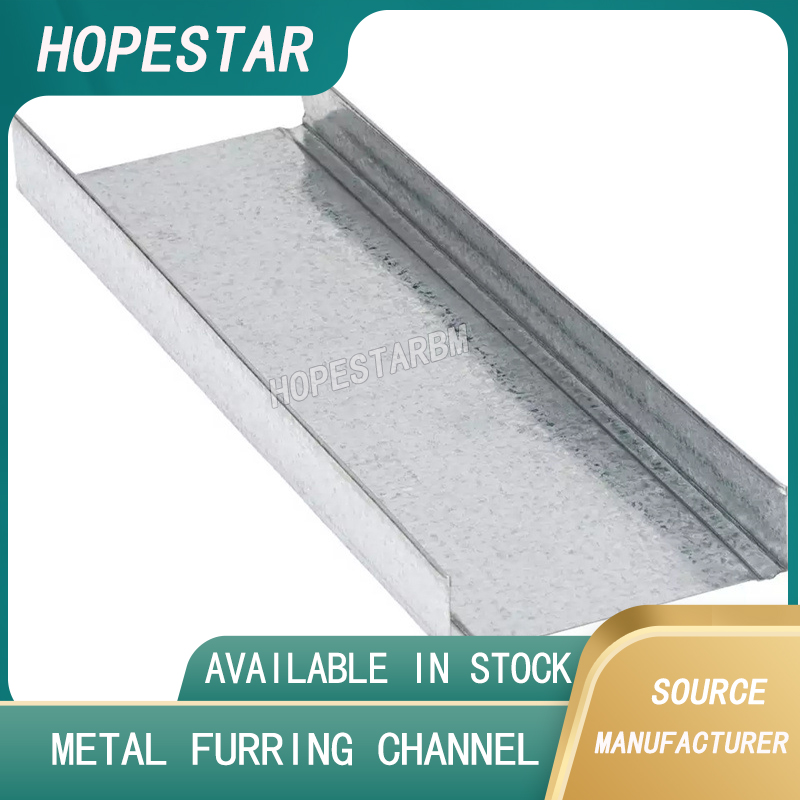
Galvanized steel profiles are the foundational metal framing components widely used in modern interior construction. Roll-formed from cold-rolled steel coated with protective zinc layer, galvanized steel profiles cover a full range of shapes including C studs, U tracks, omega channels,
Galvanized Steel Profiles – Reliable Cold Rolled Framing for Drywall Walls and Ceilings

Metal furring channel for ceiling is a vital secondary framing component widely used in suspended ceiling and drywall ceiling systems. Roll-formed from cold-rolled galvanized steel, this lightweight metal profile works together with main channels, hangers and wall angles to create a level,
Metal Furring Channel for Ceiling – Galvanized Secondary Framing for Suspended Drywall Ceilings

Metal omega channel, also widely called omega furring channel or hat channel, is an indispensable secondary metal framing profile for modern suspended ceilings and drywall wall furring systems. Named after its distinctive Ω shape, this profile is roll-formed from cold-rolled galvanized steel
Metal Omega Channel – Galvanized Omega Furring Channel for Drywall Ceiling and Wall Framing