
metal hat channel sizes introuduce
2024-06-04
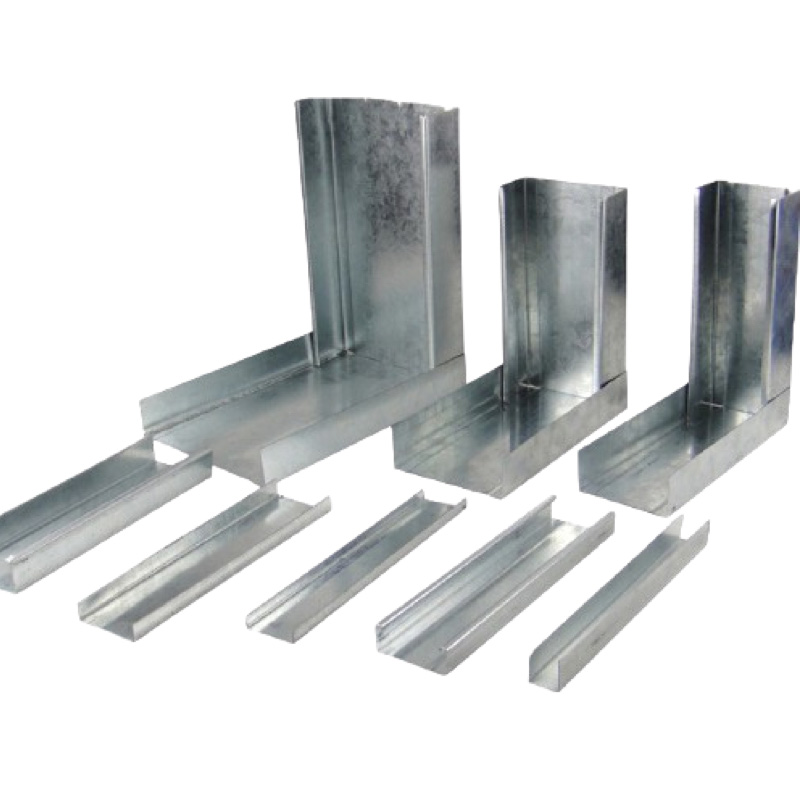
When delving deeper into the theme of metal hat channel sizes, we first need to clarify what "metal hat channel" is and what role it plays in construction and industrial applications. Metal hat channel, The metal cap shaped channel is a metal structure with a specific cross-sectional shape, commonly used for building roof, wall support systems, and other structural reinforcement applications.
The size of metal hat shaped channels varies to meet different architectural designs and engineering needs. The changes in these dimensions are not only reflected in their length, width, and height, but also in their cross-sectional shape, thickness, and material type. Therefore, when selecting the appropriate metal hat channel size, multiple factors need to be comprehensively considered, including expected load-bearing capacity, installation environment conditions, and project cost budget.
After understanding the importance of metal cap channel dimensions, we will now delve into various common size specifications in detail. These specifications are usually developed based on industry standards or specific project requirements to ensure the safety and stability of the structure. For example, in a roof support system, the size of a metal hat shaped channel may need to be determined based on factors such as the slope of the roof, material type, and expected snow and wind loads.
In addition to size specifications, we also need to pay attention to the material selection of metal cap shaped channels. Common materials include galvanized steel, stainless steel, and aluminum alloys. These materials have different characteristics, such as corrosion resistance, strength, and weight, so they need to be comprehensively considered when selecting. In addition, the cost of different materials may also vary, which is one of the factors to consider when formulating project budgets.
In practical applications, the installation and maintenance of metal cap shaped channels are also crucial. The correct installation method can ensure the stability and load-bearing capacity of the channel, while regular maintenance can extend its service life and reduce potential safety risks. Therefore, for personnel engaged in the construction and engineering industry, it is necessary to have knowledge of the installation and maintenance of metal hat shaped channels.
In addition, with the advancement of technology and the development of the construction industry, the design and manufacturing technology of metal hat shaped channels are constantly being updated and upgraded. New materials and processes enable metal cap shaped channels to have higher performance and a wider range of applications. Therefore, for personnel engaged in related industries, it is very important to maintain attention and learning about new technologies and materials.
In summary, metal hat channel sizes are a complex topic that involves multiple aspects. When selecting appropriate size specifications and material types, multiple factors need to be comprehensively considered, including project requirements, environmental conditions, and cost budgets. Meanwhile, understanding the installation and maintenance knowledge of metal hat shaped channels is also crucial. With the development of technology and industry progress, we also need to constantly update our knowledge and skills to adapt to constantly changing market demands and technological challenges.
When delving deeper into this topic, we can further focus on the application cases of metal cap shaped channels in different fields. These cases can help us better understand the practical application effects and potential advantages of metal cap shaped channels. For example, in the roof support system of commercial buildings, metal hat shaped channels can provide stable support and excellent load-bearing capacity; In the wall reinforcement of industrial plants, metal cap shaped channels can effectively improve the overall stability and safety of the structure.
In addition, we can also pay attention to the contribution of metal hat shaped channels in sustainable development. With the increasing attention of society to environmental protection and sustainable development, the construction industry is also actively exploring more environmentally friendly and sustainable building materials and solutions. As a recyclable and reusable material, metal hat shaped channels have lower carbon emissions and environmental pollution, thus playing a positive role in promoting sustainable development in the construction industry.
Finally, we can look forward to the future development trends of metal cap shaped channels. With the continuous progress of technology and the expansion of application fields, metal cap shaped channels are expected to achieve more innovation and breakthroughs in the future. For example, by adopting more advanced manufacturing processes and material technologies, the performance and reliability of metal cap shaped channels can be further improved; Meanwhile, with the development of intelligent buildings and IoT technology, metal hat shaped channels may also be combined with intelligent systems to achieve more intelligent and efficient structural support and management.
In summary, metal hat channel sizes is a topic with depth and breadth, involving knowledge in multiple fields such as architecture, engineering, and materials science. By delving deeper into this topic, we can better understand the application and importance of metal hat shaped channels in the construction industry, and provide useful insights and ideas for their future development and innovation.
The size of metal hat shaped channels varies to meet different architectural designs and engineering needs. The changes in these dimensions are not only reflected in their length, width, and height, but also in their cross-sectional shape, thickness, and material type. Therefore, when selecting the appropriate metal hat channel size, multiple factors need to be comprehensively considered, including expected load-bearing capacity, installation environment conditions, and project cost budget.
After understanding the importance of metal cap channel dimensions, we will now delve into various common size specifications in detail. These specifications are usually developed based on industry standards or specific project requirements to ensure the safety and stability of the structure. For example, in a roof support system, the size of a metal hat shaped channel may need to be determined based on factors such as the slope of the roof, material type, and expected snow and wind loads.
In addition to size specifications, we also need to pay attention to the material selection of metal cap shaped channels. Common materials include galvanized steel, stainless steel, and aluminum alloys. These materials have different characteristics, such as corrosion resistance, strength, and weight, so they need to be comprehensively considered when selecting. In addition, the cost of different materials may also vary, which is one of the factors to consider when formulating project budgets.
In practical applications, the installation and maintenance of metal cap shaped channels are also crucial. The correct installation method can ensure the stability and load-bearing capacity of the channel, while regular maintenance can extend its service life and reduce potential safety risks. Therefore, for personnel engaged in the construction and engineering industry, it is necessary to have knowledge of the installation and maintenance of metal hat shaped channels.
In addition, with the advancement of technology and the development of the construction industry, the design and manufacturing technology of metal hat shaped channels are constantly being updated and upgraded. New materials and processes enable metal cap shaped channels to have higher performance and a wider range of applications. Therefore, for personnel engaged in related industries, it is very important to maintain attention and learning about new technologies and materials.
In summary, metal hat channel sizes are a complex topic that involves multiple aspects. When selecting appropriate size specifications and material types, multiple factors need to be comprehensively considered, including project requirements, environmental conditions, and cost budgets. Meanwhile, understanding the installation and maintenance knowledge of metal hat shaped channels is also crucial. With the development of technology and industry progress, we also need to constantly update our knowledge and skills to adapt to constantly changing market demands and technological challenges.
When delving deeper into this topic, we can further focus on the application cases of metal cap shaped channels in different fields. These cases can help us better understand the practical application effects and potential advantages of metal cap shaped channels. For example, in the roof support system of commercial buildings, metal hat shaped channels can provide stable support and excellent load-bearing capacity; In the wall reinforcement of industrial plants, metal cap shaped channels can effectively improve the overall stability and safety of the structure.
In addition, we can also pay attention to the contribution of metal hat shaped channels in sustainable development. With the increasing attention of society to environmental protection and sustainable development, the construction industry is also actively exploring more environmentally friendly and sustainable building materials and solutions. As a recyclable and reusable material, metal hat shaped channels have lower carbon emissions and environmental pollution, thus playing a positive role in promoting sustainable development in the construction industry.
Finally, we can look forward to the future development trends of metal cap shaped channels. With the continuous progress of technology and the expansion of application fields, metal cap shaped channels are expected to achieve more innovation and breakthroughs in the future. For example, by adopting more advanced manufacturing processes and material technologies, the performance and reliability of metal cap shaped channels can be further improved; Meanwhile, with the development of intelligent buildings and IoT technology, metal hat shaped channels may also be combined with intelligent systems to achieve more intelligent and efficient structural support and management.
In summary, metal hat channel sizes is a topic with depth and breadth, involving knowledge in multiple fields such as architecture, engineering, and materials science. By delving deeper into this topic, we can better understand the application and importance of metal hat shaped channels in the construction industry, and provide useful insights and ideas for their future development and innovation.
metal furring channel ceiling,Features, uses, and installation and maintenance
standard length of metal furring introduce
Related Article

Ceiling wall angle, also known as perimeter angle or L-angle, is an indispensable L-shaped metal profile for suspended drywall ceiling systems. Roll-formed from cold-rolled galvanized steel, ceiling wall angle is fixed along the wall perimeter to support the ends of main channels and furring channels,
Ceiling Wall Angle – Galvanized L-Shaped Perimeter Trim for Suspended Drywall Ceilings
Galvanized steel profiles are the foundational metal framing components widely used in modern interior construction. Roll-formed from cold-rolled steel coated with protective zinc layer, galvanized steel profiles cover a full range of shapes including C studs, U tracks, omega channels,
Galvanized Steel Profiles – Reliable Cold Rolled Framing for Drywall Walls and Ceilings

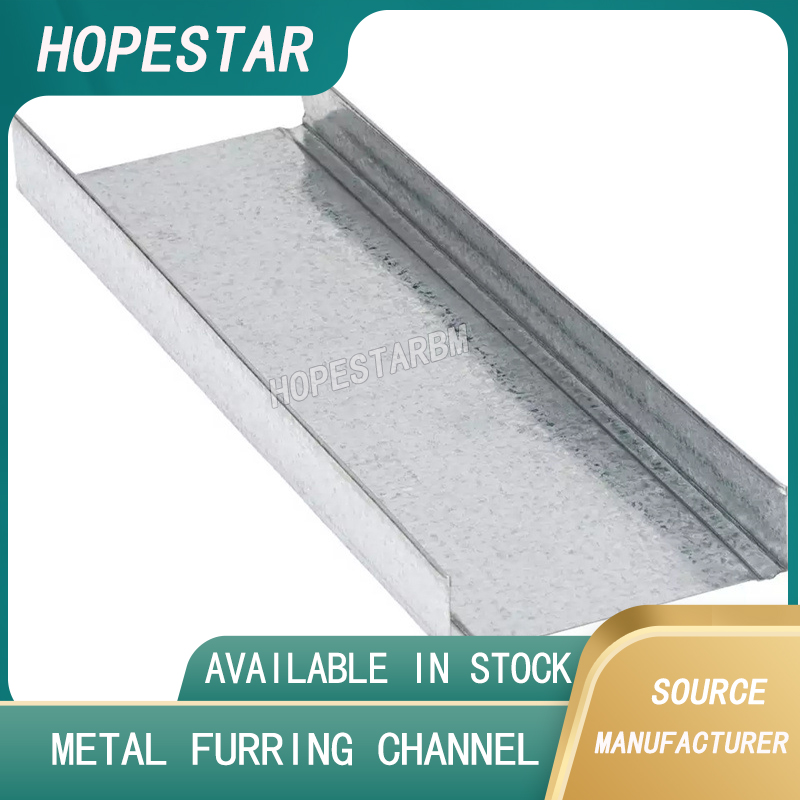
Metal furring channel for ceiling is a vital secondary framing component widely used in suspended ceiling and drywall ceiling systems. Roll-formed from cold-rolled galvanized steel, this lightweight metal profile works together with main channels, hangers and wall angles to create a level,
Metal Furring Channel for Ceiling – Galvanized Secondary Framing for Suspended Drywall Ceilings

Metal omega channel, also widely called omega furring channel or hat channel, is an indispensable secondary metal framing profile for modern suspended ceilings and drywall wall furring systems. Named after its distinctive Ω shape, this profile is roll-formed from cold-rolled galvanized steel
Metal Omega Channel – Galvanized Omega Furring Channel for Drywall Ceiling and Wall Framing