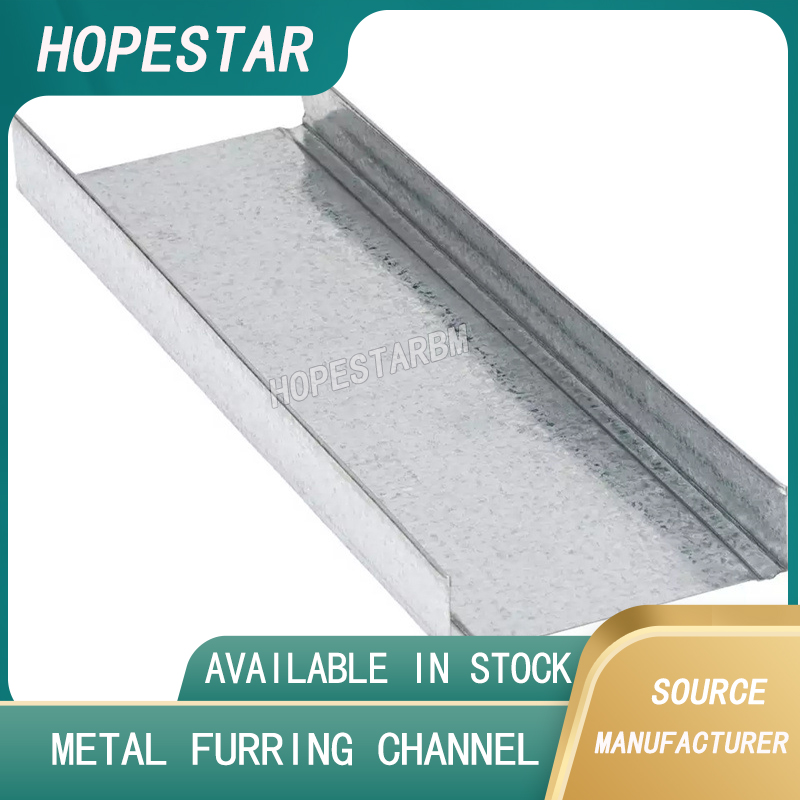
Metal Furring Sizes
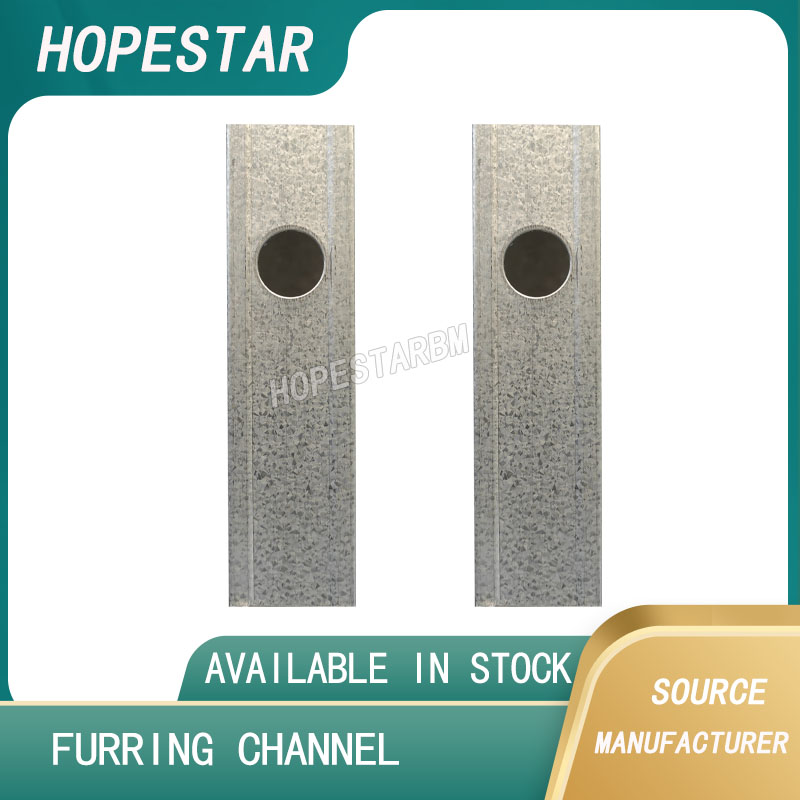
Metal furring is an essential component in modern construction, widely used to create level, stable surfaces for walls and ceilings. Understanding metal furring sizes is critical for choosing the right system, ensuring structural performance, and meeting project specifications. Whether for residential, commercial, or industrial buildings, selecting the correct size directly affects strength, spacing, and installation efficiency.
What Is Metal Furring?
Metal furring refers to thin, cold-formed steel channels installed over concrete, masonry, wood, or steel substrates. These channels provide a framework to attach drywall, cement board, or other finishing materials. Compared to wood furring strips, metal furring offers consistent dimensions, better fire resistance, and improved durability in humid or corrosive environments.
Common Metal Furring Sizes
Metal furring sizes vary by application, load requirement, and regional building standards. The most common dimensions are defined by width, depth, thickness, and length.
In ceiling applications, standard metal furring channels often measure around 19 mm (3/4 inch) deep, with widths ranging from 35 mm to 50 mm. These sizes are designed to support gypsum boards and acoustic panels while keeping the overall ceiling system lightweight.
For wall furring systems, wider profiles are common. Typical widths include 64 mm, 70 mm, 76 mm, and 92 mm, allowing space for insulation, electrical wiring, and plumbing. Deeper channels improve rigidity and help achieve better alignment on uneven wall surfaces.
Thickness is another key factor when selecting metal furring sizes. Common thickness options range from 0.45 mm to 1.2 mm, depending on structural requirements. Thicker metal furring provides higher load capacity and reduced deflection, making it suitable for taller walls or heavier finishes.
Standard lengths usually include 2.4 m, 3.0 m, 3.6 m, and 4.0 m, with custom lengths available for large-scale or export projects. Choosing the right length minimizes cutting waste and speeds up installation.
How to Choose the Right Metal Furring Size
Selecting the correct metal furring size depends on several factors. The first is the type of application, such as ceiling suspension systems, wall lining, or exterior cladding support. Ceilings typically require lighter profiles, while walls benefit from deeper and thicker channels.
The second factor is load and spacing. Heavier boards or wider spacing between channels require stronger, thicker metal furring. Building codes often specify maximum spacing based on board type and thickness.
Environmental conditions also matter. In coastal or high-humidity areas, galvanized metal furring with adequate coating thickness is essential for long-term corrosion resistance.
Benefits of Standardized Metal Furring Sizes
Using standardized metal furring sizes ensures compatibility with accessories such as clips, hangers, and fasteners. It also improves construction accuracy, reduces installation errors, and helps contractors meet international building standards more easily.
Conclusion
Understanding metal furring sizes is key to building strong, level, and durable wall and ceiling systems. By selecting the appropriate width, depth, thickness, and length, builders can optimize performance, control costs, and ensure long-term reliability. Whether for ceilings, partitions, or wall linings, choosing the right metal furring size is a small decision that delivers significant results in construction quality and efficiency.
What Is a Hat Channel?
C Channel Furring
Related Article