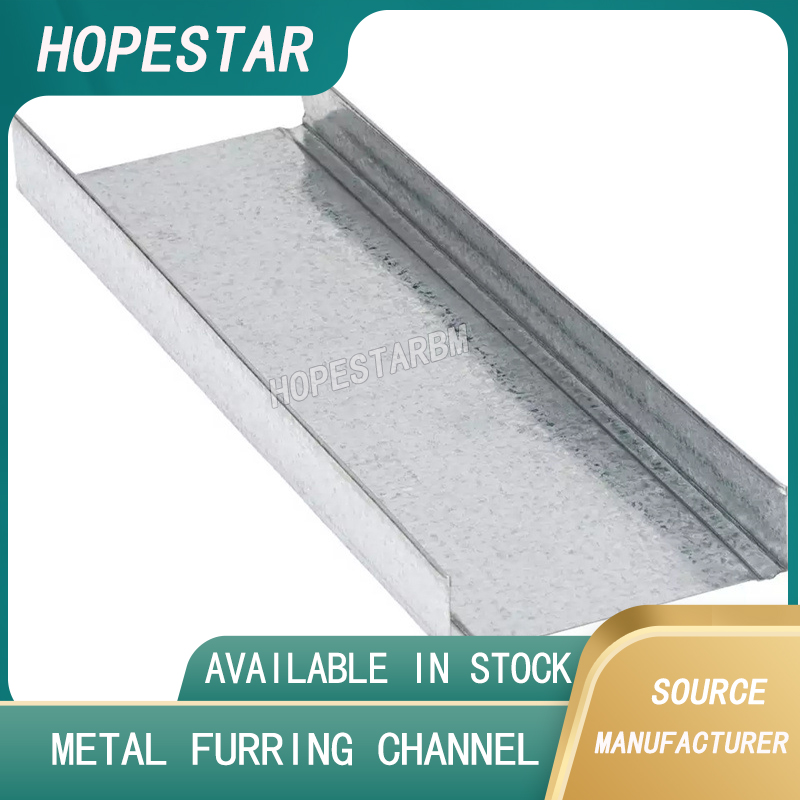
Metal Furring Sizes for Ceiling

When it comes to constructing a reliable and durable suspended ceiling system, metal furring plays a crucial role. Metal furring channels provide the necessary support for drywall, acoustic tiles, and other ceiling panels, offering a strong yet lightweight framework. Understanding the standard metal furring sizes for ceiling applications can help architects, contractors, and DIY enthusiasts make better-informed decisions. This article explores the common sizes, their applications, and how to choose the right furring channel for your ceiling project.
What Is Metal Furring?
Metal furring is a system of metal framing components—usually made from galvanized steel or aluminum—used to provide support to interior surfaces like walls and ceilings. In ceiling construction, furring channels are suspended from structural ceilings using hangers or wire, and then ceiling panels or drywall are attached to them. Metal furring ensures a level surface, aids in soundproofing, and creates space for insulation, wiring, or ductwork.
Standard Metal Furring Sizes for Ceiling
Metal furring channels come in various sizes depending on the ceiling type, span, and load requirements. Below are some common metal furring sizes for ceilings:
1. Furring Channel Width
-
25mm (1 inch) – Light-duty, often used for low-load ceiling systems or in tight spaces.
-
35mm (1.38 inch) – A popular size for both wall and ceiling applications.
-
45mm (1.77 inch) – Common for heavier ceiling loads, offering better support and rigidity.
2. Furring Channel Depth (Height)
-
18mm to 38mm – Depth affects the load-bearing capacity and the gap available for insulation or utilities.
-
Typically: 25mm x 38mm or 35mm x 38mm are widely used in commercial and residential ceiling projects.
3. Furring Channel Thickness
-
0.4mm to 1.2mm – The gauge of the steel impacts the structural strength. For ceilings, a 0.5mm to 0.6mm thickness is commonly used.
-
Heavier gauges like 0.8mm to 1.0mm are suitable for high-load or fire-rated ceilings.
4. Length of Metal Furring Channels
-
Typically 10 feet (3 meters) or 12 feet (3.6 meters) – Can be cut to custom lengths as needed.
Types of Metal Furring for Ceilings
There are several types of metal furring channels, each with its own function:
-
C-Channel Furring: Shaped like the letter “C”, used in ceiling grids and wall assemblies.
-
Hat Channel (Furring Channel): Named for its hat-like profile, offers superior rigidity and ease of installation. Often used in ceilings.
-
Z-Furring Channel: Shaped like the letter "Z", allows space for insulation between surfaces.
Among these, hat channels are the most preferred type for suspended ceiling systems.
Applications of Metal Furring Sizes in Ceiling Construction
-
Residential Ceilings: 25mm x 25mm or 35mm x 25mm furring channels are usually enough for drywall support.
-
Commercial Ceilings: Require stronger support; thus, 45mm x 38mm with 0.6mm or thicker steel is commonly used.
-
Acoustic Ceilings: May use deeper channels for enhanced sound insulation.
-
Fire-Rated Ceilings: Require specific furring sizes and gauges approved by local building codes.
Benefits of Using the Right Metal Furring Size
-
Structural Integrity: Proper sizing ensures a stable and durable ceiling.
-
Smooth Surface: Reduces the chance of sagging or warping in ceiling boards.
-
Compatibility: Makes installation easier when matched with drywall and accessories.
-
Cost-Efficiency: Avoids overuse of material or unnecessary reinforcement.
How to Choose the Right Metal Furring Size?
When selecting the ideal metal furring size for your ceiling, consider the following:
-
Ceiling Load: Heavier ceiling panels or insulation need stronger, thicker channels.
-
Span Length: Longer spans require deeper or thicker channels to avoid deflection.
-
Building Codes: Always refer to local construction regulations.
-
Environmental Conditions: Humid areas might require corrosion-resistant materials or heavier gauges.
Common Metal Furring Sizes for Ceiling
Metal Building Hat Channel
Related Article