
metal furring size for ceiling
2024-03-19
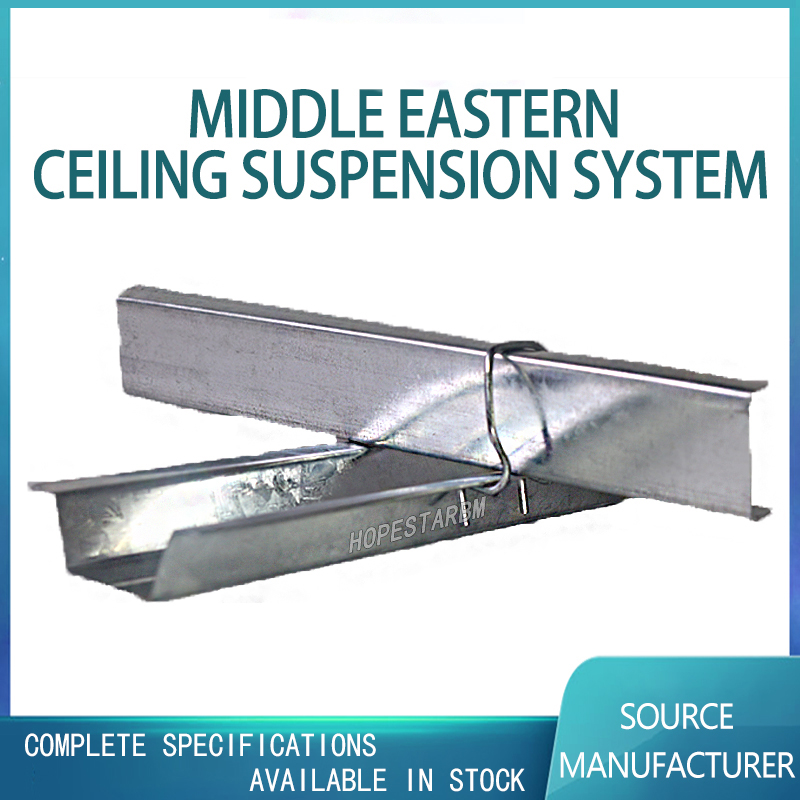
Metal edging,as a common element in interior decoration,is often used for ceiling decoration.It not only enhances the overall texture of the space,but also has a good decorative effect.Understanding the size of metal edging is crucial when choosing it.This article will provide you with a detailed introduction to the dimensions of ceiling metal edging,helping you better choose and install it.
1、Common dimensions of metal edging
The size of metal edging varies depending on brand,material,and design.In the market,common metal edging widths include 5 centimeters,8 centimeters,10 centimeters,15 centimeters,and 20 centimeters.These sizes are just common choices,there are actually many other sizes to choose from.The choice of size mainly depends on your personal preferences,space size,and overall design style.
2、How to choose the appropriate size
1.Consider space size:Space size is a key factor in determining the size of metal edging.If your room area is small,choosing narrower metal edging can make the space appear more spacious.On the contrary,if your room has a large area,choosing wider metal edging can enhance the sense of hierarchy in the space.
2.Consider design style:The size of the metal edging should be coordinated with the overall design style.Modern minimalist styles typically choose simple and sharp metal trim,while European or Chinese styles may prefer wider metal trim.
3.Consider personal preferences:Ultimately,when choosing the size of the metal trim,it is important to consider your personal preferences.You can choose the most suitable size based on your own aesthetic perspective.
3、Installation and precautions for metal edging
1.Installation steps:Before installing the metal trim,it is necessary to ensure that the ceiling is flat,dry,and free of oil stains.Then,cut the metal trim according to the selected size and fix it to the ceiling using special glue or screws.Finally,trim the excess parts with an art knife to ensure overall aesthetics.
2.Precautions:During the installation process,it is necessary to ensure that the metal edges are tightly attached to the ceiling to avoid gaps.In addition,attention should be paid to maintaining the flatness and straightness of the metal edging to present the best decorative effect.
4、Maintenance and upkeep of metal edging
Although metal edging has high durability,it still requires appropriate maintenance and upkeep.In daily use,avoid using sharp objects to scratch metal edges,and regularly clean to maintain their luster.When cleaning,it is recommended to use a soft,damp cloth to wipe and avoid using cleaning agents containing chemical components to avoid damage to the metal surface.
5、Market trends and future development of metal edging
With the continuous development of the interior decoration industry,the market demand for metal edging is also gradually increasing.In the future,metal edging is expected to achieve further development in the following areas:
1.Material innovation:With the advancement of technology,there may be more new types of metal materials applied to metal edging in the future to meet the needs of different consumers.
2.Design Innovation:Designers will continue to explore more creative and personalized metal edging designs,bringing more possibilities to interior decoration.
3.Environmental Protection and Sustainable Development:The concept of environmental protection is gradually becoming a global consensus.In the future,metal edge products will pay more attention to environmental protection and sustainable development,using environmentally friendly materials and production processes to reduce their impact on the environment.
In summary,as an important element in indoor decoration,ceiling metal edging deserves our attention in terms of size selection,installation,and maintenance.I hope that through the introduction in this article,you can have a deeper understanding of metal edging and provide useful references for your indoor decoration.
1、Common dimensions of metal edging
The size of metal edging varies depending on brand,material,and design.In the market,common metal edging widths include 5 centimeters,8 centimeters,10 centimeters,15 centimeters,and 20 centimeters.These sizes are just common choices,there are actually many other sizes to choose from.The choice of size mainly depends on your personal preferences,space size,and overall design style.
2、How to choose the appropriate size
1.Consider space size:Space size is a key factor in determining the size of metal edging.If your room area is small,choosing narrower metal edging can make the space appear more spacious.On the contrary,if your room has a large area,choosing wider metal edging can enhance the sense of hierarchy in the space.
2.Consider design style:The size of the metal edging should be coordinated with the overall design style.Modern minimalist styles typically choose simple and sharp metal trim,while European or Chinese styles may prefer wider metal trim.
3.Consider personal preferences:Ultimately,when choosing the size of the metal trim,it is important to consider your personal preferences.You can choose the most suitable size based on your own aesthetic perspective.
3、Installation and precautions for metal edging
1.Installation steps:Before installing the metal trim,it is necessary to ensure that the ceiling is flat,dry,and free of oil stains.Then,cut the metal trim according to the selected size and fix it to the ceiling using special glue or screws.Finally,trim the excess parts with an art knife to ensure overall aesthetics.
2.Precautions:During the installation process,it is necessary to ensure that the metal edges are tightly attached to the ceiling to avoid gaps.In addition,attention should be paid to maintaining the flatness and straightness of the metal edging to present the best decorative effect.
4、Maintenance and upkeep of metal edging
Although metal edging has high durability,it still requires appropriate maintenance and upkeep.In daily use,avoid using sharp objects to scratch metal edges,and regularly clean to maintain their luster.When cleaning,it is recommended to use a soft,damp cloth to wipe and avoid using cleaning agents containing chemical components to avoid damage to the metal surface.
5、Market trends and future development of metal edging
With the continuous development of the interior decoration industry,the market demand for metal edging is also gradually increasing.In the future,metal edging is expected to achieve further development in the following areas:
1.Material innovation:With the advancement of technology,there may be more new types of metal materials applied to metal edging in the future to meet the needs of different consumers.
2.Design Innovation:Designers will continue to explore more creative and personalized metal edging designs,bringing more possibilities to interior decoration.
3.Environmental Protection and Sustainable Development:The concept of environmental protection is gradually becoming a global consensus.In the future,metal edge products will pay more attention to environmental protection and sustainable development,using environmentally friendly materials and production processes to reduce their impact on the environment.
In summary,as an important element in indoor decoration,ceiling metal edging deserves our attention in terms of size selection,installation,and maintenance.I hope that through the introduction in this article,you can have a deeper understanding of metal edging and provide useful references for your indoor decoration.
hat channel for metal buildings Characteristics
The price of Australian light steel keel
Related Article

Ceiling wall angle, also known as perimeter angle or L-angle, is an indispensable L-shaped metal profile for suspended drywall ceiling systems. Roll-formed from cold-rolled galvanized steel, ceiling wall angle is fixed along the wall perimeter to support the ends of main channels and furring channels,
Ceiling Wall Angle – Galvanized L-Shaped Perimeter Trim for Suspended Drywall Ceilings
Galvanized steel profiles are the foundational metal framing components widely used in modern interior construction. Roll-formed from cold-rolled steel coated with protective zinc layer, galvanized steel profiles cover a full range of shapes including C studs, U tracks, omega channels,
Galvanized Steel Profiles – Reliable Cold Rolled Framing for Drywall Walls and Ceilings

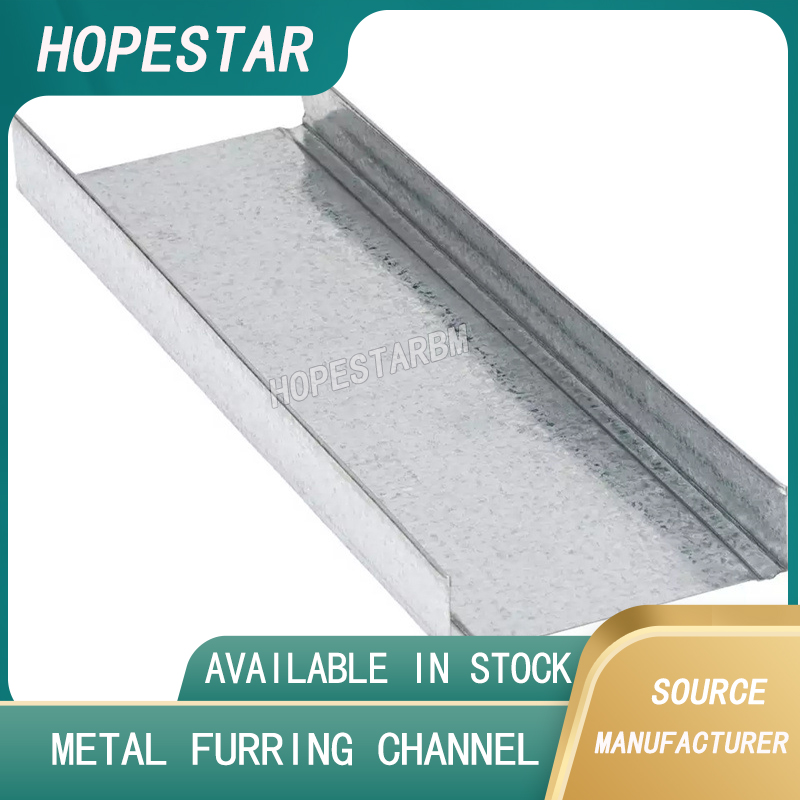
Metal furring channel for ceiling is a vital secondary framing component widely used in suspended ceiling and drywall ceiling systems. Roll-formed from cold-rolled galvanized steel, this lightweight metal profile works together with main channels, hangers and wall angles to create a level,
Metal Furring Channel for Ceiling – Galvanized Secondary Framing for Suspended Drywall Ceilings

Metal omega channel, also widely called omega furring channel or hat channel, is an indispensable secondary metal framing profile for modern suspended ceilings and drywall wall furring systems. Named after its distinctive Ω shape, this profile is roll-formed from cold-rolled galvanized steel
Metal Omega Channel – Galvanized Omega Furring Channel for Drywall Ceiling and Wall Framing