
metal furring hat channel
2024-07-15
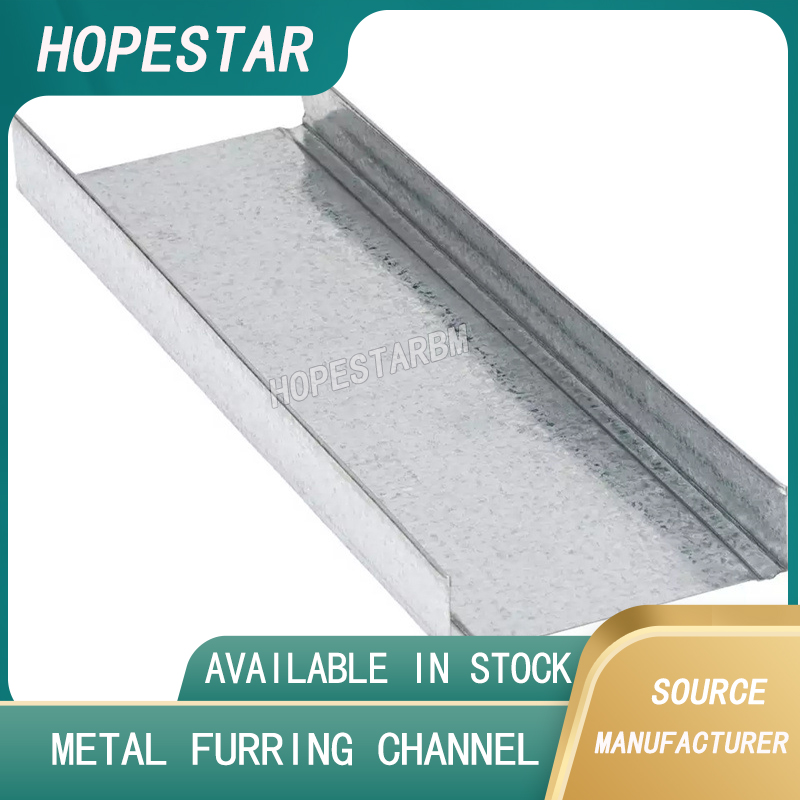
In the modern construction and decoration industry, Metal Furring Hat Channel plays an indispensable role. It provides great convenience for indoor space design and functional implementation with its unique performance and wide range of application fields. This article will delve into the definition, characteristics, application areas, installation methods, and future development trends of metal ceiling channels.
1、 Definition and Characteristics of Metal Ceiling Canals
Metal ceiling channel, also known as ceiling keel or ceiling skeleton, is a metal frame system used to support and fix ceiling panels. It is usually made of lightweight metal materials such as aluminum alloy, galvanized steel, etc., which have the characteristics of light weight, high strength, corrosion resistance, and easy processing. The design of metal ceiling channels is flexible and diverse, and can be customized according to different needs. It is widely used in various building spaces such as commercial, office, and residential areas.
2、 Application fields of metal ceiling channels
1. Commercial space: Metal ceiling channels are widely used in commercial spaces, such as shopping centers, supermarkets, restaurants, etc. Its unique appearance and excellent performance can add modernity and fashion to commercial spaces, while meeting functional requirements such as ventilation and lighting.
2. Office space: In the office environment, metal ceiling channels also have a wide range of applications. It can be used in conjunction with various types of ceiling panels to create a simple and bright office environment, while meeting the needs of sound insulation, heat insulation, and so on.
3. Residential space: With the improvement of residential decoration level, metal ceiling channels have gradually entered ordinary households. In living rooms, bedrooms, kitchens, and other areas, metal ceiling channels can be used to conceal pipelines, beautify spaces, and improve living comfort.
3、 Installation method of metal ceiling channel
The installation of metal ceiling channels usually includes the following steps:
1. Measurement and positioning: Based on the spatial dimensions and ceiling design requirements, measure the ceiling area and the spacing between the keels to determine the position of the keels.
2. Dragon bone installation: Use specialized tools to fix the dragon bone to the ceiling according to the positioned position. The connection between the keels should be firm and reliable to ensure the stability of the ceiling system.
3. Installation of ceiling panels: Ceiling panels are installed on the keel, usually using methods such as fastening and hanging. During the installation process, attention should be paid to the flatness and gap size between the boards to ensure the overall beauty of the ceiling.
4. Detail processing: Processing the edges, corners, and other details of the ceiling system, such as installing closing strips, decorative lines, etc., to improve the overall effect of the ceiling.
4、 The Future Development Trend of Metal Ceiling Canals
With the continuous development of building technology and the increasing aesthetic needs of people, metal ceiling channels will continue to usher in new development opportunities. The following are the future development trends of metal ceiling channels:
1. Environmental protection and energy conservation: With the increasing awareness of environmental protection, metal ceiling channels will pay more attention to environmental protection and energy conservation in the future. Using lightweight and high-strength environmentally friendly materials to reduce energy consumption and waste emissions, achieving sustainable development.
2. Intelligence: With the development of technologies such as the Internet of Things and artificial intelligence, metal ceiling channels will gradually achieve intelligence. By integrating sensors, controllers, and other devices, the ceiling system can achieve automatic adjustment, intelligent monitoring, and other functions, improving the comfort and convenience of use.
3. Personalized customization: In the future, metal ceiling channels will pay more attention to personalized customization. Based on user needs and spatial characteristics, provide personalized design solutions and customized services to meet the diverse needs of users.
4. Cross border integration: The metal ceiling channel will be integrated with other building materials, decoration materials, etc. to form a more diverse and colorful decoration effect. Meanwhile, by integrating with industries such as home furnishings and smart devices, a more intelligent home living experience can be achieved.
In short, metal ceiling channels, as an important component of the modern construction and decoration industry, will continue to play a unique role and have a wide range of applications. With the continuous development of technology and changes in the market, metal ceiling channels will usher in a broader development prospect.
1、 Definition and Characteristics of Metal Ceiling Canals
Metal ceiling channel, also known as ceiling keel or ceiling skeleton, is a metal frame system used to support and fix ceiling panels. It is usually made of lightweight metal materials such as aluminum alloy, galvanized steel, etc., which have the characteristics of light weight, high strength, corrosion resistance, and easy processing. The design of metal ceiling channels is flexible and diverse, and can be customized according to different needs. It is widely used in various building spaces such as commercial, office, and residential areas.
2、 Application fields of metal ceiling channels
1. Commercial space: Metal ceiling channels are widely used in commercial spaces, such as shopping centers, supermarkets, restaurants, etc. Its unique appearance and excellent performance can add modernity and fashion to commercial spaces, while meeting functional requirements such as ventilation and lighting.
2. Office space: In the office environment, metal ceiling channels also have a wide range of applications. It can be used in conjunction with various types of ceiling panels to create a simple and bright office environment, while meeting the needs of sound insulation, heat insulation, and so on.
3. Residential space: With the improvement of residential decoration level, metal ceiling channels have gradually entered ordinary households. In living rooms, bedrooms, kitchens, and other areas, metal ceiling channels can be used to conceal pipelines, beautify spaces, and improve living comfort.
3、 Installation method of metal ceiling channel
The installation of metal ceiling channels usually includes the following steps:
1. Measurement and positioning: Based on the spatial dimensions and ceiling design requirements, measure the ceiling area and the spacing between the keels to determine the position of the keels.
2. Dragon bone installation: Use specialized tools to fix the dragon bone to the ceiling according to the positioned position. The connection between the keels should be firm and reliable to ensure the stability of the ceiling system.
3. Installation of ceiling panels: Ceiling panels are installed on the keel, usually using methods such as fastening and hanging. During the installation process, attention should be paid to the flatness and gap size between the boards to ensure the overall beauty of the ceiling.
4. Detail processing: Processing the edges, corners, and other details of the ceiling system, such as installing closing strips, decorative lines, etc., to improve the overall effect of the ceiling.
4、 The Future Development Trend of Metal Ceiling Canals
With the continuous development of building technology and the increasing aesthetic needs of people, metal ceiling channels will continue to usher in new development opportunities. The following are the future development trends of metal ceiling channels:
1. Environmental protection and energy conservation: With the increasing awareness of environmental protection, metal ceiling channels will pay more attention to environmental protection and energy conservation in the future. Using lightweight and high-strength environmentally friendly materials to reduce energy consumption and waste emissions, achieving sustainable development.
2. Intelligence: With the development of technologies such as the Internet of Things and artificial intelligence, metal ceiling channels will gradually achieve intelligence. By integrating sensors, controllers, and other devices, the ceiling system can achieve automatic adjustment, intelligent monitoring, and other functions, improving the comfort and convenience of use.
3. Personalized customization: In the future, metal ceiling channels will pay more attention to personalized customization. Based on user needs and spatial characteristics, provide personalized design solutions and customized services to meet the diverse needs of users.
4. Cross border integration: The metal ceiling channel will be integrated with other building materials, decoration materials, etc. to form a more diverse and colorful decoration effect. Meanwhile, by integrating with industries such as home furnishings and smart devices, a more intelligent home living experience can be achieved.
In short, metal ceiling channels, as an important component of the modern construction and decoration industry, will continue to play a unique role and have a wide range of applications. With the continuous development of technology and changes in the market, metal ceiling channels will usher in a broader development prospect.
Steel Stud Keel Ceiling Steel Stud Price
how to install furring channel for ceiling
Related Article

Ceiling wall angle, also known as perimeter angle or L-angle, is an indispensable L-shaped metal profile for suspended drywall ceiling systems. Roll-formed from cold-rolled galvanized steel, ceiling wall angle is fixed along the wall perimeter to support the ends of main channels and furring channels,
Ceiling Wall Angle – Galvanized L-Shaped Perimeter Trim for Suspended Drywall Ceilings
Galvanized steel profiles are the foundational metal framing components widely used in modern interior construction. Roll-formed from cold-rolled steel coated with protective zinc layer, galvanized steel profiles cover a full range of shapes including C studs, U tracks, omega channels,
Galvanized Steel Profiles – Reliable Cold Rolled Framing for Drywall Walls and Ceilings

Metal furring channel for ceiling is a vital secondary framing component widely used in suspended ceiling and drywall ceiling systems. Roll-formed from cold-rolled galvanized steel, this lightweight metal profile works together with main channels, hangers and wall angles to create a level,
Metal Furring Channel for Ceiling – Galvanized Secondary Framing for Suspended Drywall Ceilings

Metal omega channel, also widely called omega furring channel or hat channel, is an indispensable secondary metal framing profile for modern suspended ceilings and drywall wall furring systems. Named after its distinctive Ω shape, this profile is roll-formed from cold-rolled galvanized steel
Metal Omega Channel – Galvanized Omega Furring Channel for Drywall Ceiling and Wall Framing