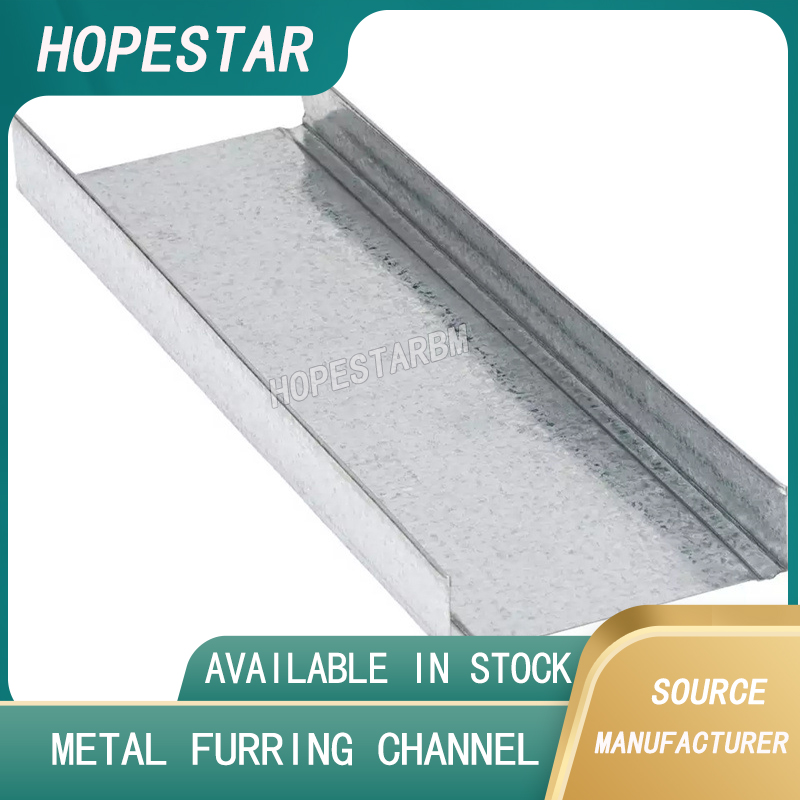
Metal Furring Channel vs Wood
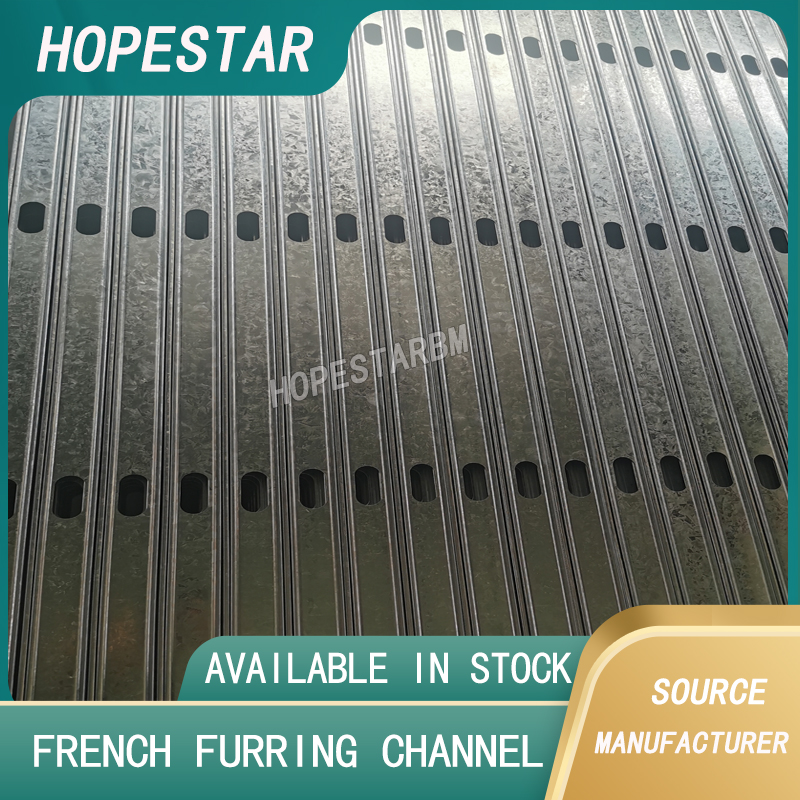
Metal Furring Channel vs. Wood Furring: A Comparison
When choosing between metal furring channels and wood furring, it’s essential to consider factors such as durability, cost, installation, and performance in different environments. Here’s a detailed comparison:
1. Durability and Strength
-
Metal Furring Channel: Made from galvanized or stainless steel, metal furring channels are resistant to moisture, termites, and fire. They do not warp, shrink, or rot over time, making them ideal for long-term applications.
-
Wood Furring: Wood is susceptible to moisture damage, mold, and termite infestation. It can also warp or shrink due to temperature and humidity changes. However, pressure-treated wood can enhance durability.
2. Installation and Workability
-
Metal Furring Channel: Requires special fasteners and tools for cutting and installation. It is lightweight and easy to transport, but installation may take longer compared to wood.
-
Wood Furring: Easier to cut and install using common woodworking tools. It allows for quick adjustments and is more DIY-friendly.
3. Fire Resistance
-
Metal Furring Channel: Non-combustible, making it safer for fire-prone areas and improving overall fire ratings of buildings.
-
Wood Furring: Combustible and may require fire-retardant treatments in high-risk areas.
4. Cost
-
Metal Furring Channel: Generally more expensive upfront due to material and installation costs, but its durability leads to lower maintenance expenses over time.
-
Wood Furring: Typically more affordable initially, but potential maintenance and replacement costs can add up due to susceptibility to moisture and pests.
5. Application Suitability
-
Metal Furring Channel: Best for commercial buildings, high-humidity areas (bathrooms, basements), and fire-rated structures.
-
Wood Furring: Suitable for residential applications and areas with minimal moisture exposure.
Conclusion
If long-term durability, fire resistance, and moisture protection are priorities, metal furring channels are the superior choice. However, if cost-effectiveness and ease of installation are the main concerns, wood furring may be a better option for certain projects.
Metal Stud Sizes and Specifications
Introduction to Z-Furring Channel
Related Article