
Metal furring channel sizes
2024-06-07
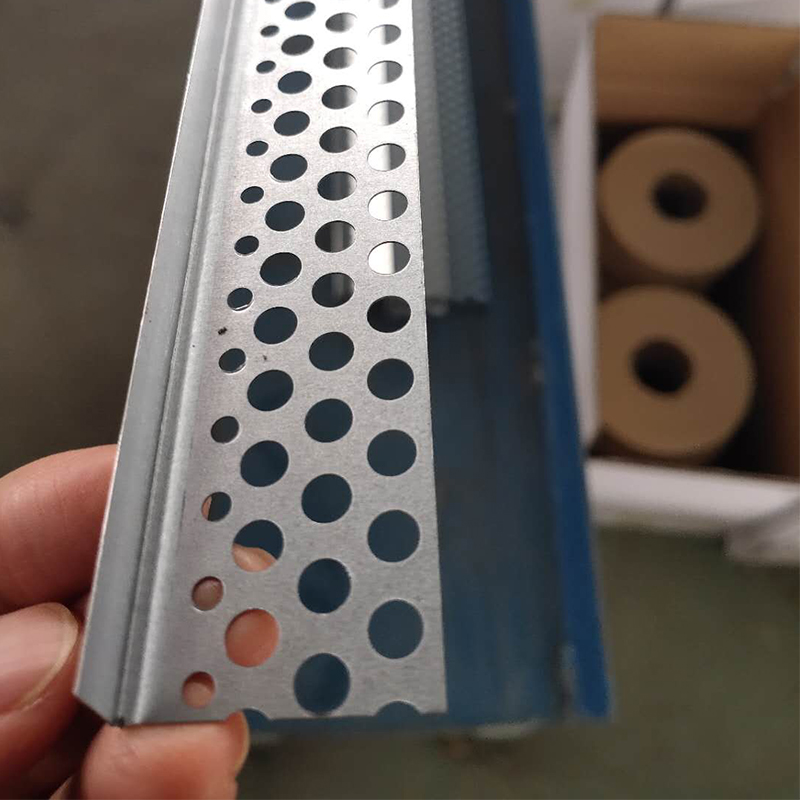
Metal furring channels, also known as metal framing channels or metal stud framing, are an integral part of the construction industry, specifically in the realm of drywall partitioning. These channels provide a strong and reliable framework for attaching drywall panels, enabling the creation of interior walls, ceilings, and other partitions. Understanding the various sizes of metal furring channels and their applications is crucial for effective and efficient construction projects.
The sizes of metal furring channels typically vary depending on the intended use and the requirements of the project. These channels are generally measured in terms of their width, depth, and gauge (thickness). The width of the channel determines the span it can support, while the depth affects its structural integrity and the type of attachments it can accommodate. The gauge, on the other hand, indicates the thickness of the metal, which directly impacts the strength and weight-bearing capacity of the channel.
In residential and light commercial applications, smaller-sized metal furring channels are commonly used. These channels are typically narrower in width and shallower in depth, yet still possess sufficient strength to support drywall panels. They are ideal for creating partitions in offices, retail stores, and other spaces where lighter-duty walls are sufficient.
On the other hand, larger-sized metal furring channels are required for heavier-duty applications such as commercial and industrial construction projects. These channels are wider and deeper, providing increased structural support and stability. They are often used in warehouses, factories, and other large-scale facilities where the walls and ceilings need to withstand greater loads and stresses.
In addition to varying sizes, metal furring channels can also be customized to meet specific project requirements. For instance, some channels may feature notches or slots that allow for easy attachment of drywall panels or other fixtures. Others may be designed with reinforced ribs or bends to enhance their structural integrity and strength.
The installation of metal furring channels is also an important aspect to consider. Proper installation ensures that the channels are securely fastened to the floor, ceiling, or other structural supports, providing a stable foundation for the drywall panels. This involves the use of appropriate fasteners and techniques to ensure that the channels are level, plumb, and securely anchored.
Moreover, the type of metal used for the furring channels can also vary depending on the specific requirements of the project. Steel is a commonly used material due to its strength, durability, and cost-effectiveness. However, other metals such as aluminum may be used in certain applications where lighter weight or corrosion resistance is desired.
When selecting metal furring channels for a construction project, it is crucial to consult with a qualified contractor or designer to ensure that the channels selected are suitable for the intended use and comply with local building codes and regulations. Failure to choose the correct size or type of channel can lead to structural issues, installation challenges, and potential safety hazards.
In conclusion, metal furring channels play a vital role in the construction of interior partitions and walls. Understanding the various sizes, types, and installation requirements of these channels is essential for ensuring the success of any construction project. By selecting the appropriate size and type of channel and installing them correctly, contractors can create stable and durable partitions that meet the needs of their clients and comply with industry standards.
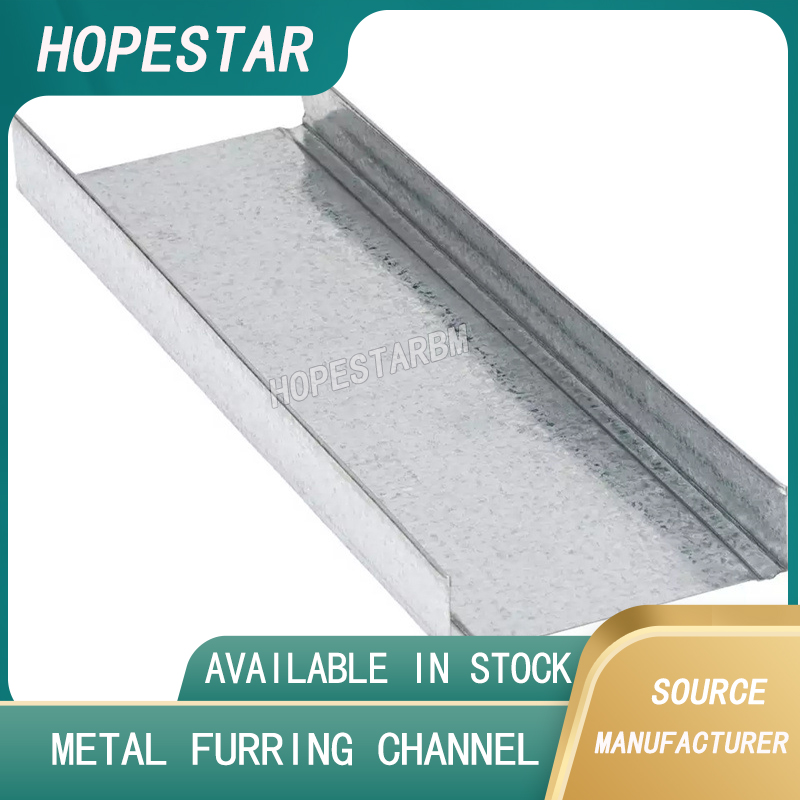
Metal furring channel home depot
Galvanized Steel Keel C Channel Metal Furring Channel
Related Article

Ceiling wall angle, also known as perimeter angle or L-angle, is an indispensable L-shaped metal profile for suspended drywall ceiling systems. Roll-formed from cold-rolled galvanized steel, ceiling wall angle is fixed along the wall perimeter to support the ends of main channels and furring channels,
Ceiling Wall Angle – Galvanized L-Shaped Perimeter Trim for Suspended Drywall Ceilings
Galvanized steel profiles are the foundational metal framing components widely used in modern interior construction. Roll-formed from cold-rolled steel coated with protective zinc layer, galvanized steel profiles cover a full range of shapes including C studs, U tracks, omega channels,
Galvanized Steel Profiles – Reliable Cold Rolled Framing for Drywall Walls and Ceilings

Metal furring channel for ceiling is a vital secondary framing component widely used in suspended ceiling and drywall ceiling systems. Roll-formed from cold-rolled galvanized steel, this lightweight metal profile works together with main channels, hangers and wall angles to create a level,
Metal Furring Channel for Ceiling – Galvanized Secondary Framing for Suspended Drywall Ceilings

Metal omega channel, also widely called omega furring channel or hat channel, is an indispensable secondary metal framing profile for modern suspended ceilings and drywall wall furring systems. Named after its distinctive Ω shape, this profile is roll-formed from cold-rolled galvanized steel
Metal Omega Channel – Galvanized Omega Furring Channel for Drywall Ceiling and Wall Framing