
Metal furring channel installation
2024-06-07
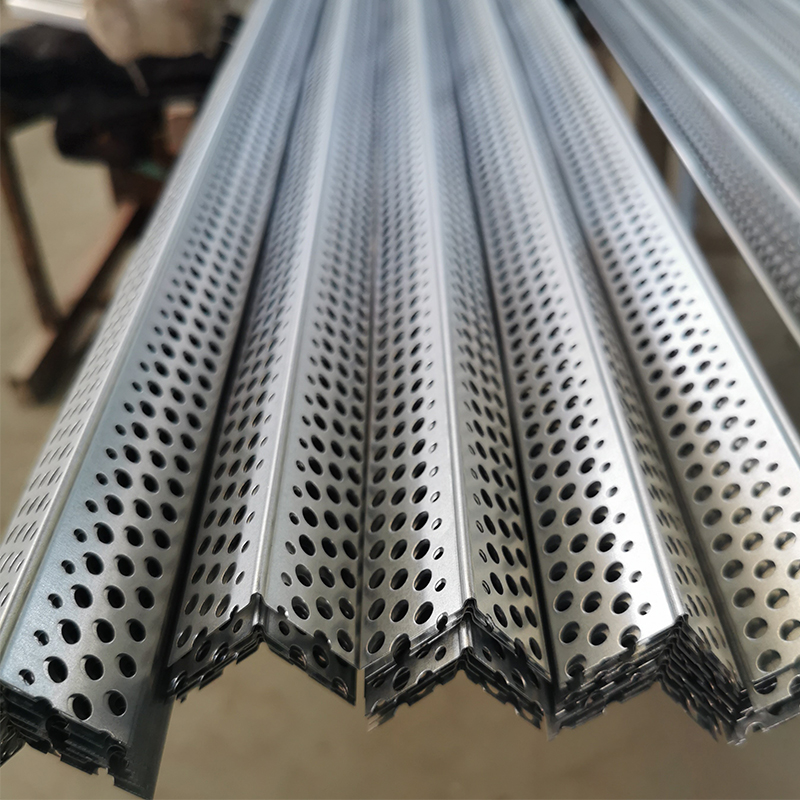
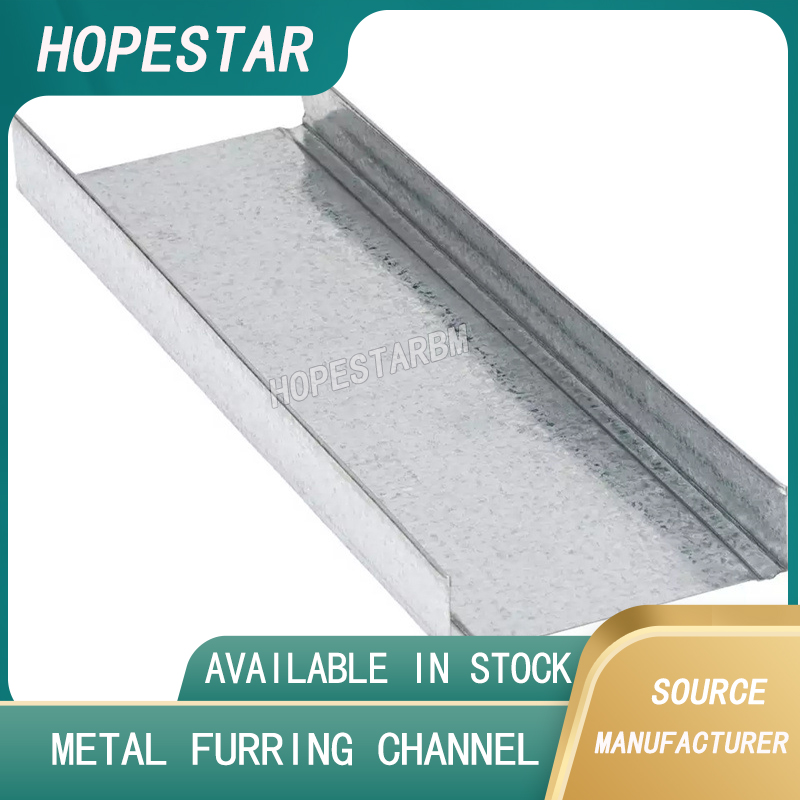
Metal furring channel installation is a crucial aspect of construction work, particularly in the realm of interior finish systems. It involves the precise installation of metal channels that provide a stable framework for various materials, such as drywall, ceiling tiles, and other finishes. The process requires attention to detail and a thorough understanding of building codes and safety regulations.
Before commencing the installation of metal furring channels, it is essential to conduct a thorough inspection of the work area. This includes checking for any obstacles or hazards that could potentially hinder the installation process. Additionally, it is important to ensure that all necessary tools and equipment are on hand and in good working order.
Once the work area is cleared and prepared, the first step in the installation process is to mark out the locations for the furring channels. This is typically done using a tape measure, level, and pencil. The channels should be aligned with the existing structure of the building to ensure stability and uniform spacing.
After marking out the locations, the next step is to attach the furring channels to the walls or ceiling. This is accomplished using fasteners such as screws or nails. It is important to use the appropriate fasteners for the specific type of material being installed, as well as ensuring that they are tightened securely but not excessively.
Once the furring channels are securely in place, the next step is to install any cross-members or braces that are required to support the channels. These components provide additional stability and rigidity to the system, ensuring that it can withstand the weight and pressure of the finishes that will be applied.
After the framework is complete, the next step is to install the desired finish materials. This can include drywall, ceiling tiles, or any other material that is suitable for the specific application. The installation process for these materials will vary depending on their type and the specific requirements of the project. However, it is important to ensure that they are properly aligned and secured to the furring channels to achieve a smooth and uniform appearance.
During the installation process, it is crucial to maintain a high level of safety. This includes wearing appropriate protective gear, such as safety glasses and gloves, to prevent injuries. Additionally, it is important to follow all safety regulations and procedures to minimize the risk of accidents.
Once the installation is complete, it is important to conduct a thorough inspection to ensure that everything has been installed correctly. This includes checking for any loose or misaligned components and ensuring that all fasteners are securely tightened. If any issues are identified, they should be addressed immediately to ensure the integrity of the system.
In conclusion, metal furring channel installation is a crucial aspect of interior finish systems that requires attention to detail and a thorough understanding of construction principles. By following the steps outlined in this article, you can ensure a successful installation that will provide a stable and durable framework for your chosen finish materials. With proper planning and execution, you can create a beautiful and functional interior space that meets all of your needs and expectations.
How to install a furring channel on a ceiling?
Metal furring channel home depot
Related Article

Ceiling wall angle, also known as perimeter angle or L-angle, is an indispensable L-shaped metal profile for suspended drywall ceiling systems. Roll-formed from cold-rolled galvanized steel, ceiling wall angle is fixed along the wall perimeter to support the ends of main channels and furring channels,
Ceiling Wall Angle – Galvanized L-Shaped Perimeter Trim for Suspended Drywall Ceilings
Galvanized steel profiles are the foundational metal framing components widely used in modern interior construction. Roll-formed from cold-rolled steel coated with protective zinc layer, galvanized steel profiles cover a full range of shapes including C studs, U tracks, omega channels,
Galvanized Steel Profiles – Reliable Cold Rolled Framing for Drywall Walls and Ceilings

Metal furring channel for ceiling is a vital secondary framing component widely used in suspended ceiling and drywall ceiling systems. Roll-formed from cold-rolled galvanized steel, this lightweight metal profile works together with main channels, hangers and wall angles to create a level,
Metal Furring Channel for Ceiling – Galvanized Secondary Framing for Suspended Drywall Ceilings

Metal omega channel, also widely called omega furring channel or hat channel, is an indispensable secondary metal framing profile for modern suspended ceilings and drywall wall furring systems. Named after its distinctive Ω shape, this profile is roll-formed from cold-rolled galvanized steel
Metal Omega Channel – Galvanized Omega Furring Channel for Drywall Ceiling and Wall Framing