
Metal Frame Construction
2026-07-20
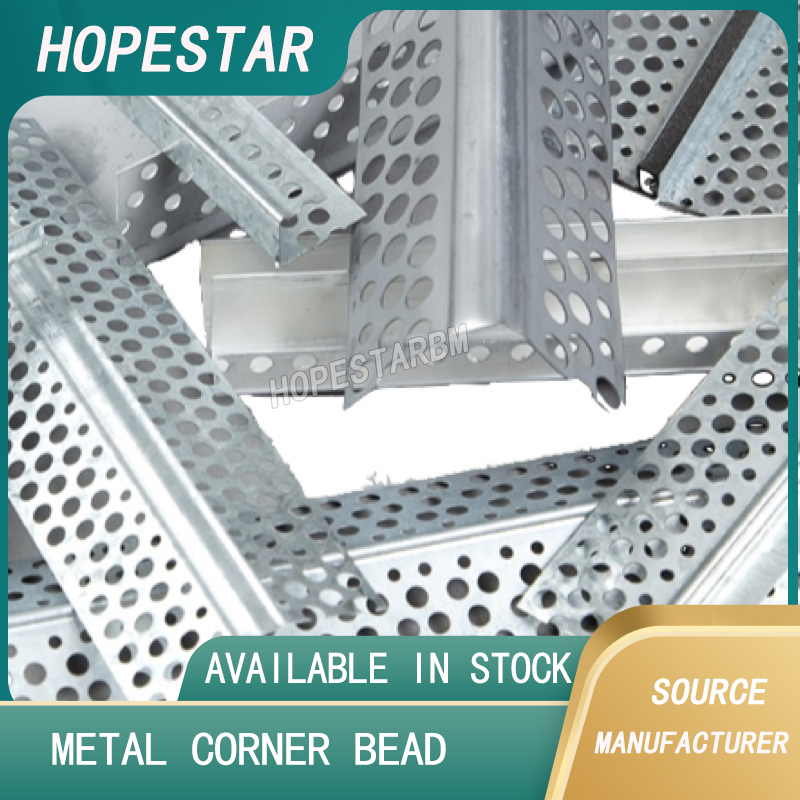
Metal frame construction is a modern, efficient building method that uses lightweight steel and aluminum frames as the primary structural support for residential, commercial, and industrial buildings. As a superior alternative to traditional wooden and concrete frame construction, metal framing has become a mainstream choice in the global construction industry. It features standardized production, stable structural performance, and flexible design, perfectly matching the demands of modern fast-paced, high-quality, and green building projects. More contractors and property owners prioritize metal frame construction for its reliability, cost efficiency, and long-term structural safety.
One of the biggest strengths of metal frame construction is its exceptional structural durability and stability. High-quality galvanized steel and alloy frames are treated with anti-rust and anti-corrosion processes, effectively resisting moisture erosion, insect damage, and mold growth that commonly plague wooden frames. Metal frames will not warp, shrink, or deform with changes in temperature and humidity, maintaining consistent structural tightness and flatness for decades. Additionally, metal materials boast strong load-bearing capacity and seismic resistance, greatly improving the overall safety and anti-collapse performance of buildings.
Fast installation and outstanding cost-effectiveness are key reasons for the widespread adoption of metal frame construction. All metal frame components are prefabricated in factories with precise sizes and standardized specifications. On construction sites, workers only need to assemble and fix the pre-made parts, eliminating tedious on-site cutting, pouring, and curing processes. This dry construction method greatly shortens project construction cycles, reduces manual labor costs, and lowers material waste. Although the initial material investment is slightly higher than wood framing, its ultra-low maintenance rate and long service life significantly reduce long-term operating costs.
Metal frame construction also excels in fire resistance and environmental friendliness. Unlike flammable wood structures, metal frames are non-combustible materials that can effectively block flame spread and meet strict international building fire safety standards. In terms of environmental protection, metal frame materials are 100% recyclable and reusable, producing almost no construction waste. It avoids deforestation caused by wooden frame construction and reduces carbon emissions during the building lifecycle, fully complying with modern green and low-carbon building concepts.
Moreover, metal frame construction offers extremely high design flexibility and compatibility. Its lightweight structure reduces the overall load of the building, allowing designers to create diverse spatial layouts, including high ceilings, large-span spaces, and irregular architectural shapes. It is perfectly compatible with gypsum board, cement fiber board, thermal insulation, and sound insulation materials, suitable for interior partition walls, ceiling systems, villa structures, factory buildings, and commercial plaza projects.
In conclusion, metal frame construction is a revolutionary modern building technology integrating safety, efficiency, durability, and environmental protection. It overcomes the various defects of traditional building frames and adapts to diverse construction scenarios. For new building construction, old building renovation, and rapid space construction, metal frame construction can always deliver stable, high-quality, and economical building solutions.
Cement Fiber Board
Channel Steel
Related Article

Ceiling wall angle, also known as perimeter angle or L-angle, is an indispensable L-shaped metal profile for suspended drywall ceiling systems. Roll-formed from cold-rolled galvanized steel, ceiling wall angle is fixed along the wall perimeter to support the ends of main channels and furring channels,
Ceiling Wall Angle – Galvanized L-Shaped Perimeter Trim for Suspended Drywall Ceilings
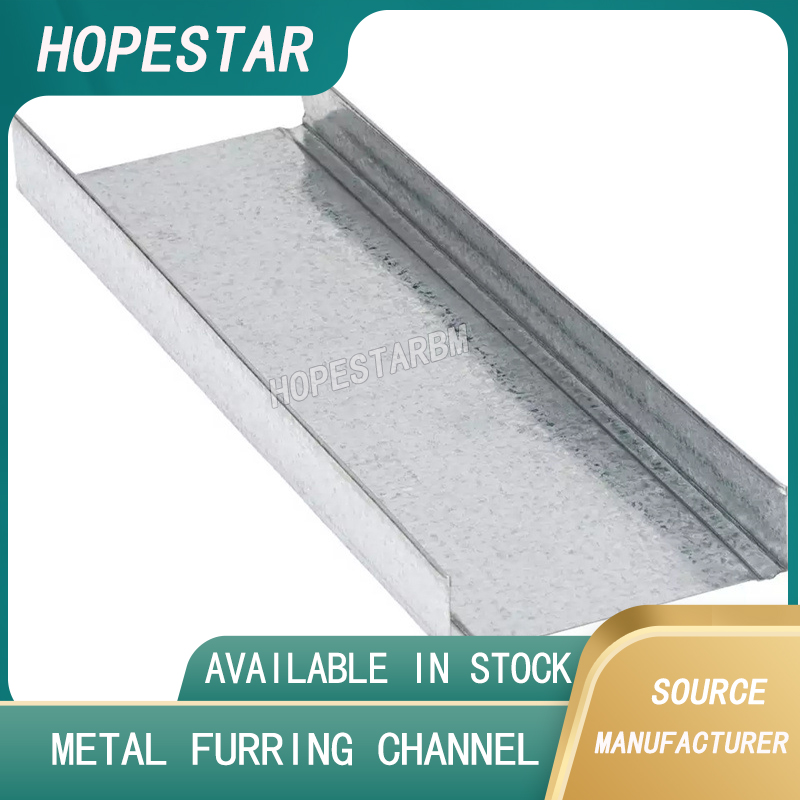
Galvanized steel profiles are the foundational metal framing components widely used in modern interior construction. Roll-formed from cold-rolled steel coated with protective zinc layer, galvanized steel profiles cover a full range of shapes including C studs, U tracks, omega channels,
Galvanized Steel Profiles – Reliable Cold Rolled Framing for Drywall Walls and Ceilings

Metal furring channel for ceiling is a vital secondary framing component widely used in suspended ceiling and drywall ceiling systems. Roll-formed from cold-rolled galvanized steel, this lightweight metal profile works together with main channels, hangers and wall angles to create a level,
Metal Furring Channel for Ceiling – Galvanized Secondary Framing for Suspended Drywall Ceilings

Metal omega channel, also widely called omega furring channel or hat channel, is an indispensable secondary metal framing profile for modern suspended ceilings and drywall wall furring systems. Named after its distinctive Ω shape, this profile is roll-formed from cold-rolled galvanized steel
Metal Omega Channel – Galvanized Omega Furring Channel for Drywall Ceiling and Wall Framing