Metal Corner Bead Drywall and Its Role in Perfect Wall Finishing
In the world of construction and interior finishing, drywall is one of the most common materials used to create smooth and durable walls. However, drywall alone is not enough to guarantee flawless corners that can resist wear and tear. That is where metal corner bead drywall solutions come in. This essential product helps strengthen vulnerable edges, provides a sharp and professional look, and ensures that walls maintain their shape for years. Understanding how metal corner bead drywall works and why it is used is vital for homeowners, contractors, and anyone interested in achieving a high-quality finish.
What Is Metal Corner Bead Drywall?
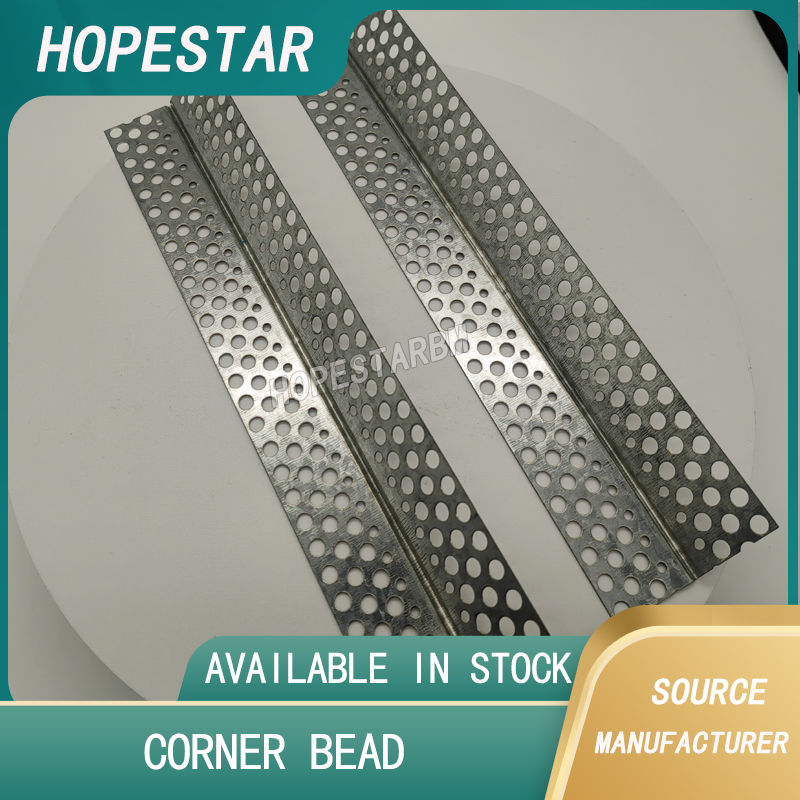
Metal corner bead drywall refers to the application of metal corner beads on drywall surfaces, particularly on external corners. These beads are typically made of galvanized steel or aluminum and are designed in a 90-degree angle with flanges that contain small perforations. The perforations allow joint compound, also known as mud, to seep through and bond the bead securely to the drywall surface.
Without metal corner bead drywall installation, the exposed corners of drywall sheets would be weak, easily chipped, and prone to cracking. By reinforcing these areas, metal corner beads extend the durability of drywall and give a professional appearance.
Advantages of Metal Corner Bead Drywall
There are several reasons why professionals consistently choose metal corner bead drywall:
-
Strength and Durability – Metal corner bead adds rigidity to fragile drywall edges, preventing damage in high-traffic areas.
-
Crisp, Straight Corners – Its structural design ensures that every corner line remains sharp and perfectly aligned.
-
Long-Term Value – With metal reinforcement, drywall corners last much longer, reducing maintenance and repair costs.
-
Professional Aesthetic – Finished corners look polished, enhancing the overall visual appeal of any room.
-
Cost Efficiency – Metal corner bead drywall installation is affordable, yet it significantly improves the longevity of drywall construction.
Types of Metal Corner Beads for Drywall
Although the standard 90-degree metal corner bead drywall is the most common, there are multiple types available to meet different design needs:
-
Bullnose metal corner bead drywall – Creates rounded corners for a softer appearance, often used in modern homes.
-
Flexible metal corner bead – Designed to adapt to irregular or curved walls.
-
Heavy-duty metal corner bead – Made from thicker steel for commercial or industrial projects where walls endure more impact.
Choosing the right type depends on whether you want sharp lines, rounded edges, or reinforced strength for demanding environments.
How to Install Metal Corner Bead Drywall
Installing metal corner bead drywall is a straightforward process, but it requires precision. The steps include:
-
Measure and Cut – Use tin snips to cut the metal corner bead to the correct length, leaving a small gap from the ceiling and floor to prevent buckling.
-
Position the Bead – Place the bead firmly on the drywall corner, ensuring it is perfectly straight.
-
Fasten the Bead – Either attach it with drywall nails or screws every 8–10 inches, or embed it directly into wet joint compound.
-
Apply Joint Compound – Cover the bead with mud, feathering the compound smoothly across both sides. Allow it to dry completely.
-
Apply Additional Coats – Use wider drywall knives to apply second and third coats, sanding lightly between coats to achieve a seamless transition.
-
Finish and Paint – Once dry and smooth, the corner can be primed and painted for a professional look.
When installed correctly, metal corner bead drywall offers a flawless, long-lasting finish.
Metal Corner Bead Drywall vs. Vinyl Corner Bead
While metal corner bead drywall is a popular choice, vinyl corner beads are also available. Vinyl is lightweight, rust-resistant, and easier to cut, making it a convenient option in some cases. However, metal corner bead drywall is still preferred in most professional projects due to its strength and ability to withstand heavy use. For areas with high traffic or frequent impact, metal remains the superior choice.
Common Mistakes to Avoid
Even though metal corner bead drywall installation is relatively simple, mistakes can occur:
-
Poor Alignment – If the bead is not straight, the finished corner will look uneven.
-
Too Much Sanding – Over-sanding can expose the metal and ruin the smooth surface.
-
Weak Fastening – If not secured properly, the bead may shift or pop out over time.
By avoiding these mistakes, you can ensure that your drywall finish looks professional and lasts longer.
Conclusion
The use of metal corner bead drywall is essential for anyone who wants to achieve perfect corners in their drywall projects. It not only reinforces the most fragile parts of a wall but also delivers sharp, durable, and professional-looking finishes. Whether you are renovating a home, building a commercial property, or tackling a DIY project, incorporating metal corner bead drywall will enhance both the strength and the aesthetics of your walls. This affordable yet highly effective material continues to be a cornerstone of drywall finishing in modern construction.
Standard Metal Corner Bead Sizes
Metal Corner Bead and Its Importance in Drywall Finishing
Related Article