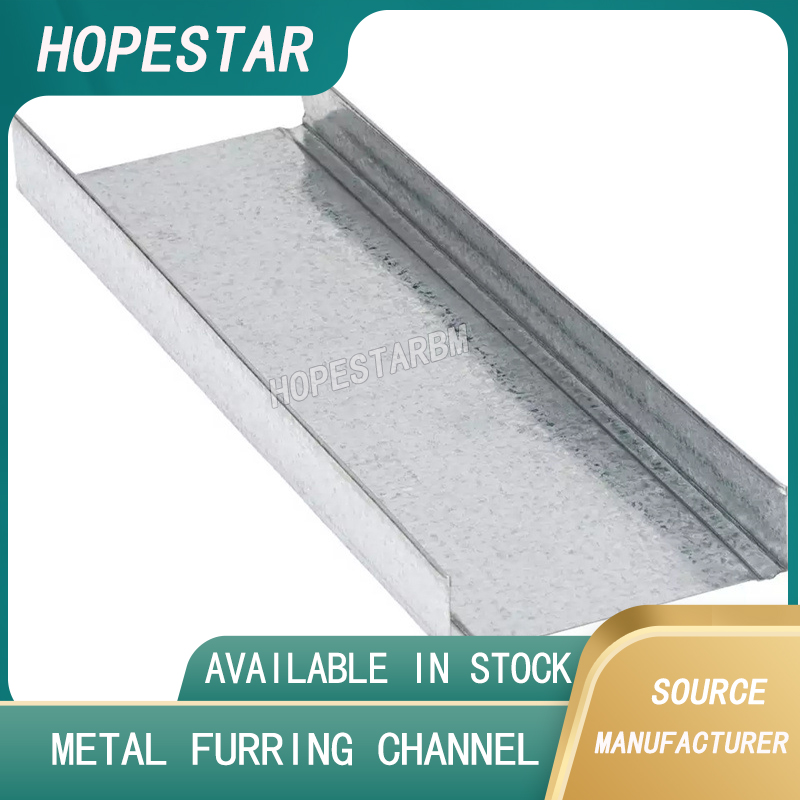
Metal Corner Bead and Its Importance in Drywall Finishing
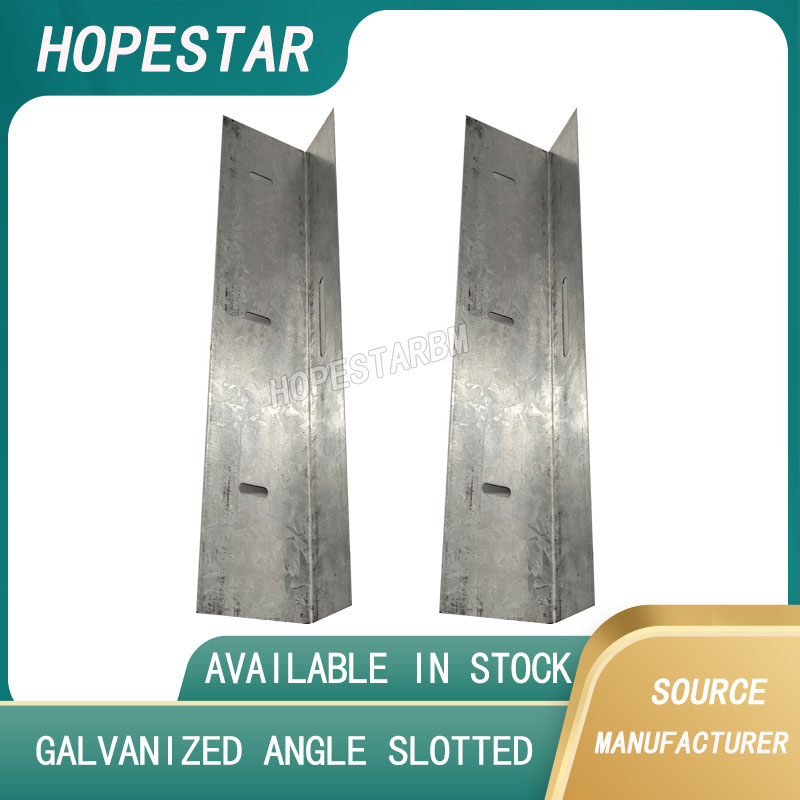
When it comes to achieving professional-quality drywall finishing, one product stands out as essential: the metal corner bead. This simple yet highly effective building material plays a critical role in creating strong, straight, and clean corners that can withstand daily wear and tear. Whether you are working on residential or commercial construction, understanding the uses, benefits, and installation methods of metal corner bead will help you produce durable and visually appealing results.
What Is a Metal Corner Bead?
A metal corner bead is a strip of galvanized steel or aluminum designed to protect the outside corners of drywall surfaces. It has an angled shape that fits snugly over corner joints, and it features small perforations or holes along its flanges. These perforations allow drywall compound to adhere securely, ensuring a seamless finish once the wall is painted.
The primary function of the metal corner bead is reinforcement. Drywall corners are some of the most vulnerable areas in any building. Without reinforcement, they are prone to chipping, cracking, or becoming misshapen over time. A properly installed metal corner bead ensures that the edges remain straight, sharp, and resistant to impact, which greatly extends the lifespan of the finished wall.
Benefits of Using Metal Corner Bead
There are several reasons why contractors, builders, and homeowners choose metal corner bead during drywall installation:
-
Durability – Metal provides excellent resistance to everyday impacts, making it ideal for high-traffic areas like hallways, staircases, and entryways.
-
Straight Corners – The rigid structure ensures corners remain perfectly aligned, giving a professional and polished appearance.
-
Cost-Effective – Metal corner bead is affordable and widely available, making it a practical solution for both small and large projects.
-
Versatility – It comes in different lengths and profiles, including standard 90-degree and bullnose options, allowing for both sharp and rounded finishes.
-
Compatibility – Works well with both mechanical fastening methods and mud-on applications, making it suitable for a wide range of projects.
Types of Metal Corner Beads
Although the standard 90-degree metal corner bead is most common, there are variations to fit different design preferences:
-
Bullnose metal corner bead – Creates rounded corners for a softer look.
-
Flexible metal bead – Designed for irregular or curved surfaces.
-
Heavy-duty corner bead – Thicker gauge metal for industrial or high-impact areas.
Choosing the right type depends on the style and functionality required for the project.
How to Install a Metal Corner Bead
The installation of a metal corner bead is straightforward but requires attention to detail. Here are the basic steps:
-
Measure and Cut – Cut the bead slightly shorter than the wall height using tin snips. This ensures it does not bind against the floor or ceiling.
-
Position the Bead – Place it snugly over the drywall corner, making sure it is straight.
-
Attach the Bead – Fasten it with drywall nails or screws every 8–10 inches, or use the mud-on method by embedding it into joint compound.
-
Apply Joint Compound – Spread a layer of compound over the bead, feathering it out on both sides. Allow it to dry completely.
-
Second and Third Coats – Apply additional coats with wider drywall knives, sanding lightly between coats for a smooth finish.
-
Prime and Paint – Once the final sanding is complete, the corner is ready for priming and painting.
A properly installed metal corner bead results in flawless, durable corners that enhance the overall appearance of the wall.
Metal Corner Bead vs. Vinyl Corner Bead
While metal corner bead remains a popular choice, vinyl corner bead has also gained traction in recent years. Vinyl is rust-resistant, flexible, and lightweight, making it easier to work with in certain conditions. However, metal still provides superior strength and is generally preferred for areas exposed to heavy use. In most professional construction projects, metal corner bead continues to be the standard.
Common Mistakes to Avoid
When working with metal corner bead, a few common mistakes can compromise the quality of the finish:
-
Improper Alignment – If the bead is not straight, the finished corner will look uneven.
-
Over-Sanding – Sanding too aggressively can expose the bead, requiring reapplication of compound.
-
Insufficient Fastening – Not securing the bead properly may cause it to loosen over time.
By paying attention to these details, you can avoid costly rework and ensure a professional result.
Conclusion
The metal corner bead is a simple yet indispensable part of drywall finishing. It provides durability, precision, and long-lasting protection to one of the most vulnerable areas in any wall system. Whether you are a professional contractor or a DIY enthusiast, using metal corner bead ensures that your drywall installation not only looks sharp but also withstands the test of time. From residential renovations to large-scale commercial projects, this material continues to be a top choice for achieving strong, clean, and professional-looking corners.
Metal Corner Bead Drywall and Its Role in Perfect Wall Finishing
What are the Standard Sizes of Steel Studs?
Related Article