
metal channel for drywall install
2024-07-19
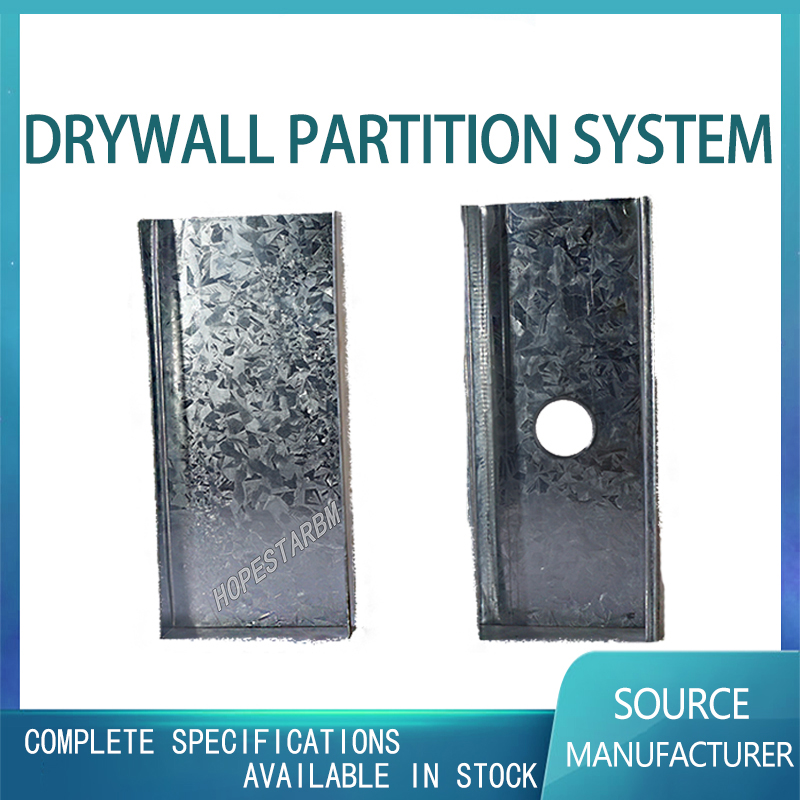
The metal channel for drywall installation is relatively simple and generally includes the following steps:
1. Measurement and planning: Measure and plan the size and position of the keel frame according to actual needs.
2. Install the main keel: Fix the main keel on the wall or ceiling, ensuring that the keel is horizontal, vertical, and firm.
3. Install secondary keels: Install secondary keels between the main keels to form a keel frame. Special connectors are used to connect the secondary keel to the main keel.
4. Panel installation: Install panel materials such as gypsum board, calcium silicate board, etc. on the keel frame. The panel material should be tightly adhered to the keel to ensure a smooth and beautiful appearance.
5. Closing work: Inspect and adjust the installed drywall light steel keel system to ensure that all performance meets the requirements. At the same time, perform necessary cleaning and maintenance work.
The development trend of metal channel for drywall is mainly reflected in the following aspects:
1. Green environmental protection: With the continuous improvement of environmental awareness, dry wall light steel keel will pay more attention to the selection and recycling of environmentally friendly materials to meet the requirements of green buildings.
2. Intelligence: Combining advanced technologies such as the Internet of Things and big data, the drywall light steel keel system can achieve intelligent control and management, improving the efficiency and comfort of building use.
3. Customization: Based on the personalized needs of users, the drywall light steel keel system can achieve customized design and production to meet the needs of different places and functions.
4. Multifunctionality: The drywall light steel keel system can not only be used in indoor and outdoor decoration, partitions, ceilings, and other fields, but can also be combined with other building materials to achieve more functions and applications.
1. Measurement and planning: Measure and plan the size and position of the keel frame according to actual needs.
2. Install the main keel: Fix the main keel on the wall or ceiling, ensuring that the keel is horizontal, vertical, and firm.
3. Install secondary keels: Install secondary keels between the main keels to form a keel frame. Special connectors are used to connect the secondary keel to the main keel.
4. Panel installation: Install panel materials such as gypsum board, calcium silicate board, etc. on the keel frame. The panel material should be tightly adhered to the keel to ensure a smooth and beautiful appearance.
5. Closing work: Inspect and adjust the installed drywall light steel keel system to ensure that all performance meets the requirements. At the same time, perform necessary cleaning and maintenance work.
The development trend of metal channel for drywall is mainly reflected in the following aspects:
1. Green environmental protection: With the continuous improvement of environmental awareness, dry wall light steel keel will pay more attention to the selection and recycling of environmentally friendly materials to meet the requirements of green buildings.
2. Intelligence: Combining advanced technologies such as the Internet of Things and big data, the drywall light steel keel system can achieve intelligent control and management, improving the efficiency and comfort of building use.
3. Customization: Based on the personalized needs of users, the drywall light steel keel system can achieve customized design and production to meet the needs of different places and functions.
4. Multifunctionality: The drywall light steel keel system can not only be used in indoor and outdoor decoration, partitions, ceilings, and other fields, but can also be combined with other building materials to achieve more functions and applications.
C Channel Steel Price
metal channel for drywall
Related Article

Ceiling wall angle, also known as perimeter angle or L-angle, is an indispensable L-shaped metal profile for suspended drywall ceiling systems. Roll-formed from cold-rolled galvanized steel, ceiling wall angle is fixed along the wall perimeter to support the ends of main channels and furring channels,
Ceiling Wall Angle – Galvanized L-Shaped Perimeter Trim for Suspended Drywall Ceilings
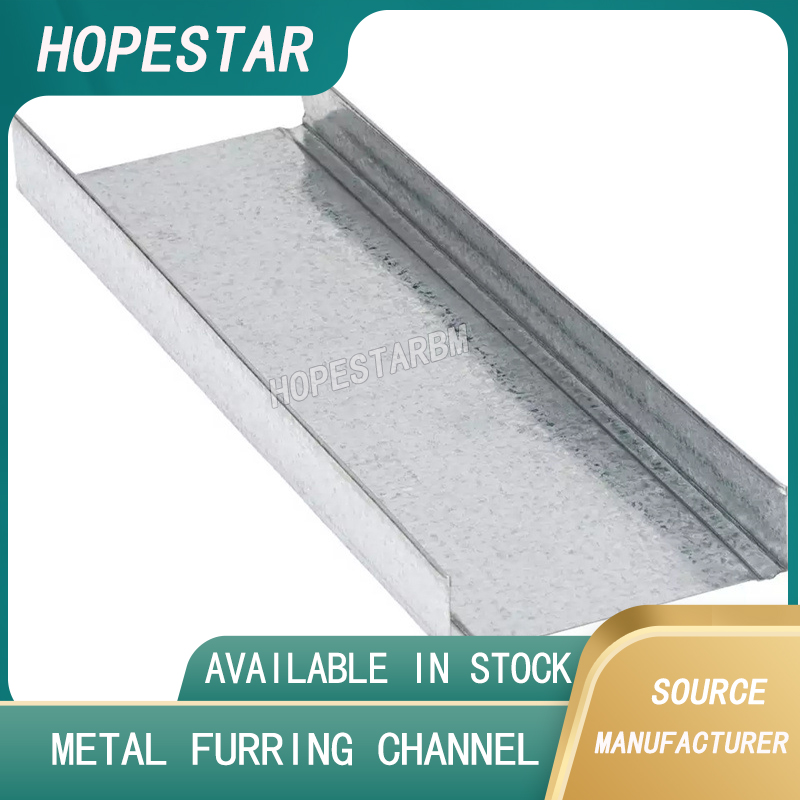
Galvanized steel profiles are the foundational metal framing components widely used in modern interior construction. Roll-formed from cold-rolled steel coated with protective zinc layer, galvanized steel profiles cover a full range of shapes including C studs, U tracks, omega channels,
Galvanized Steel Profiles – Reliable Cold Rolled Framing for Drywall Walls and Ceilings

Metal furring channel for ceiling is a vital secondary framing component widely used in suspended ceiling and drywall ceiling systems. Roll-formed from cold-rolled galvanized steel, this lightweight metal profile works together with main channels, hangers and wall angles to create a level,
Metal Furring Channel for Ceiling – Galvanized Secondary Framing for Suspended Drywall Ceilings

Metal omega channel, also widely called omega furring channel or hat channel, is an indispensable secondary metal framing profile for modern suspended ceilings and drywall wall furring systems. Named after its distinctive Ω shape, this profile is roll-formed from cold-rolled galvanized steel
Metal Omega Channel – Galvanized Omega Furring Channel for Drywall Ceiling and Wall Framing