
Metal Building Frame
2026-09-17
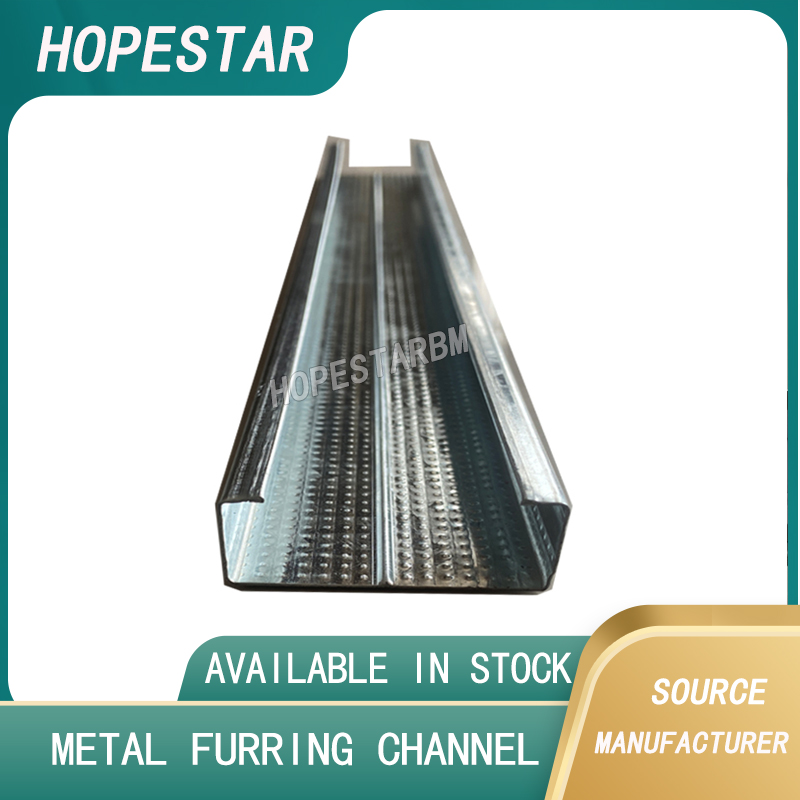
Metal building frames have become the backbone of modern commercial, industrial, and residential construction, replacing traditional wooden and concrete framing systems with unmatched performance and flexibility. Made of high-strength galvanized steel, metal building frames are prefabricated structural systems designed to support walls, roofs, and entire building envelopes. With superior durability, cost efficiency, and fast installation, they have emerged as the top choice for contractors, developers, and business owners worldwide for new construction, expansion, and renovation projects.
One of the greatest advantages of a metal building frame is its exceptional structural strength and long-term stability. Steel has a high tensile strength and rigid structural performance that wood cannot replicate. Unlike wooden frames that warp, shrink, bend, or suffer from insect damage over time, galvanized metal frames maintain consistent dimensional stability in all weather conditions. They resist heavy winds, snow loads, and minor seismic activity, effectively preventing structural deformation, wall cracking, and roof sagging. This reliable structural integrity ensures buildings remain safe and stable for 50 years or more with minimal maintenance.
Superior durability and corrosion resistance make metal building frames ideal for all environmental conditions. High-quality metal frames feature a full galvanized coating that acts as a protective barrier against rust, oxidation, and moisture erosion. They are completely immune to termites, mold, rot, and mildew, which are common destructive factors for traditional building frames. Whether deployed in humid coastal regions, rainy climates, dry inland areas, or industrial environments with slight chemical corrosion, metal building frames retain their original performance and structural toughness year-round.
Fire safety is another core benefit that elevates metal building frames above conventional framing materials. Steel is a non-combustible building material that does not catch fire, burn, or spread flames. It will not produce toxic smoke during fire accidents, greatly reducing fire hazards and property loss. When combined with fire-resistant insulation and wall panels, metal frame buildings can meet strict international fire code standards, making them suitable for warehouses, factories, shopping centers, and public facilities with high safety requirements.
Metal building frames significantly reduce construction time and overall project costs. Most metal frame components are prefabricated in factories with precise standard sizes, requiring only on-site assembly after transportation. This eliminates time-consuming on-site cutting, pouring, and curing processes compared with concrete and wood construction. The lightweight steel structure also reduces foundation load requirements, lowering foundation construction costs. Faster project completion shortens investment cycles, allowing property owners to put buildings into use and generate returns sooner.
Eco-friendliness and design flexibility further enhance the value of metal building frames. Steel is 100% recyclable, producing far less construction waste than traditional building methods and reducing deforestation and resource consumption. In terms of design, metal frames support large-span spaces without excessive middle columns, creating open, flexible interior layouts. They can be freely customized in size, height, and structure to adapt to diverse needs, including industrial warehouses, workshop buildings, office buildings, retail stores, and residential prefab buildings.
Thermal insulation and sound insulation performance also make metal frame buildings highly practical. Matching insulation materials fill the gaps of metal frames, effectively isolating indoor and outdoor temperature differences and reducing energy consumption for air conditioning and heating. Meanwhile, the integrated structural design weakens sound transmission, improving indoor comfort and meeting the usage needs of commercial and office spaces.
In conclusion, metal building frames represent the advanced trend of modern green construction. Integrating high strength, fire resistance, anti-corrosion, fast installation, environmental protection, and flexible design, they overcome almost all the shortcomings of traditional framing systems. For modern construction projects pursuing safety, economy, efficiency, and durability, metal building frames are the most reliable and cost-effective structural solution.
Hat Channel Steel
Related Article
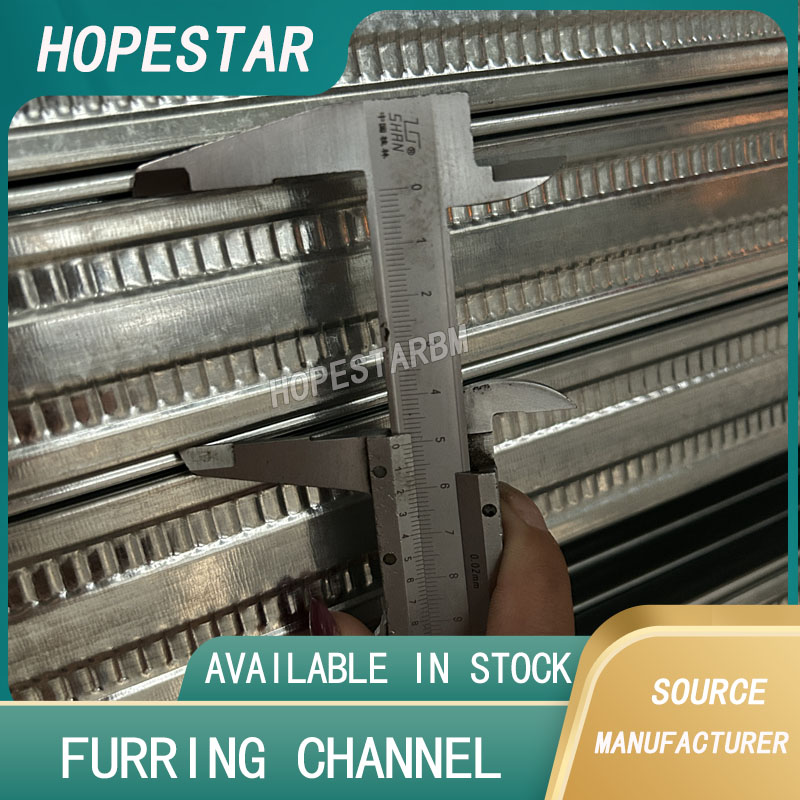
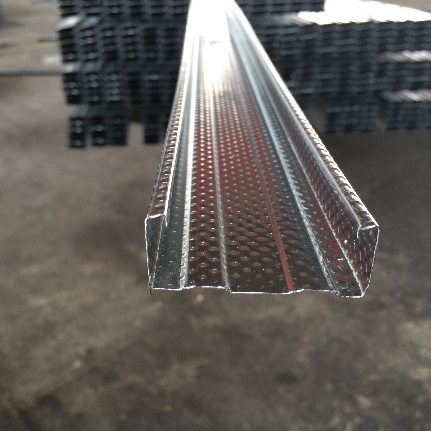
Hat channel steel, also widely known as hat-shaped steel channel or hat stud, is a specialized cold-formed light steel material featuring a unique hat cross-section structure. Different from conventional C-shaped and U-shaped steel profiles, hat channel steel adopts an innovative folded design,
Hat Channel Steel
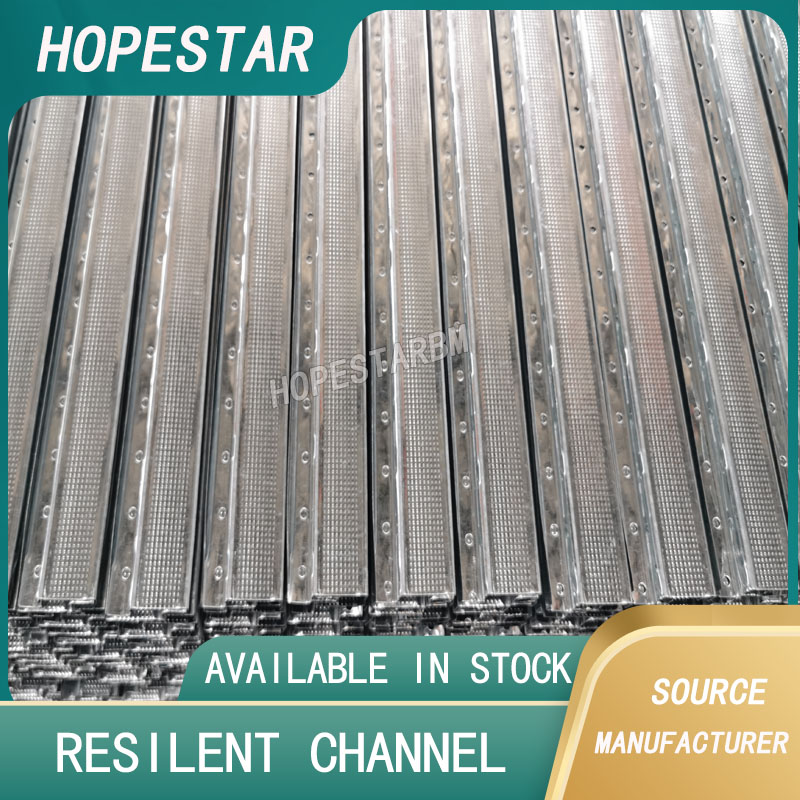
Galvanized C profile is one of the most versatile and widely used cold-formed steel components in modern construction and interior framing. Featuring a distinctive C-shaped cross-section and premium hot-dip or electro-galvanized finish, this lightweight yet high-strength steel profile
Galvanized C Profile
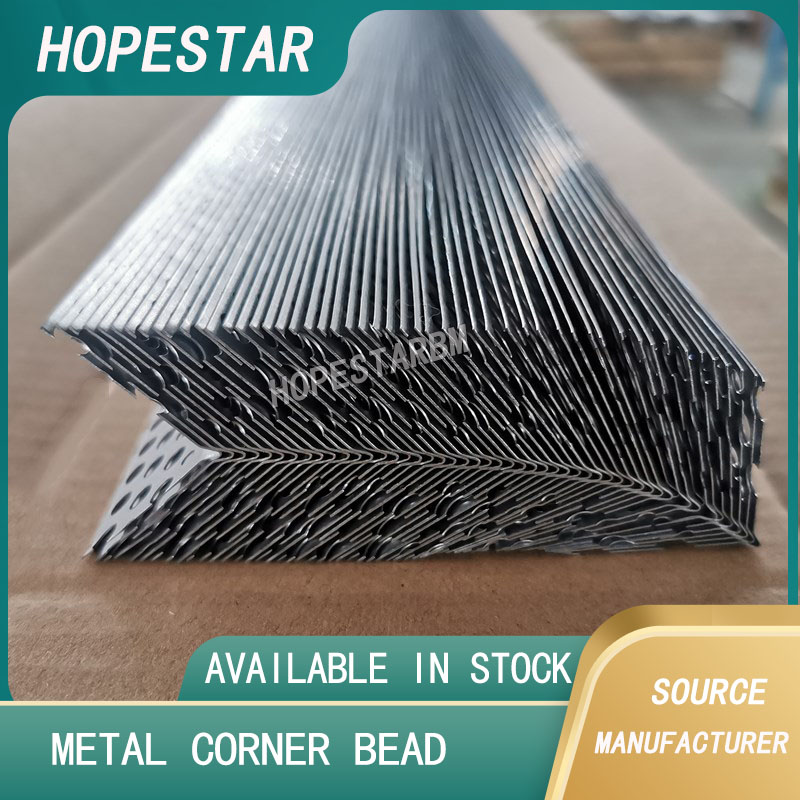
Drywall C furring channels are essential light-gauge steel framing components widely used in modern interior construction, ceiling framing, and drywall installation projects. As a core part of metal framing systems, C furring channels create a sturdy, level support base for drywall panels
Drywall C Furring Channel
Drywall metal stud framing has become the standard solution for modern residential, commercial, and industrial interior construction worldwide. Replacing traditional wood framing, metal stud drywall systems deliver superior stability, durability, and cost efficiency, making them the
Drywall Metal Stud