
Materials Steel
2026-08-10
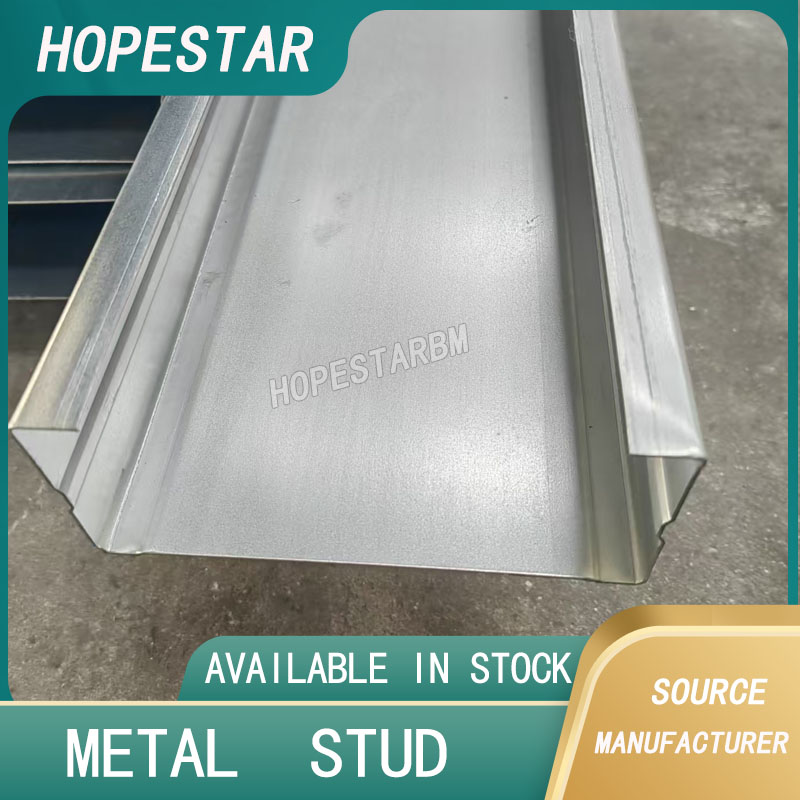
Among all industrial and engineering materials, steel stands out as the most indispensable and widely applied metal material in modern society. Defined as an alloy mainly composed of iron and carbon with a carbon content ranging from 0.02% to 2.14%, steel incorporates trace elements like manganese, silicon, phosphorus and sulfur, while additional alloying elements such as chromium, nickel and molybdenum can be added to customize its physical and chemical properties. Unique material characteristics make steel far superior to pure iron in strength, hardness and durability, laying a solid foundation for industrial development and technological progress.
Steel materials boast unparalleled comprehensive performance, including high tensile strength, excellent ductility, strong impact resistance and reliable structural stability. Unlike fragile and low-strength traditional materials, steel can be processed into various shapes such as plates, bars, tubes and wires, adapting to diverse manufacturing and construction scenarios. Meanwhile, steel features outstanding machinability and weldability, enabling flexible processing and assembly in industrial production, which greatly improves production efficiency and product diversity.
Classified by composition and performance, common steel materials fall into four major categories: carbon steel, alloy steel, stainless steel and tool steel. Carbon steel, with simple components and low cost, is widely used in basic infrastructure, mechanical parts and ordinary building structures. Alloy steel, enhanced by multiple metal elements, achieves higher strength and heat resistance, suitable for high-load equipment, aerospace components and automotive core parts. Stainless steel with chromium addition excels in corrosion and rust resistance, becoming the preferred material for kitchen utensils, medical devices and marine engineering facilities. Tool steel with high hardness and wear resistance is specially applied in cutting tools, molds and precision processing equipment.
As the "backbone of modern industry", steel materials penetrate every field of human production and life. In construction engineering, steel structures support skyscrapers, long-span bridges and industrial plants, ensuring building safety and stability. In the transportation industry, steel is the core material for automobiles, high-speed railways, ships and aircraft, reducing weight while improving structural firmness. In mechanical manufacturing, energy engineering and electronic industries, steel provides durable and high-precision material support for various equipment and devices.
In addition to superior performance, steel materials have prominent environmental and sustainable advantages. Steel can be infinitely recycled without loss of original physical and chemical properties, greatly reducing resource waste and carbon emissions compared with non-recyclable materials. With the continuous upgrading of steelmaking technology, modern steel production is developing towards low energy consumption, low pollution and high efficiency, making steel a green and eco-friendly material that adapts to the concept of sustainable development.
From the Industrial Revolution to modern intelligent manufacturing, steel materials have always been a core pillar of social progress. With the continuous innovation of material science and processing technology, steel materials are constantly optimized and upgraded in performance, function and application scope. It will continue to play an irreplaceable role in promoting industrial upgrading, infrastructure construction and high-quality economic development in the future.
Drywall Studs
Gypsum Board Steel
Related Article

Ceiling wall angle, also known as perimeter angle or L-angle, is an indispensable L-shaped metal profile for suspended drywall ceiling systems. Roll-formed from cold-rolled galvanized steel, ceiling wall angle is fixed along the wall perimeter to support the ends of main channels and furring channels,
Ceiling Wall Angle – Galvanized L-Shaped Perimeter Trim for Suspended Drywall Ceilings
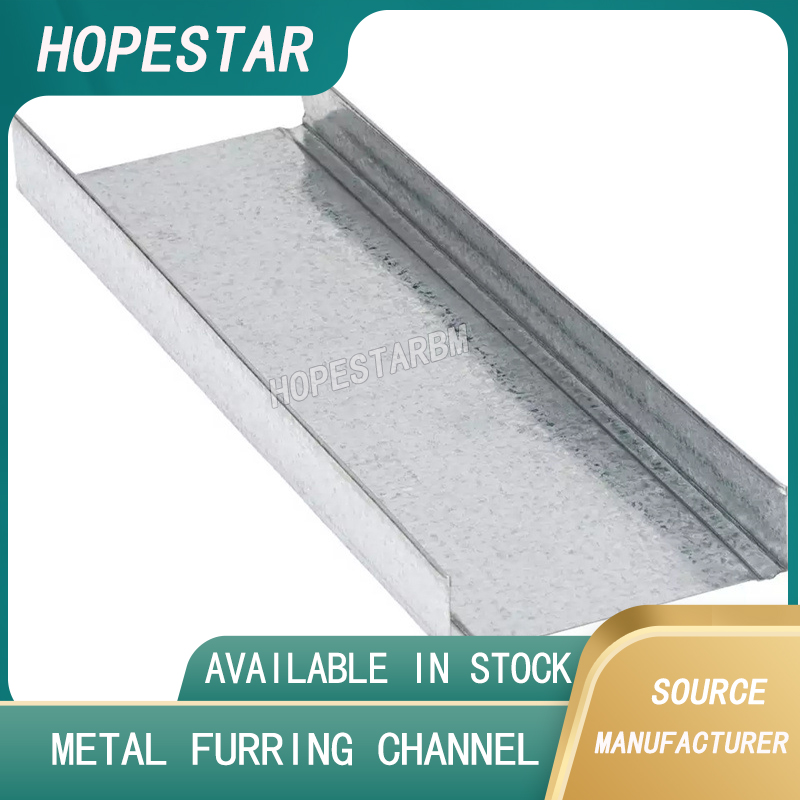
Galvanized steel profiles are the foundational metal framing components widely used in modern interior construction. Roll-formed from cold-rolled steel coated with protective zinc layer, galvanized steel profiles cover a full range of shapes including C studs, U tracks, omega channels,
Galvanized Steel Profiles – Reliable Cold Rolled Framing for Drywall Walls and Ceilings

Metal furring channel for ceiling is a vital secondary framing component widely used in suspended ceiling and drywall ceiling systems. Roll-formed from cold-rolled galvanized steel, this lightweight metal profile works together with main channels, hangers and wall angles to create a level,
Metal Furring Channel for Ceiling – Galvanized Secondary Framing for Suspended Drywall Ceilings

Metal omega channel, also widely called omega furring channel or hat channel, is an indispensable secondary metal framing profile for modern suspended ceilings and drywall wall furring systems. Named after its distinctive Ω shape, this profile is roll-formed from cold-rolled galvanized steel
Metal Omega Channel – Galvanized Omega Furring Channel for Drywall Ceiling and Wall Framing