
materials for ceiling using metal furring
2024-06-18
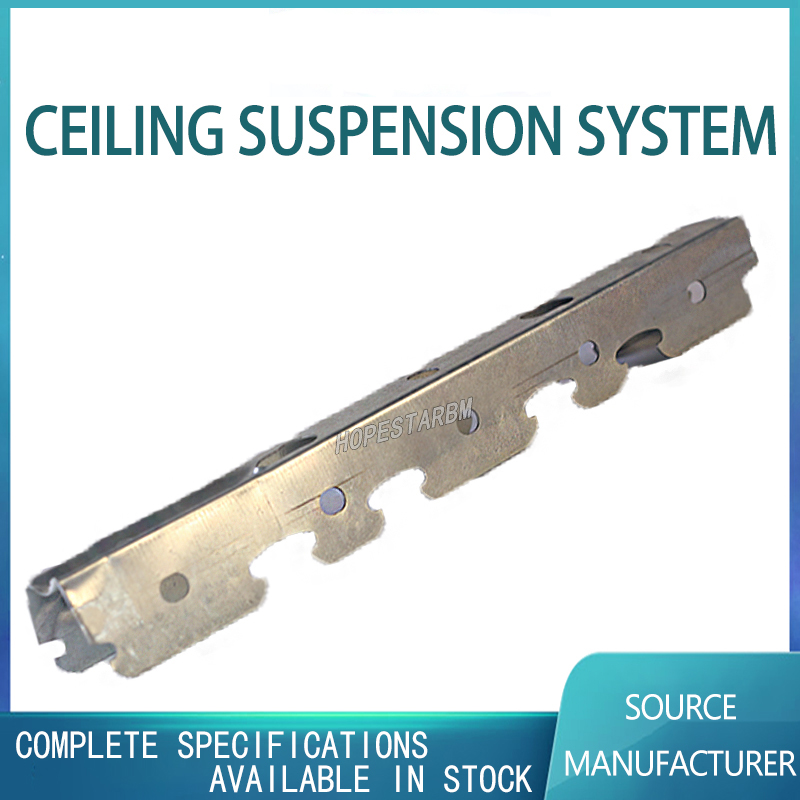
In modern architectural design, the selection of ceiling materials is crucial. It not only affects the indoor aesthetics, but also directly relates to the acoustic performance, thermal insulation effect, and safety of the building. In recent years, metal keel ceiling materials have been highly favored in the construction industry due to their unique advantages. This article will delve into the characteristics, applications, and important roles of metal keel ceiling materials in architectural design.
Metal keel ceiling materials have become a leader in the field of ceiling materials due to their excellent stability and strength characteristics. The metal keel suspended ceiling is mainly composed of metal keel and suspended ceiling panels. The metal keel serves as a supporting structure, which can effectively bear the weight of the suspended ceiling panels and ensure the flatness and stability of the ceiling. At the same time, the metal keel ceiling material also has good fire and moisture resistance, and can maintain stable performance in harsh environments such as humidity and high temperature.
In terms of acoustic performance, the metal keel ceiling material also performs excellently. Due to the gap between the metal keel and the ceiling panel, an air layer can be formed, effectively absorbing and isolating sound. Therefore, the metal keel ceiling material has significant advantages in reducing noise and improving indoor acoustic quality. In addition, the metal keel ceiling material also has a good sound insulation effect, which can effectively reduce sound interference between upstairs and downstairs, and improve the comfort of living and working environments.
In terms of thermal insulation, metal keel ceiling materials also play an important role. The material and thickness of ceiling panels can be selected according to needs to meet different insulation requirements. At the same time, the installation of metal keel ceiling materials can also be combined with insulation materials to form a more effective insulation layer and improve the energy efficiency level of the building.
Metal keel ceiling materials are widely used in architectural design, and their presence can be seen in commercial spaces, office spaces, and residential buildings. In commercial spaces, metal keel ceiling materials can be combined with different panels and keels to create diverse decorative effects and create a unique commercial atmosphere. In office spaces, metal keel ceiling materials place greater emphasis on practicality and comfort, providing employees with a quiet and comfortable working environment through reasonable acoustic design and insulation treatment. In residential buildings, metal keel ceiling materials can be integrated with home decoration styles to enhance the quality of living space.
In addition to the advantages mentioned above, metal keel ceiling materials also have the characteristics of easy installation and maintenance. Due to its modular design, ceiling panels and keels can be easily disassembled and replaced, greatly reducing maintenance costs. At the same time, the cleaning of the metal keel ceiling material is also very convenient, just wipe it with a damp cloth to maintain its clean and tidy appearance.
However, metal keel ceiling materials also have certain limitations. Firstly, the price of metal materials is relatively high, which may lead to higher costs. Secondly, metal keel ceiling materials require certain professional skills and experience during the installation process to ensure their installation quality and stability. In addition, for certain special environments or specific needs, metal keel ceiling materials may not fully meet the requirements and need to be used in combination with other materials.
Overall, metal keel ceiling materials have broad application prospects in the construction industry due to their excellent stability, strength, acoustic performance, and thermal insulation effect. In the future, with the continuous advancement of technology and the increasing demand for indoor environmental quality, metal keel ceiling materials will be more widely used and developed. At the same time, we also need to continuously research and explore new ceiling materials and technologies to meet the needs of different buildings and environments, and promote the sustainable development of the construction industry.
Metal keel ceiling materials have become a leader in the field of ceiling materials due to their excellent stability and strength characteristics. The metal keel suspended ceiling is mainly composed of metal keel and suspended ceiling panels. The metal keel serves as a supporting structure, which can effectively bear the weight of the suspended ceiling panels and ensure the flatness and stability of the ceiling. At the same time, the metal keel ceiling material also has good fire and moisture resistance, and can maintain stable performance in harsh environments such as humidity and high temperature.
In terms of acoustic performance, the metal keel ceiling material also performs excellently. Due to the gap between the metal keel and the ceiling panel, an air layer can be formed, effectively absorbing and isolating sound. Therefore, the metal keel ceiling material has significant advantages in reducing noise and improving indoor acoustic quality. In addition, the metal keel ceiling material also has a good sound insulation effect, which can effectively reduce sound interference between upstairs and downstairs, and improve the comfort of living and working environments.
In terms of thermal insulation, metal keel ceiling materials also play an important role. The material and thickness of ceiling panels can be selected according to needs to meet different insulation requirements. At the same time, the installation of metal keel ceiling materials can also be combined with insulation materials to form a more effective insulation layer and improve the energy efficiency level of the building.
Metal keel ceiling materials are widely used in architectural design, and their presence can be seen in commercial spaces, office spaces, and residential buildings. In commercial spaces, metal keel ceiling materials can be combined with different panels and keels to create diverse decorative effects and create a unique commercial atmosphere. In office spaces, metal keel ceiling materials place greater emphasis on practicality and comfort, providing employees with a quiet and comfortable working environment through reasonable acoustic design and insulation treatment. In residential buildings, metal keel ceiling materials can be integrated with home decoration styles to enhance the quality of living space.
In addition to the advantages mentioned above, metal keel ceiling materials also have the characteristics of easy installation and maintenance. Due to its modular design, ceiling panels and keels can be easily disassembled and replaced, greatly reducing maintenance costs. At the same time, the cleaning of the metal keel ceiling material is also very convenient, just wipe it with a damp cloth to maintain its clean and tidy appearance.
However, metal keel ceiling materials also have certain limitations. Firstly, the price of metal materials is relatively high, which may lead to higher costs. Secondly, metal keel ceiling materials require certain professional skills and experience during the installation process to ensure their installation quality and stability. In addition, for certain special environments or specific needs, metal keel ceiling materials may not fully meet the requirements and need to be used in combination with other materials.
Overall, metal keel ceiling materials have broad application prospects in the construction industry due to their excellent stability, strength, acoustic performance, and thermal insulation effect. In the future, with the continuous advancement of technology and the increasing demand for indoor environmental quality, metal keel ceiling materials will be more widely used and developed. At the same time, we also need to continuously research and explore new ceiling materials and technologies to meet the needs of different buildings and environments, and promote the sustainable development of the construction industry.
metal furring 1x2 price
distance of metal furring for ceiling
Related Article

Ceiling wall angle, also known as perimeter angle or L-angle, is an indispensable L-shaped metal profile for suspended drywall ceiling systems. Roll-formed from cold-rolled galvanized steel, ceiling wall angle is fixed along the wall perimeter to support the ends of main channels and furring channels,
Ceiling Wall Angle – Galvanized L-Shaped Perimeter Trim for Suspended Drywall Ceilings
Galvanized steel profiles are the foundational metal framing components widely used in modern interior construction. Roll-formed from cold-rolled steel coated with protective zinc layer, galvanized steel profiles cover a full range of shapes including C studs, U tracks, omega channels,
Galvanized Steel Profiles – Reliable Cold Rolled Framing for Drywall Walls and Ceilings

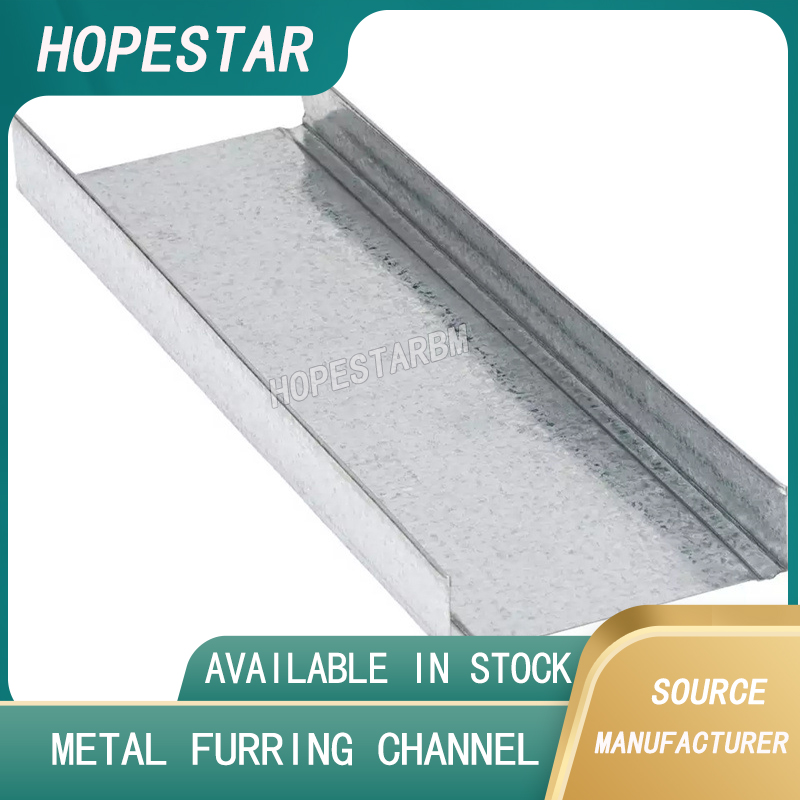
Metal furring channel for ceiling is a vital secondary framing component widely used in suspended ceiling and drywall ceiling systems. Roll-formed from cold-rolled galvanized steel, this lightweight metal profile works together with main channels, hangers and wall angles to create a level,
Metal Furring Channel for Ceiling – Galvanized Secondary Framing for Suspended Drywall Ceilings

Metal omega channel, also widely called omega furring channel or hat channel, is an indispensable secondary metal framing profile for modern suspended ceilings and drywall wall furring systems. Named after its distinctive Ω shape, this profile is roll-formed from cold-rolled galvanized steel
Metal Omega Channel – Galvanized Omega Furring Channel for Drywall Ceiling and Wall Framing