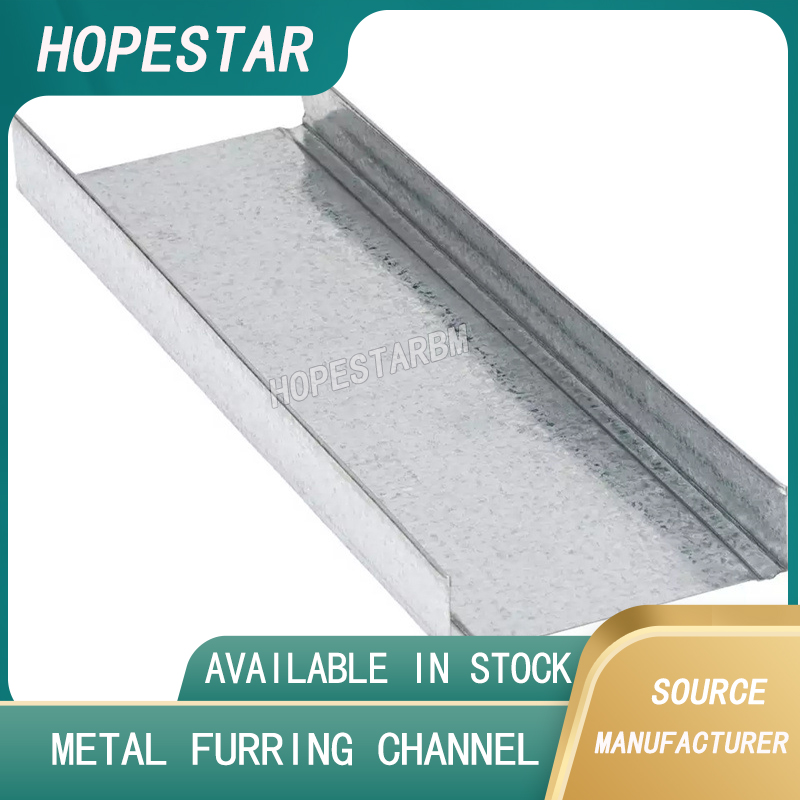
Lightweight Aluminum Furring Channel
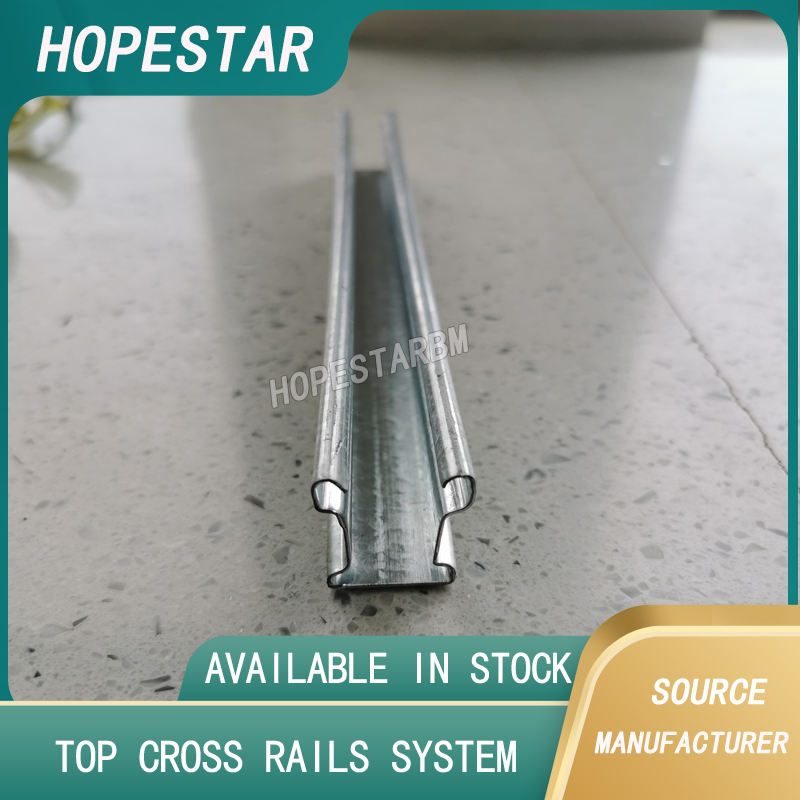
In the world of construction and interior finishing, framing systems play a crucial role in ensuring durability, stability, and a smooth surface for walls and ceilings. Among the many options available, the lightweight aluminum furring channel has become increasingly popular due to its unique combination of strength, corrosion resistance, and ease of installation. This article explores why aluminum furring channels are the preferred choice for many builders and contractors, focusing on their advantages, applications, and installation tips.
What Is a Lightweight Aluminum Furring Channel?
A furring channel is a narrow strip of metal used in building construction to create a framework for attaching finishing materials such as drywall, plasterboard, or paneling. Unlike traditional steel channels, lightweight aluminum furring channels are made from aluminum, which offers a significant reduction in weight without sacrificing structural integrity.
The term "lightweight" highlights the advantage of aluminum's lower density compared to steel, making it easier to handle and install while maintaining sufficient strength for most framing needs.
Key Benefits of Aluminum Furring Channels
1. Corrosion Resistance
One of the primary benefits of aluminum is its natural resistance to corrosion. Unlike steel, which requires galvanization or additional coatings to prevent rust, aluminum forms a protective oxide layer that shields it from moisture and oxidation. This makes aluminum furring channels ideal for use in humid environments, coastal areas, or places prone to dampness such as basements and bathrooms.
2. Lightweight and Easy to Handle
Aluminum is significantly lighter than steel, which reduces the physical strain on installers and speeds up the framing process. This is especially advantageous for large projects or tight schedules, as crews can work more efficiently without compromising safety or quality.
3. Non-Magnetic and Non-Conductive
Aluminum is non-magnetic and has low electrical conductivity, which is beneficial in sensitive environments where electromagnetic interference or electrical grounding could be a concern. This makes aluminum furring channels suitable for hospitals, laboratories, or electronic equipment rooms.
4. Durability and Strength
Despite being lightweight, aluminum provides excellent strength and flexibility. It can withstand typical structural loads and offers good resistance to impact and deformation, ensuring long-lasting performance in wall and ceiling applications.
5. Eco-Friendly and Recyclable
Aluminum is highly recyclable without loss of quality, making it an environmentally responsible choice. Many construction projects now prioritize sustainable materials, and aluminum furring channels fit well into green building practices.
Common Applications of Lightweight Aluminum Furring Channels
-
Ceiling Framing: Aluminum channels provide a reliable framework for drywall or ceiling tiles, especially in commercial or institutional buildings.
-
Wall Systems: Ideal for both new construction and renovation, aluminum furring channels help create smooth, level walls while supporting insulation or soundproofing materials.
-
Exterior Cladding Support: Aluminum’s corrosion resistance makes it suitable for exterior applications where it supports siding, panels, or other cladding materials.
-
Moisture-Prone Areas: Bathrooms, basements, and kitchens benefit from aluminum’s resistance to rust and mold.
-
Specialty Installations: Facilities with electromagnetic sensitivity, such as hospitals and labs, prefer aluminum to minimize interference.
Installation Tips for Aluminum Furring Channels
Installing aluminum furring channels is similar to steel channels but with some important considerations:
-
Use Proper Fasteners: Aluminum requires fasteners compatible with its properties to prevent galvanic corrosion. Stainless steel or aluminum screws are recommended.
-
Avoid Direct Contact with Dissimilar Metals: To minimize corrosion risks, use isolation materials or coatings when aluminum channels contact steel or copper components.
-
Spacing and Alignment: Follow manufacturer guidelines for spacing, typically 16 or 24 inches on center, to ensure proper support for drywall or ceiling panels.
-
Cutting and Handling: Aluminum is easier to cut than steel, but care must be taken to avoid bending or warping. Use fine-toothed saw blades or metal shears.
-
Safety Measures: Wear gloves and eye protection during cutting and installation to prevent injury from sharp edges.
Why Choose Aluminum Over Steel?
While steel furring channels have been the industry standard for decades, aluminum’s advantages are driving a shift in preferences:
-
Reduced Weight: Less fatigue and faster installation.
-
Superior Corrosion Resistance: Lower maintenance costs and longer lifespan.
-
Environmentally Friendly: Recyclability and sustainability.
-
Improved Performance in Specialized Environments: Non-magnetic and low conductivity.
Although aluminum may have a higher upfront cost compared to steel, the savings in labor, durability, and maintenance often justify the investment.
Finding Quality Aluminum Furring Channels
When selecting aluminum furring channels, consider:
-
Material Certification: Ensure compliance with industry standards such as ASTM or ISO.
-
Precision Manufacturing: Consistent dimensions and clean edges simplify installation.
-
Surface Treatment: Anodized or coated finishes improve durability and aesthetics.
-
Supplier Reputation: Reliable manufacturers and distributors offer warranties and technical support.
L shaped galvanized bead for ceiling wall transition
25 Gauge Furring Channel for Ceiling
Related Article