
Light Steel Keel Runner for Drywall standard size
2024-06-14
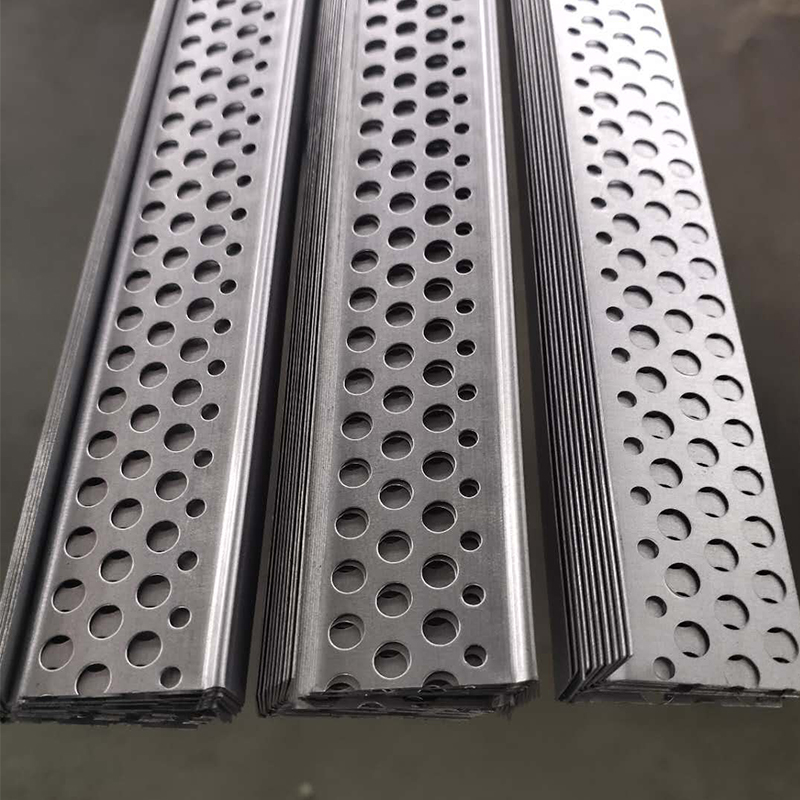
Light Steel Keel Runner for Drywall Standard Size: A Comprehensive Guide
The Light Steel Keel Runner for Drywall Standard Size is an integral component in the construction industry, providing a robust and reliable framework for the installation of drywall systems. This article delves into the intricacies of this vital structural element, discussing its features, applications, installation process, and the advantages it offers in modern construction projects.
Firstly, let's understand the basic concept of a Light Steel Keel Runner. It is a lightweight steel framing member designed to support drywall panels. These runners are typically manufactured from galvanized steel, ensuring durability and corrosion resistance. The standard size of these keels varies depending on the specific requirements of the project and the manufacturer, but generally, they come in lengths that range from several feet to tens of feet, with varying depths and thicknesses to suit different loading conditions.
The use of Light Steel Keel Runners in drywall construction offers several advantages. Firstly, their lightweight nature makes them easier to handle and install, reducing labor costs and increasing construction efficiency. Secondly, steel is a strong and stable material, capable of supporting heavy loads with minimal deflection. This ensures that the drywall system remains straight and level, enhancing the overall aesthetics of the finished interior space.
Moreover, the galvanized finish of these keels provides excellent resistance to corrosion and rust, ensuring a longer lifespan for the drywall system. This durability is particularly important in high-humidity environments or areas exposed to frequent moisture, such as bathrooms and kitchens.
When it comes to installation, the Light Steel Keel Runner is designed for ease of use. It can be quickly and securely attached to the wall framing using nails or screws, ensuring a solid connection. The keels can also be cut to length on-site using standard metal cutting tools, allowing for flexibility in adapting to different wall dimensions and layouts.
The installation process typically begins with marking the locations for the keels on the wall framing. The runners are then placed at these marked positions and secured firmly in place. Additional support can be provided by installing vertical braces or cross-members at strategic points to enhance the overall stability of the drywall system.
Once installed, the Light Steel Keel Runner provides a robust framework for the attachment of drywall panels. These panels are typically made from gypsum board or similar materials and are secured to the keels using adhesives or fasteners. The even spacing and rigidity of the keels ensure that the panels are evenly distributed and securely held in place, creating a smooth and level surface for finishing work such as painting or tiling.
In addition to its structural benefits, the Light Steel Keel Runner also contributes to the overall sustainability of construction projects. Steel is a recyclable material, meaning that used keels can be collected and processed for reuse in future projects, reducing waste and environmental impact.
In conclusion, the Light Steel Keel Runner for Drywall Standard Size is a crucial component in modern construction projects. Its lightweight design, durability, and ease of installation make it an ideal choice for supporting drywall systems. By understanding its features and applications, construction professionals can ensure the successful implementation of this vital structural element in their projects, delivering high-quality and long-lasting interiors.
Introduction to the Use and Advantages of Galvanized Light Steel Keel Ceiling
What is a Lightweight Steel Frame?
Related Article

Ceiling wall angle, also known as perimeter angle or L-angle, is an indispensable L-shaped metal profile for suspended drywall ceiling systems. Roll-formed from cold-rolled galvanized steel, ceiling wall angle is fixed along the wall perimeter to support the ends of main channels and furring channels,
Ceiling Wall Angle – Galvanized L-Shaped Perimeter Trim for Suspended Drywall Ceilings
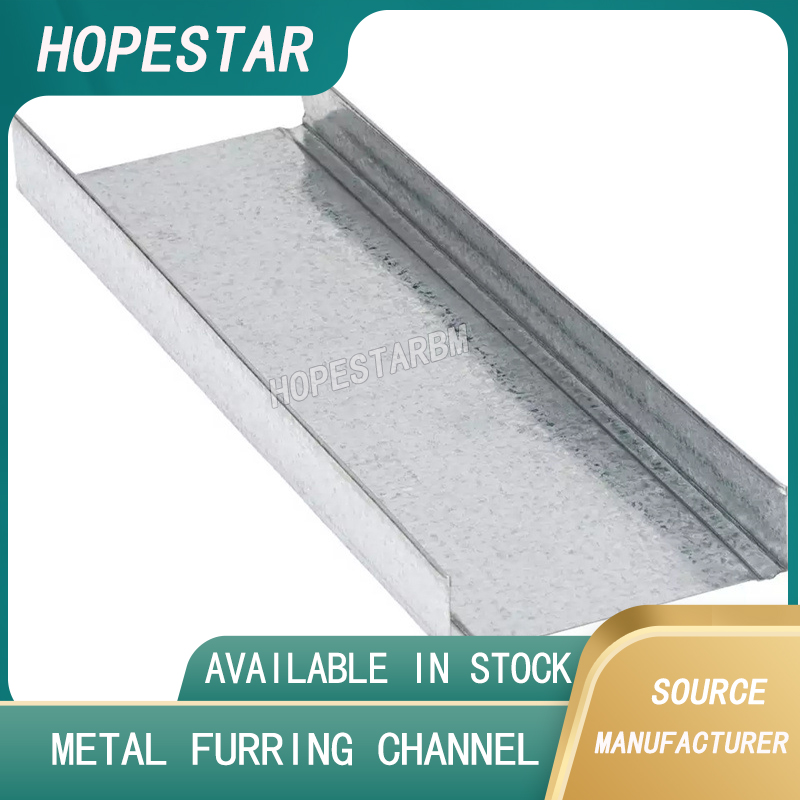
Galvanized steel profiles are the foundational metal framing components widely used in modern interior construction. Roll-formed from cold-rolled steel coated with protective zinc layer, galvanized steel profiles cover a full range of shapes including C studs, U tracks, omega channels,
Galvanized Steel Profiles – Reliable Cold Rolled Framing for Drywall Walls and Ceilings

Metal furring channel for ceiling is a vital secondary framing component widely used in suspended ceiling and drywall ceiling systems. Roll-formed from cold-rolled galvanized steel, this lightweight metal profile works together with main channels, hangers and wall angles to create a level,
Metal Furring Channel for Ceiling – Galvanized Secondary Framing for Suspended Drywall Ceilings

Metal omega channel, also widely called omega furring channel or hat channel, is an indispensable secondary metal framing profile for modern suspended ceilings and drywall wall furring systems. Named after its distinctive Ω shape, this profile is roll-formed from cold-rolled galvanized steel
Metal Omega Channel – Galvanized Omega Furring Channel for Drywall Ceiling and Wall Framing