
Light Steel Keel Profile and Furring Channel
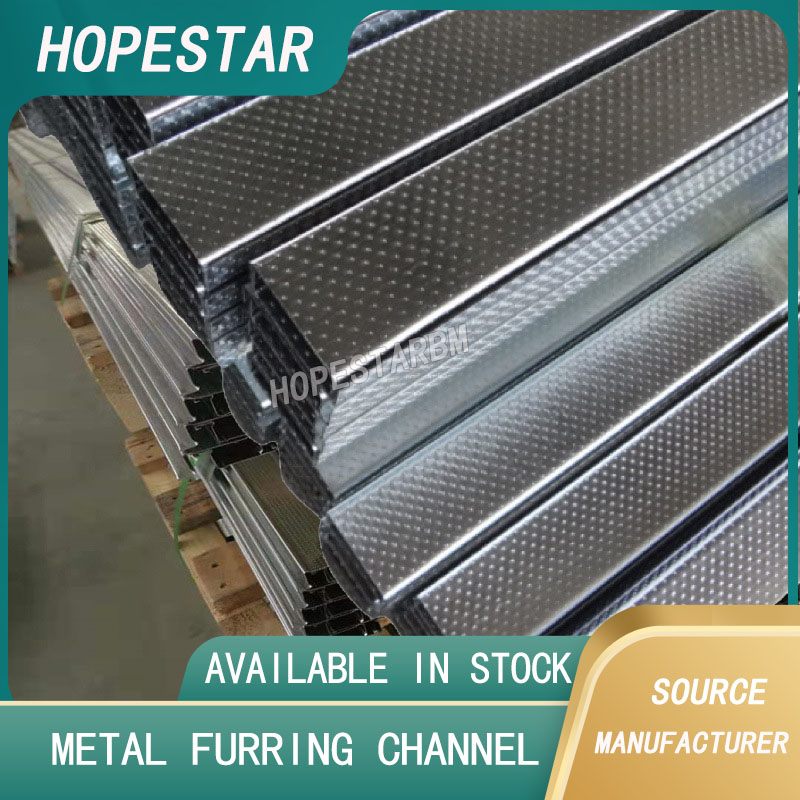
In the construction of modern residential, commercial, and industrial buildings, the demand for durable, lightweight, and cost-effective structural framing materials continues to rise. One of the most reliable solutions is the light steel keel profile system. Widely used in ceiling grid systems, gypsum board installations, and drywall partitions, this type of metal framing provides superior structural support, fire resistance, and long-term stability.
What is a Light Steel Keel Profile?
A light steel keel profile refers to cold-formed galvanized steel sections used as a framing skeleton for interior partitions and ceilings. These profiles include components such as main channels, furring channels, steel studs, and tracks. They are essential in forming the backbone of suspended ceilings and gypsum drywall systems.
The profiles are manufactured from high-quality galvanized steel, which offers excellent resistance to rust, corrosion, and warping. Thanks to their precision dimensions, these profiles allow for fast, efficient, and clean installation on-site.
Key Components of a Ceiling and Wall System
1. Furring Channel
The furring channel is a horizontal steel profile used to support gypsum boards and panels in both wall and ceiling applications. It is typically attached perpendicular to the main channel or directly to the wall. Furring channels help to create a flat, stable surface for finishing materials and are also useful in concealing wiring and pipes.
2. Main Channel (Carrying Channel)
The main channel, also known as the carrying channel, bears the primary load of the ceiling grid. These channels are suspended from the structural ceiling and support the furring channels below. High-tensile strength and dimensional accuracy are essential for main channels, as they provide the central support for ceiling systems.
3. Ceiling Grid System
The ceiling grid system is made up of a combination of main and cross channels, forming a rigid framework that holds ceiling tiles or gypsum board in place. The modular design of the grid allows for quick installation and easy access for maintenance work such as lighting or HVAC systems.
4. Steel Studs and Tracks
In drywall construction, steel studs and tracks form the vertical and horizontal framing elements. Tracks are fixed to the floor and ceiling, while studs are placed vertically at regular intervals. This steel framework is then covered with gypsum board, providing a smooth, clean, and ready-to-paint wall surface.
Advantages of Using Light Steel Keel Profiles
-
Lightweight but Strong: Despite being lightweight, these steel profiles offer excellent load-bearing capacity, reducing the structural stress on the building.
-
Corrosion Resistant: Pre-galvanized coatings protect the metal from moisture, ensuring long-term durability even in humid environments.
-
Fire Resistant: Unlike wood, steel does not combust, making it a safer option in areas with strict fire safety requirements.
-
Dimensionally Stable: Steel does not warp, shrink, or expand with changes in temperature or humidity.
-
Fast Installation: Standardized sizes and pre-punched holes enable quick installation and reduce on-site labor costs.
Applications in Construction
-
Residential Homes: Light steel profiles are extensively used in light steel villa frames, where they support internal walls, ceilings, and roofs.
-
Commercial Buildings: Offices, retail stores, and hotels rely on steel keel systems for flexible space partitioning and aesthetic ceiling finishes.
-
Schools and Hospitals: Safety, hygiene, and sound insulation are top priorities, all of which are well-served by steel-framed gypsum systems.
Choosing the Right Steel Profile
When selecting a light steel keel profile, several factors should be considered:
-
Thickness and Gauge: Depending on the application, the required thickness will vary. Thicker profiles are used in load-bearing applications, while lighter profiles suffice for non-load-bearing partitions.
-
Coating Type: Pre-galvanized or hot-dipped galvanized coatings affect corrosion resistance.
-
Dimensions: Standard C, U, and Z profiles come in various widths and heights for different framing needs.
-
Local Building Standards: Ensure the profiles meet local codes and certifications, especially in seismic or fire-prone areas.
Galvanized Metal Corner Bead for Drywall Ceiling
Which Type of Light Steel Frame Is Commonly Used for Interior Fit-Outs in Australia?
Related Article



