
Light steel frame
2024-05-31
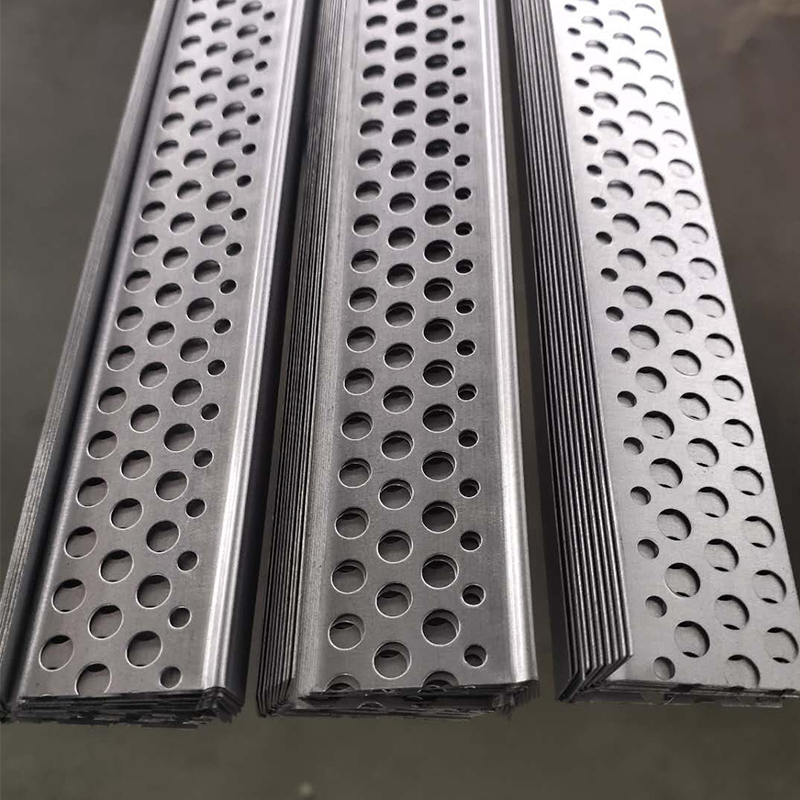
In the field of modern architecture, Light Steel Frame is gradually becoming an important element in architectural design due to its unique advantages. Light steel frames are widely used in various building structures such as residential, commercial, and industrial buildings due to their lightweight, high strength, corrosion resistance, ease of processing, and environmental friendliness. This article will explore in detail the construction characteristics, application advantages, and future development trends of light steel frames.
Firstly, let's understand the basic structure of light steel frames. The light steel frame is mainly composed of cold-formed thin-walled steel components, which form a stable structural system through welding, bolt connections, and other methods. Its component section is small and its self weight is light, which can effectively reduce the overall weight of the building and lower the bearing pressure of the foundation. Meanwhile, light steel frames have good seismic performance and can effectively cope with the damage caused by natural disasters such as earthquakes.
In terms of application advantages, light steel frames perform excellently. Firstly, the construction speed of light steel frames is fast, the degree of factory prefabrication is high, and on-site installation is convenient and fast, which can greatly shorten the construction period. Secondly, the components of the light steel frame have precise dimensions, reliable installation quality, and can ensure the stability and safety of the building. In addition, light steel frames also have excellent insulation, heat insulation, and sound insulation performance, which can improve the living comfort of buildings. Finally, the light steel frame also has the characteristics of environmental protection and energy conservation, which is in line with the development concept of modern green and low-carbon architecture.
With the advancement of technology and the improvement of environmental awareness, the application prospects of light steel frames in architectural design are becoming increasingly broad. In the future, light steel frames will be further developed and improved in the following areas:
One is the improvement of material properties. With the development and application of new high-strength and corrosion-resistant steel, the bearing capacity and durability of light steel frames will be further improved. At the same time, the emergence of new connection technologies will also enhance the overall stability and safety of light steel frames.
The second is the update of design concepts. With the continuous innovation of architectural design and construction technology, light steel frames will be more combined with concepts such as green buildings and intelligent buildings to achieve diversified and intelligent building functions.
The third is the development of modular architecture. The standardization of components in light steel frames is high, making it easy to achieve modular design and construction. In the future, light steel frames will be more widely used in modular buildings, achieving industrialization, standardization, and efficiency in construction.
The fourth is the application of energy-saving and environmental protection technologies. As people's attention to environmental protection and energy conservation continues to increase, light steel frames will increasingly adopt energy-saving and environmental protection technologies, such as the utilization of renewable energy such as solar and wind energy, as well as the selection of energy-saving building materials and equipment, to create a greener and low-carbon living environment for buildings.
In short, as an advanced form of building structure, light steel frames are leading the trend of modern architecture development with their unique advantages and broad application prospects. With the continuous progress of technology and the improvement of environmental awareness, light steel frames will play a more important role in future architectural design, bringing more convenience and comfort to our lives. At the same time, we also look forward to more innovations and breakthroughs emerging in the field of light steel frames, promoting the continuous development of modern architecture.
Firstly, let's understand the basic structure of light steel frames. The light steel frame is mainly composed of cold-formed thin-walled steel components, which form a stable structural system through welding, bolt connections, and other methods. Its component section is small and its self weight is light, which can effectively reduce the overall weight of the building and lower the bearing pressure of the foundation. Meanwhile, light steel frames have good seismic performance and can effectively cope with the damage caused by natural disasters such as earthquakes.
In terms of application advantages, light steel frames perform excellently. Firstly, the construction speed of light steel frames is fast, the degree of factory prefabrication is high, and on-site installation is convenient and fast, which can greatly shorten the construction period. Secondly, the components of the light steel frame have precise dimensions, reliable installation quality, and can ensure the stability and safety of the building. In addition, light steel frames also have excellent insulation, heat insulation, and sound insulation performance, which can improve the living comfort of buildings. Finally, the light steel frame also has the characteristics of environmental protection and energy conservation, which is in line with the development concept of modern green and low-carbon architecture.
With the advancement of technology and the improvement of environmental awareness, the application prospects of light steel frames in architectural design are becoming increasingly broad. In the future, light steel frames will be further developed and improved in the following areas:
One is the improvement of material properties. With the development and application of new high-strength and corrosion-resistant steel, the bearing capacity and durability of light steel frames will be further improved. At the same time, the emergence of new connection technologies will also enhance the overall stability and safety of light steel frames.
The second is the update of design concepts. With the continuous innovation of architectural design and construction technology, light steel frames will be more combined with concepts such as green buildings and intelligent buildings to achieve diversified and intelligent building functions.
The third is the development of modular architecture. The standardization of components in light steel frames is high, making it easy to achieve modular design and construction. In the future, light steel frames will be more widely used in modular buildings, achieving industrialization, standardization, and efficiency in construction.
The fourth is the application of energy-saving and environmental protection technologies. As people's attention to environmental protection and energy conservation continues to increase, light steel frames will increasingly adopt energy-saving and environmental protection technologies, such as the utilization of renewable energy such as solar and wind energy, as well as the selection of energy-saving building materials and equipment, to create a greener and low-carbon living environment for buildings.
In short, as an advanced form of building structure, light steel frames are leading the trend of modern architecture development with their unique advantages and broad application prospects. With the continuous progress of technology and the improvement of environmental awareness, light steel frames will play a more important role in future architectural design, bringing more convenience and comfort to our lives. At the same time, we also look forward to more innovations and breakthroughs emerging in the field of light steel frames, promoting the continuous development of modern architecture.
reslient channel
Metal tracks and steel track: the cornerstone of building modern railway transportation
Related Article

Ceiling wall angle, also known as perimeter angle or L-angle, is an indispensable L-shaped metal profile for suspended drywall ceiling systems. Roll-formed from cold-rolled galvanized steel, ceiling wall angle is fixed along the wall perimeter to support the ends of main channels and furring channels,
Ceiling Wall Angle – Galvanized L-Shaped Perimeter Trim for Suspended Drywall Ceilings
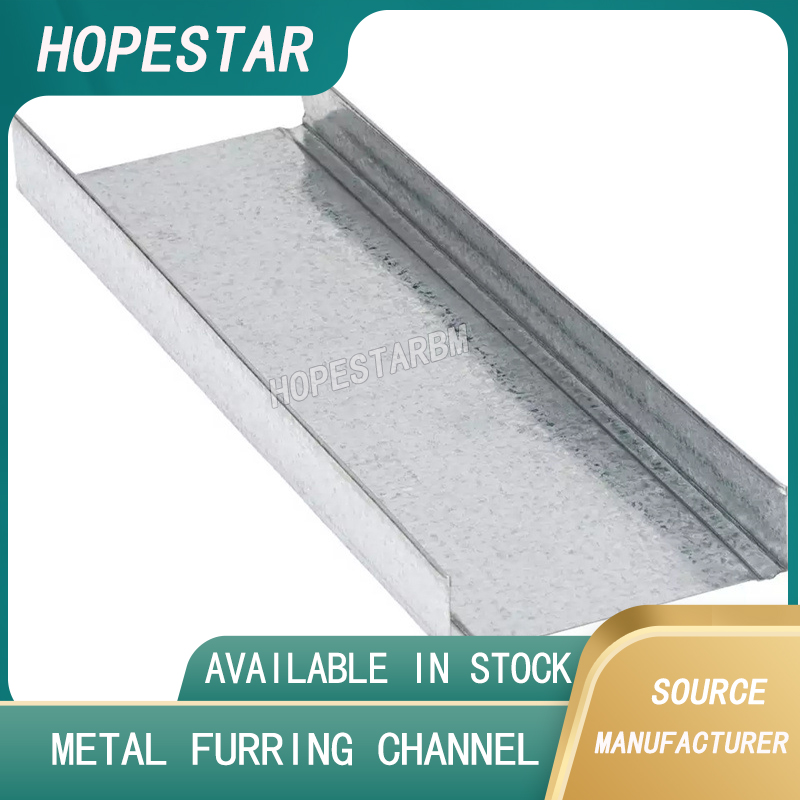
Galvanized steel profiles are the foundational metal framing components widely used in modern interior construction. Roll-formed from cold-rolled steel coated with protective zinc layer, galvanized steel profiles cover a full range of shapes including C studs, U tracks, omega channels,
Galvanized Steel Profiles – Reliable Cold Rolled Framing for Drywall Walls and Ceilings

Metal furring channel for ceiling is a vital secondary framing component widely used in suspended ceiling and drywall ceiling systems. Roll-formed from cold-rolled galvanized steel, this lightweight metal profile works together with main channels, hangers and wall angles to create a level,
Metal Furring Channel for Ceiling – Galvanized Secondary Framing for Suspended Drywall Ceilings

Metal omega channel, also widely called omega furring channel or hat channel, is an indispensable secondary metal framing profile for modern suspended ceilings and drywall wall furring systems. Named after its distinctive Ω shape, this profile is roll-formed from cold-rolled galvanized steel
Metal Omega Channel – Galvanized Omega Furring Channel for Drywall Ceiling and Wall Framing