
Light Gauge Steel Metal Studs and Track
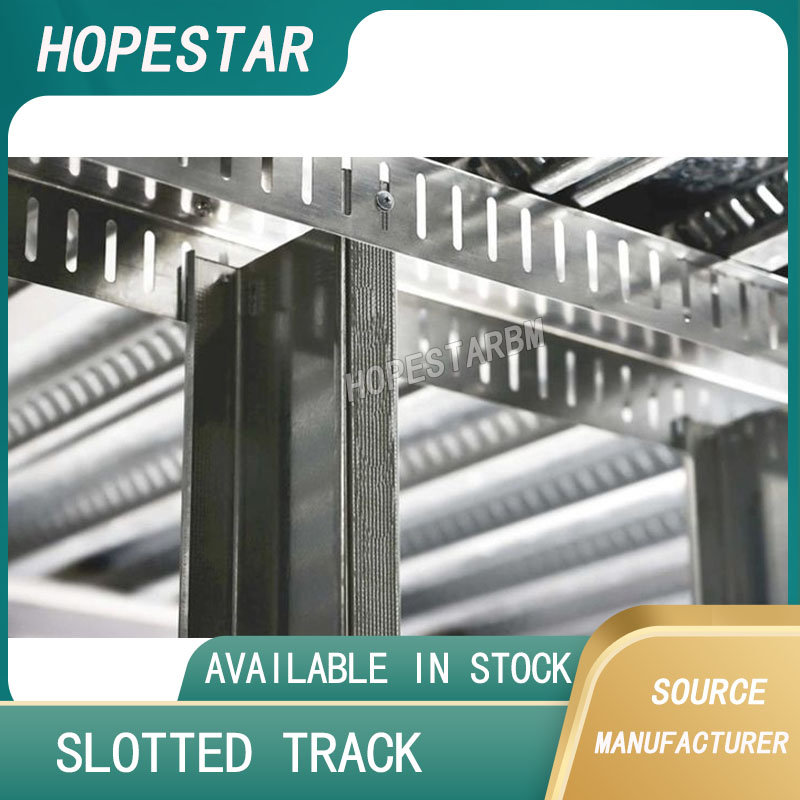
Light gauge steel metal studs and track have become a cornerstone in contemporary construction. Used primarily for non-load-bearing partition walls and ceiling systems, these steel framing components offer numerous advantages over traditional wood. Their lightweight nature, fire resistance, and precise manufacturing make them ideal for a wide range of residential, commercial, and industrial projects.
What Are Light Gauge Steel Studs and Track?
Light gauge steel studs are cold-formed steel components shaped into standard profiles like “C” (studs) and “U” (track). These members are designed to support drywall and form the internal framework of walls and ceilings. Made from galvanized steel, they are resistant to corrosion, pests, moisture, and warping.
The track, or runner, acts as the top and bottom channel in which the studs are inserted and fastened. Together, the studs and track form a complete framing system for drywall partitions and furring applications.
Key Benefits of Using Light Gauge Steel Framing
-
Precision and Uniformity
Manufactured under strict tolerances, steel studs and tracks are always straight and consistent. This ensures smoother walls, accurate alignment, and fewer finishing issues. -
Fire Resistance
Being non-combustible, light gauge steel framing contributes to fire-rated wall assemblies and helps meet local fire code requirements. -
Lightweight Yet Strong
Despite being lighter than wood, steel offers excellent tensile strength. It can support drywall and insulation while reducing the structural load on floors and ceilings. -
Durability
Galvanized coatings protect against rust and corrosion, making light gauge studs and tracks suitable for humid or high-moisture environments like bathrooms, basements, and coastal buildings. -
Sustainability
Steel is 100% recyclable. Using light gauge steel contributes to green building certifications such as LEED, and reduces the demand for timber.
Common Applications
-
Interior Non-Load-Bearing Walls: Office partitions, hotel rooms, apartment units
-
Ceiling Framework: Used with furring channels for suspended ceiling systems
-
Soffits and Bulkheads: For architectural drop ceilings or HVAC concealment
-
Pre-Fabricated Wall Panels: Off-site constructed modules for quick on-site installation
Standard Sizes and Gauges
Light gauge metal studs and track come in a variety of widths and thicknesses depending on application needs. Common specifications include:
-
Stud Widths: 1-5/8", 2-1/2", 3-5/8", 4", 6"
-
Track Widths: Match the stud width for compatibility
-
Steel Gauge: Typically ranges from 25 gauge (light duty) to 16 gauge (heavy-duty)
-
Lengths: Standard lengths are 8', 10', and 12', with custom lengths available
Lighter gauges (24 or 25) are used for short interior walls or ceilings, while thicker gauges (20 or 18) are used for higher walls, shaft enclosures, or areas requiring enhanced impact resistance.
Installation Overview
Installation of light gauge metal studs and track involves:
-
Laying Track: The U-shaped track is fixed to the floor and ceiling using fasteners appropriate to the substrate.
-
Inserting Studs: C-studs are cut to size and inserted vertically into the track at standard intervals (16" or 24" on center).
-
Securing Connections: Fasten studs to the track using self-tapping screws or crimping tools.
-
Running Services: Pre-punched holes in the studs allow for easy routing of electrical and plumbing systems.
-
Attaching Drywall: Panels are screwed directly to the steel framing using drywall screws designed for metal.
Proper bracing and bridging may be needed for tall walls or where fixtures will be mounted.
Challenges and Considerations
-
Sound Transmission: Steel may transfer sound more easily than wood. Add insulation or sound clips for acoustic control.
-
Thermal Bridging: Use insulation or thermal breaks to minimize heat loss in exterior steel walls.
-
Screw Retention: Use proper screws with drill-point tips to ensure secure attachment to thinner metal profiles.
Conclusion
Light gauge steel metal studs and track provide a clean, fast, and reliable framing solution for drywall systems. Their strength, uniformity, and fire resistance make them a top choice in both new construction and renovation projects. As building codes evolve and sustainability becomes more critical, steel framing systems continue to lead the way in modern architectural and structural design.
How Deep Is the Z-Furring Channel?
Metal Studs for Drywall
Related Article



