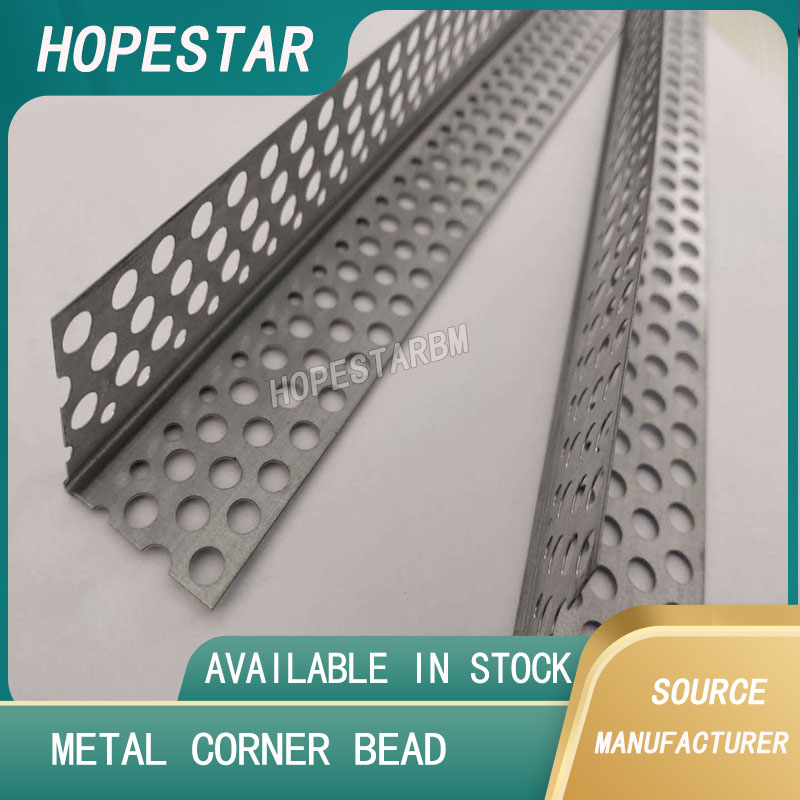
L shaped galvanized bead for ceiling wall transition
In the world of modern construction and interior finishing, precision and durability are non-negotiable. Among the many tools used to achieve sleek, long-lasting results, the L-shaped galvanized bead for ceiling-wall transitions stands out as a crucial yet often overlooked component. This simple metal profile not only improves the visual finish of interior spaces but also adds structural reinforcement to one of the most delicate areas in drywall or plasterboard systems—the joint between ceilings and walls.
Whether you're a professional contractor, interior designer, or DIY enthusiast, using an L-shaped galvanized bead ensures clean lines, impact resistance, and resistance to corrosion. Let’s explore what makes this building material so important for your projects.
What Is an L-Shaped Galvanized Bead?
An L-shaped galvanized bead is a metal trim designed in a right-angle (90°) shape, typically used where the ceiling meets the wall. Made from galvanized steel, it’s coated with a layer of zinc to prevent rust and degradation over time. These beads serve both aesthetic and functional purposes by reinforcing edges and creating straight, crack-free transitions between different surfaces.
The “L” profile provides coverage on both the wall and ceiling sides, acting as a protective guard while also allowing for easy application of finishing materials like joint compound or plaster. It can be installed in both drywall and plaster systems, offering a neat and professional look.
Why Use Galvanized Steel for Ceiling-Wall Transitions?
The junction where the ceiling meets the wall is often exposed to movement caused by thermal expansion, structural settling, or humidity changes. Without proper protection, cracks, chips, and visible defects can develop over time. Here’s why galvanized steel is the best material for the job:
-
Corrosion Resistance: The zinc coating protects the steel from rust, even in humid environments like bathrooms, basements, or kitchens.
-
Impact Protection: Galvanized steel provides a sturdy barrier that resists dents, scratches, and general wear and tear.
-
Precision and Clean Lines: The rigid structure of the L-bead ensures perfectly straight edges, giving ceilings and walls a sharp, professional appearance.
-
Longevity: Unlike plastic or paper beads, galvanized steel won't warp, split, or deteriorate over time, ensuring a long-lasting finish.
-
Paint Compatibility: Once primed and finished, galvanized beads blend seamlessly with surrounding surfaces.
Key Applications of L-Shaped Galvanized Beads
The L-shaped galvanized bead is widely used in both residential and commercial construction projects. Its primary function is to form a sharp transition between ceilings and walls, but its versatility allows it to be applied in various ways:
-
Ceiling-wall transitions in drywall installations
-
Plasterboard finishing in commercial interiors
-
Cove ceiling details and stepped ceiling designs
-
Bulkhead edges or soffits
-
Wall panel terminations and reveals
-
Window or door returns with sharp corners
Whether you're building a suspended ceiling or framing drywall partitions, this profile helps achieve that crisp, polished look clients expect.
Installation Tips
Installing an L-shaped galvanized bead is straightforward but must be done with care to get the best result. Follow these steps:
-
Measure and Cut: Use aviation snips or a metal cutting tool to trim the bead to the required length.
-
Dry Fit: Position the bead along the wall-ceiling transition to ensure it fits properly.
-
Secure in Place: Attach it using drywall screws, nails, or construction adhesive depending on the substrate.
-
Apply Joint Compound: Smooth joint compound over the exposed flange of the bead, blending it into the surrounding surfaces.
-
Sand and Finish: Once dry, sand the surface for a smooth finish and prepare it for priming and painting.
Flexible Galvanized Metal Bead for Ceiling Applications
Lightweight Aluminum Furring Channel
Related Article