
Introduction to Types of Light Steel Keels
2024-03-29
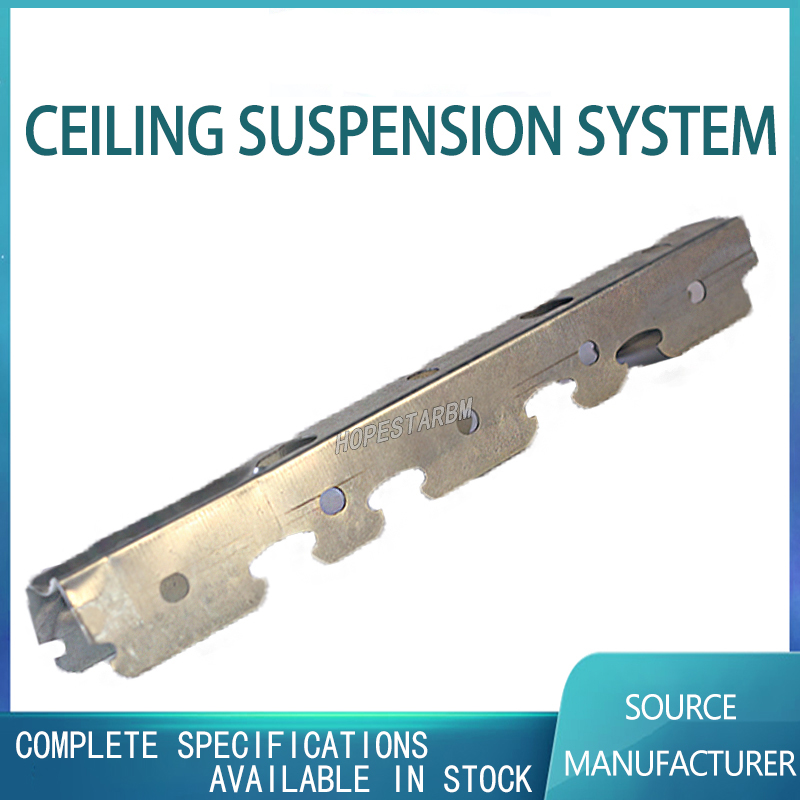
Introduction to Types of Light Steel Keels
Light steel keel, as a new type of building material, has been widely used in the construction industry in recent years. It has become the preferred material for many construction projects due to its unique advantages such as light weight, high strength, good fire resistance, and convenient construction. Next, we will provide a detailed introduction to the main types of light steel keel, as well as their respective characteristics and application scenarios.
Firstly, let's learn about the basic classification of light steel keel. According to the purpose and structural characteristics, light steel keel is mainly divided into three categories: ceiling keel, partition keel, and curtain wall keel.
Suspended ceiling keel is mainly used for supporting and fixing indoor ceilings. This type of keel usually adopts a C-shaped or U-shaped cross-section, which has good load-bearing capacity and stability. The ceiling keel is not only beautiful and elegant, but also easy to install, which can effectively improve the utilization rate of indoor space. At the same time, the ceiling keel also has good sound insulation and thermal insulation effects, providing strong support for creating a comfortable indoor environment.
Partition keel is mainly used for dividing indoor spaces. This type of keel usually adopts an H-shaped or L-shaped cross-section, which has high bending strength and stability. The partition keel can achieve flexible spatial layout and meet the needs of different functional areas. At the same time, the partition keel also has good fire and moisture resistance performance, providing strong protection for indoor safety.
Curtain wall keel is mainly used for supporting and fixing the exterior walls of buildings. This type of keel usually adopts a specially designed cross-sectional shape to meet the installation requirements of curtain wall materials. The curtain wall keel has good wind pressure resistance and seismic performance, which can effectively ensure the safety of the building. At the same time, the curtain wall keel also has good insulation and waterproof performance, providing strong support for the maintenance of building exterior walls.
In addition to the three basic types mentioned above, light steel keel can also be customized according to specific needs, such as special cross-sectional shapes, special surface treatments, etc. These customized light steel keels can better meet the needs of specific projects, improve project quality and efficiency.
In practical applications, the advantages of light steel keel are fully demonstrated. Firstly, light steel keel has the characteristics of lightweight and high strength, making transportation and installation during the construction process easy and convenient. Secondly, the fire resistance of light steel keel is superior, which can effectively delay the spread of fire and provide strong protection for building safety. In addition, the light steel keel also has good sound insulation and thermal insulation effects, which can effectively improve the indoor environmental quality. Finally, the service life of light steel keel is long, the maintenance cost is low, and it conforms to the green and environmentally friendly building concept.
In summary, light steel keel, as a new type of building material, has broad application prospects in the construction industry. By understanding the types and characteristics of light steel keel, we can better choose the type of keel that is suitable for engineering needs, improve engineering quality and efficiency. At the same time, with the continuous progress of technology and the continuous optimization of materials, it is believed that light steel keel will play a more important role in the future construction field.
Established in 2010, Puyang Metal Products Co., Ltd. in Wen'an County has a factory area of over 8000 square meters, mainly engaged in metal cold bending profiles, profiles, metal materials, punching edges and corners, keel accessories, and supporting indoor decoration materials. The company can customize production according to customer drawings and provide customized services to customers. The company has established preliminary negotiations with the Middle East, Southeast Asia, Africa, South America and other regions, adhering to the spirit of quality first, service first, and continuous improvement to win customer recognition.
Light steel keel, as a new type of building material, has been widely used in the construction industry in recent years. It has become the preferred material for many construction projects due to its unique advantages such as light weight, high strength, good fire resistance, and convenient construction. Next, we will provide a detailed introduction to the main types of light steel keel, as well as their respective characteristics and application scenarios.
Firstly, let's learn about the basic classification of light steel keel. According to the purpose and structural characteristics, light steel keel is mainly divided into three categories: ceiling keel, partition keel, and curtain wall keel.
Suspended ceiling keel is mainly used for supporting and fixing indoor ceilings. This type of keel usually adopts a C-shaped or U-shaped cross-section, which has good load-bearing capacity and stability. The ceiling keel is not only beautiful and elegant, but also easy to install, which can effectively improve the utilization rate of indoor space. At the same time, the ceiling keel also has good sound insulation and thermal insulation effects, providing strong support for creating a comfortable indoor environment.
Partition keel is mainly used for dividing indoor spaces. This type of keel usually adopts an H-shaped or L-shaped cross-section, which has high bending strength and stability. The partition keel can achieve flexible spatial layout and meet the needs of different functional areas. At the same time, the partition keel also has good fire and moisture resistance performance, providing strong protection for indoor safety.
Curtain wall keel is mainly used for supporting and fixing the exterior walls of buildings. This type of keel usually adopts a specially designed cross-sectional shape to meet the installation requirements of curtain wall materials. The curtain wall keel has good wind pressure resistance and seismic performance, which can effectively ensure the safety of the building. At the same time, the curtain wall keel also has good insulation and waterproof performance, providing strong support for the maintenance of building exterior walls.
In addition to the three basic types mentioned above, light steel keel can also be customized according to specific needs, such as special cross-sectional shapes, special surface treatments, etc. These customized light steel keels can better meet the needs of specific projects, improve project quality and efficiency.
In practical applications, the advantages of light steel keel are fully demonstrated. Firstly, light steel keel has the characteristics of lightweight and high strength, making transportation and installation during the construction process easy and convenient. Secondly, the fire resistance of light steel keel is superior, which can effectively delay the spread of fire and provide strong protection for building safety. In addition, the light steel keel also has good sound insulation and thermal insulation effects, which can effectively improve the indoor environmental quality. Finally, the service life of light steel keel is long, the maintenance cost is low, and it conforms to the green and environmentally friendly building concept.
In summary, light steel keel, as a new type of building material, has broad application prospects in the construction industry. By understanding the types and characteristics of light steel keel, we can better choose the type of keel that is suitable for engineering needs, improve engineering quality and efficiency. At the same time, with the continuous progress of technology and the continuous optimization of materials, it is believed that light steel keel will play a more important role in the future construction field.
Established in 2010, Puyang Metal Products Co., Ltd. in Wen'an County has a factory area of over 8000 square meters, mainly engaged in metal cold bending profiles, profiles, metal materials, punching edges and corners, keel accessories, and supporting indoor decoration materials. The company can customize production according to customer drawings and provide customized services to customers. The company has established preliminary negotiations with the Middle East, Southeast Asia, Africa, South America and other regions, adhering to the spirit of quality first, service first, and continuous improvement to win customer recognition.
How much does the light steel keel ceiling usually cost
Advantages of Australian light steel keel
Related Article

Ceiling wall angle, also known as perimeter angle or L-angle, is an indispensable L-shaped metal profile for suspended drywall ceiling systems. Roll-formed from cold-rolled galvanized steel, ceiling wall angle is fixed along the wall perimeter to support the ends of main channels and furring channels,
Ceiling Wall Angle – Galvanized L-Shaped Perimeter Trim for Suspended Drywall Ceilings
Galvanized steel profiles are the foundational metal framing components widely used in modern interior construction. Roll-formed from cold-rolled steel coated with protective zinc layer, galvanized steel profiles cover a full range of shapes including C studs, U tracks, omega channels,
Galvanized Steel Profiles – Reliable Cold Rolled Framing for Drywall Walls and Ceilings

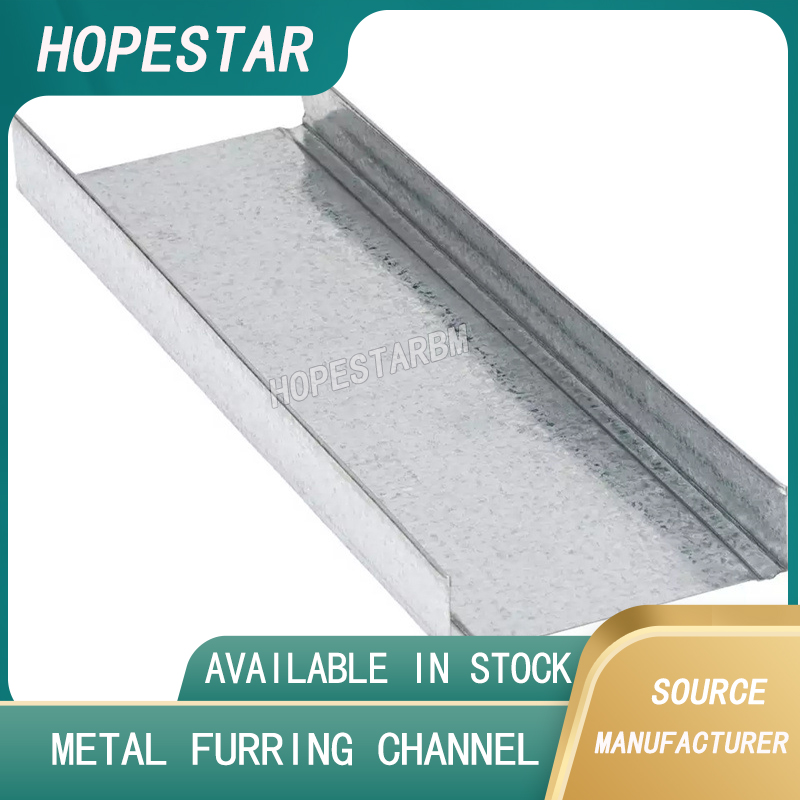
Metal furring channel for ceiling is a vital secondary framing component widely used in suspended ceiling and drywall ceiling systems. Roll-formed from cold-rolled galvanized steel, this lightweight metal profile works together with main channels, hangers and wall angles to create a level,
Metal Furring Channel for Ceiling – Galvanized Secondary Framing for Suspended Drywall Ceilings

Metal omega channel, also widely called omega furring channel or hat channel, is an indispensable secondary metal framing profile for modern suspended ceilings and drywall wall furring systems. Named after its distinctive Ω shape, this profile is roll-formed from cold-rolled galvanized steel
Metal Omega Channel – Galvanized Omega Furring Channel for Drywall Ceiling and Wall Framing